
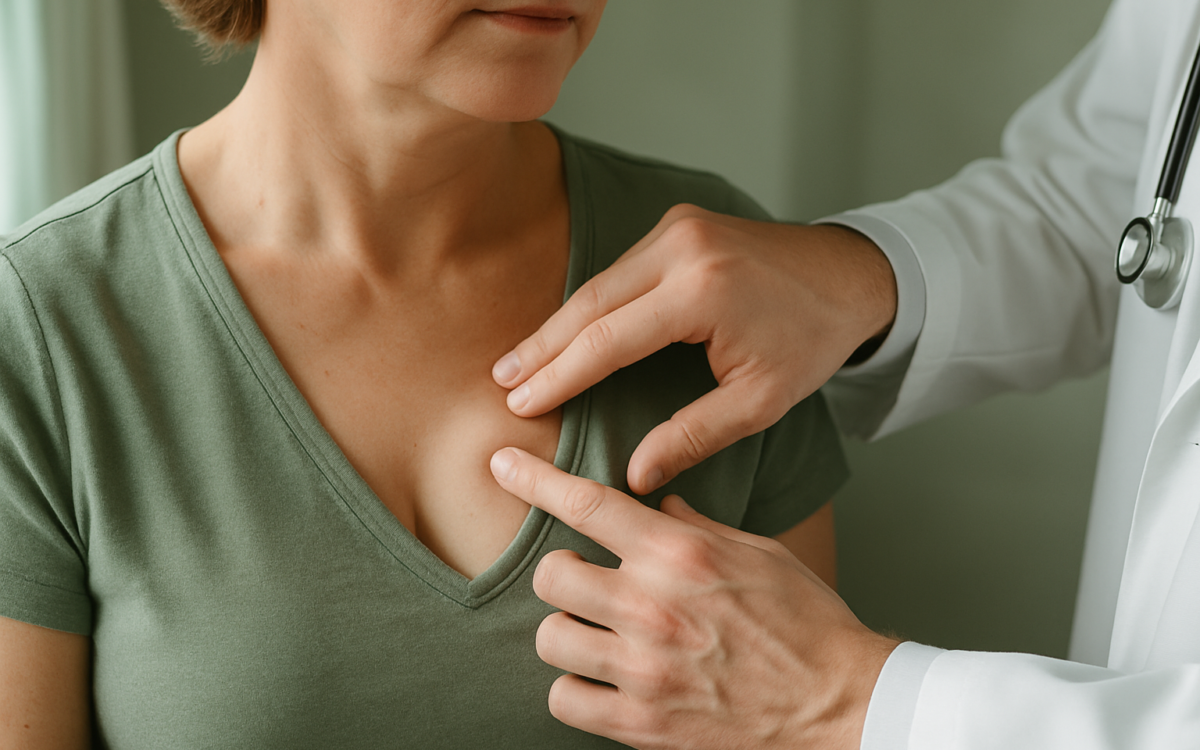
Facing the possibility of cancer can be unsettling. Yet, understanding how to check up for cancer can empower you to take charge of your health. Early detection is crucial; it can lead to more effective treatment and better outcomes. Regular check-ups and being vigilant about changes in your body can greatly reduce your risk.
Understanding Cancer Screening
Cancer screening involves tests or exams performed to detect cancer before symptoms develop. The goal is to find cancer early when it’s often easier to treat. Various screening methods are available, and the right ones for you may depend on your age, gender, family history, and risk factors.
Common Types of Cancer Screenings
-
Mammograms
For breast cancer, mammograms are recommended for women starting at age 40 or 50, depending on guidelines by organizations like the CDC. This X-ray can detect tumors long before they can be felt.
-
Colonoscopies
Colon cancer screening through colonoscopy is usually suggested beginning at age 45. This procedure allows doctors to find abnormalities in the colon or rectum.
-
Pap Smears
Women should start getting Pap smears at age 21 to check for cervical cancer. These tests are typically combined with HPV testing.
-
Prostate Exams
Men should discuss prostate cancer screenings with their healthcare provider, especially those over 50 or with a family history of this type of cancer.
-
Skin Checks
A self-exam for skin cancer is essential. Look for new moles or changes in existing moles. Dermatologists can also perform professional skin exams.
Self-Examinations
Self-exams can be valuable tools for early detection of certain cancers. While they shouldn’t replace professional screening, they can help you become more aware of your body and notice any unusual changes.
How to Perform a Breast Self-Exam
To perform a breast self-exam, look for any changes in size, shape, or color. Feel for lumps in a circular motion using the pads of your fingers. This should be done monthly, ideally a few days after your period ends or on a specific day each month if you don’t have one.
Testicular Self-Exam
For males, a testicular self-exam is essential. Check for any lumps, swelling, or changes in size. It’s recommended to do this monthly, ideally after a shower when the skin is relaxed.
Recognizing Early Signs and Symptoms
Being aware of possible cancer signs is just as important as regular screenings.
Some common symptoms to watch for include:
- Unexplained weight loss
- Persistent fatigue
- Changes in bowel or bladder habits
- Persistent or unexplained cough
- Changes in skin appearance or moles
If you notice any ongoing changes or unusual symptoms, it’s important to consult with your healthcare provider, as they can provide guidance and potentially recommend testing.
Your Healthcare Team’s Role
Your healthcare provider plays a vital role in your cancer check-up journey. They can help determine the right screening schedule based on your personal and family medical history. Open and honest communication is key; don’t hesitate to share any health concerns or symptoms you observe. Your provider may also refer you to specialists if needed or suggest lifestyle changes that may help reduce cancer risk.
Staying Informed
Staying up to date with the latest cancer research and screening recommendations can also be beneficial. Reputable sources such as the National Cancer Institute and the World Health Organization offer valuable information on prevention and early detection.
When to See a Doctor
Consult your doctor if you notice any troubling symptoms or have concerns about your risk for cancer. It’s also important to keep regular health check-ups and screenings in mind as part of your preventive healthcare routine.
While it may feel daunting, staying proactive about your health with regular cancer check-ups can significantly impact your well-being. Make it a priority to engage in open dialogue with your healthcare provider, stay aware of your body, and don’t delay checking in when things feel off.
