
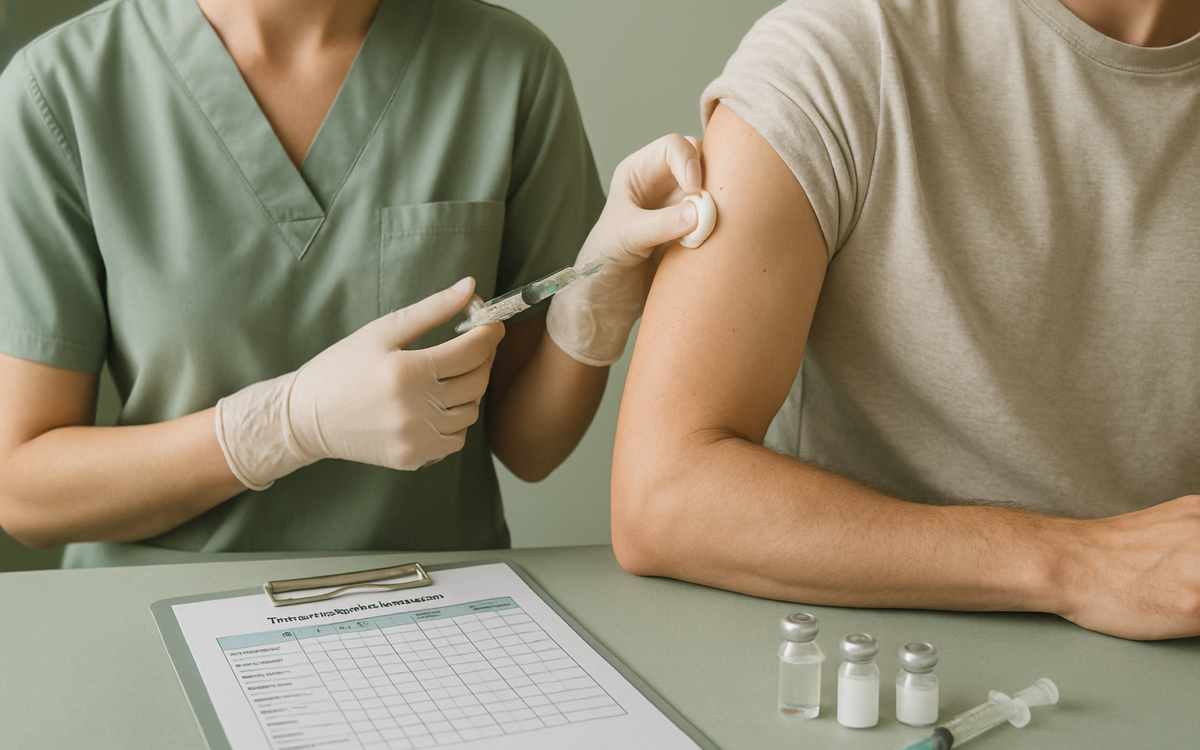
Vaccinations are not just for children! As adults, maintaining the right vaccination schedule is essential for staying healthy and protected against certain diseases. Whether you’re keeping up with routine immunizations or getting vaccinated for the first time as an adult, understanding which vaccines you need is vital.
Why Vaccinations Matter for Adults
Vaccinations help protect not only your health but also the health of those around you. Many vaccine-preventable diseases can be severe, and some can cause long-term health issues. The Centers for Disease Control and Prevention (CDC) states that vaccines help prevent outbreaks and can save lives. Keeping your vaccinations up to date minimizes the risk of getting or spreading diseases such as influenza, pneumonia, and hepatitis.
Essential Vaccines for Adults
The vaccination schedule for adults varies based on factors such as age, health conditions, and lifestyle. Here’s a breakdown of some essential vaccines recommended for adult populations:
1. Influenza Vaccine
Every adult should get a flu shot annually. The flu can cause serious illness, and the vaccine has been shown to reduce the risk of infection and severe complications. The CDC recommends getting vaccinated before flu season begins, typically in the fall.
2. Tetanus, Diphtheria, and Pertussis (Tdap) Vaccine
The Tdap vaccine protects against tetanus, diphtheria, and whooping cough. Adults should receive a Tdap booster every ten years, particularly if they are around infants, who are more susceptible to whooping cough. Additionally, anyone who has not had a Tdap booster in adulthood should get one.
3. Shingles Vaccine
Adults aged 50 and older should receive the shingles vaccine, which helps prevent this painful condition caused by the reactivation of the chickenpox virus. There are two vaccines available, and individuals should consult their healthcare provider regarding the best option for them.
4. Pneumococcal Vaccine
Adults aged 65 and older should get the pneumococcal vaccine to protect against pneumonia and other serious infections. Additionally, younger adults with certain health conditions may need this vaccine. Your healthcare provider can help determine your need based on your health history.
5. Hepatitis B Vaccine
The hepatitis B vaccine is critical for adults who are at risk of exposure to the virus. This includes anyone with multiple sexual partners, individuals who inject drugs, or healthcare workers exposed to blood. Completing the vaccination series is essential for full protection.
6. Human Papillomavirus (HPV) Vaccine
Although the HPV vaccine is typically given to teenagers, adults up to age 45 can benefit from it as well. HPV is linked to several types of cancer, and vaccination can significantly reduce the risk of infection and related cancers.
Factors Influencing Your Vaccination Schedule
Your individual vaccination schedule may vary based on several factors:
- Age: Recommendations differ for younger and older adults.
- Health Conditions: Chronic conditions may require specific vaccines.
- Lifestyle: Your job, travel habits, and social interactions can influence your vaccination needs.
Special Considerations for Travelers
If you plan to travel internationally, certain vaccines may be required or recommended based on your destination. Common vaccines that travelers should consider include:
- Typhoid – Recommended for travel to certain parts of Asia and Africa.
- Yellow Fever – Required for entry to some countries.
- Hepatitis A – Recommended for travelers going to regions with poor sanitation.
Consulting with a healthcare provider or visiting a travel clinic can help you determine which vaccines are necessary for your trip. The CDC provides updated information on recommended vaccines for travelers.
When to See a Doctor
If you’re unsure about your vaccination status or have specific health concerns, it’s always best to consult with a healthcare professional. They can help guide you on which vaccines are essential based on your health history, age, and lifestyle. Regular check-ups can ensure you’re up to date with your vaccinations.
Conclusion
Staying informed about your vaccination schedule is a crucial aspect of maintaining your health as an adult. By ensuring you receive the necessary vaccines, you not only protect yourself but also contribute to the overall health of your community. Keep in mind that health recommendations may change, so staying updated and consulting with healthcare professionals is always the best practice. For more information on adult vaccinations, you can visit reputable sources like the CDC, WHO, and Mayo Clinic.
