
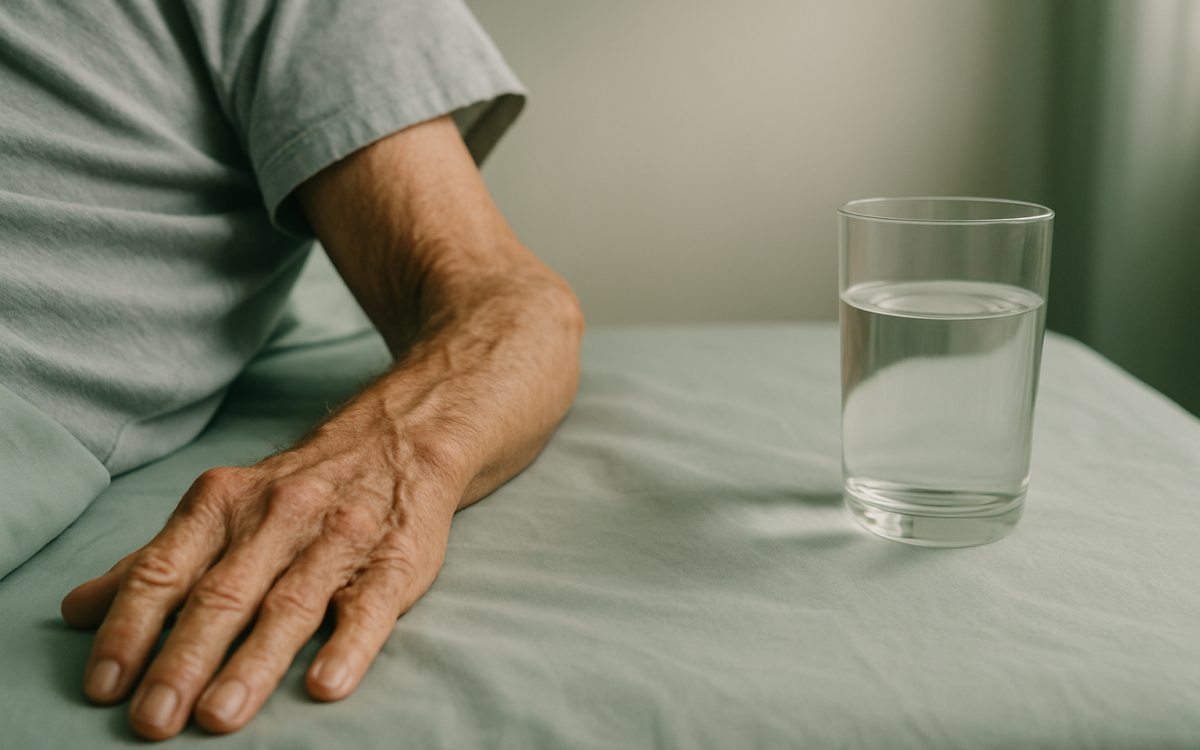
Water is essential for life. Our bodies are made up of about 60% water, highlighting its crucial role in maintaining our health. Yet, have you ever wondered how long a person can survive without water? The answer might surprise you. In this article, we will explore the factors that affect our ability to live without water, the signs of dehydration, and the importance of staying hydrated.
The Basics of Hydration
Our bodies rely on water for countless functions. This vital fluid helps with digestion, nutrient absorption, temperature regulation, and waste removal. Even mild dehydration can lead to fatigue, headaches, and decreased concentration.
How Long Can We Survive Without Water?
The duration for which a person can survive without water varies from individual to individual and depends on several factors. On average, an adult can last about three days without water, but there are situations where survival can be shorter or longer.
Factors Influencing Survival Time
- Physical Condition: A healthy adult might last longer than someone with health issues.
- Environment: Hot or dry conditions can accelerate dehydration.
- Activity Level: More active individuals will dehydrate faster than those at rest.
- Food Intake: Eating foods with high water content can extend survival time.
Signs of Dehydration
Recognizing the signs of dehydration early is crucial to prevent severe health issues. Common symptoms include:
- Thirst and dry mouth
- Dark yellow urine
- Fatigue and dizziness
- Headaches
- Confusion or irritability
If you experience any of these symptoms, it’s a signal that your body needs water immediately.
The Global Perspective on Water Needs
Access to clean drinking water is a pressing global issue. In many parts of the world, people face challenges in obtaining sufficient water for their daily needs. Studies show that inadequate water supply can lead to detrimental health effects, including increased rates of illness and decreased life expectancy.
Organizations such as the World Health Organization are working tirelessly to address water scarcity and promote safe water access. Facilities like Acibadem International also provide insights into international treatment options for dehydration-related health issues, emphasizing the importance of water in overall health.
Hydration Tips for Everyday Life
Staying adequately hydrated is essential for maintaining good health. Here are some useful tips:
- Drink Water Regularly: Aim for at least 8 glasses of water each day.
- Carry a Water Bottle: Have a reusable bottle on hand to encourage frequent sipping.
- Include Water-Rich Foods: Fruits and vegetables like watermelon, cucumbers, and oranges can help keep you hydrated.
- Limit Caffeine and Alcohol: These can lead to increased fluid loss.
Staying Hydrated During Physical Activity
For athletes and those who exercise regularly, hydration becomes even more critical. It’s essential to drink water before, during, and after physical activity. Consuming electrolyte-rich beverages can also help replenish lost fluids and minerals during intense exercise.
Pay attention to your body; if you feel thirsty or notice signs of dehydration, take a break and hydrate. Monitoring your fluid intake can help ensure you stay in top condition.
When to See a Doctor
If you or someone else is experiencing severe signs of dehydration, such as confusion, extreme thirst, or lack of urination, it’s important to seek medical attention promptly. Medical professionals can provide the necessary interventions to restore hydration levels safely.
Conclusion
Understanding how long the human body can survive without water is crucial for promoting better health and well-being. While three days is a general rule, various factors can affect this timeframe. By recognizing the importance of hydration and understanding the signs of dehydration, you can take proactive measures to ensure you and your loved ones stay healthy.
