
Missing teeth can significantly impact your smile, confidence, and even your health. Fortunately, advances in dentistry have introduced solutions like teeth implants, which offer a pathway for restoring your mouth’s function and aesthetics. In this article, we’ll explore what teeth implants are, how they work, their benefits, and what you can expect during the process.
What Are Teeth Implants?
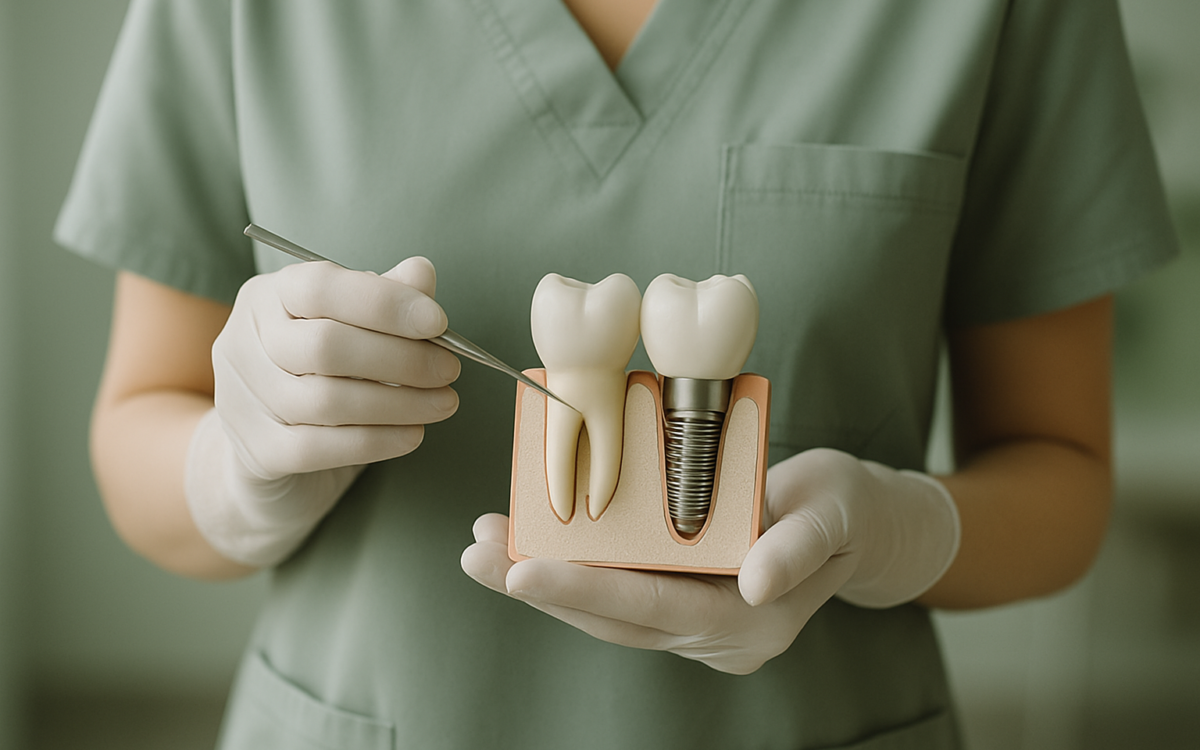
Teeth implants, or dental implants, are artificial tooth roots made of titanium or other materials that are surgically placed into the jawbone. Over time, the bone integrates with the implant in a process called osseointegration, where the implant becomes a stable foundation for permanent replacement teeth.
Why Choose Teeth Implants?
Teeth implants have become a popular option for tooth replacement for several reasons:
- Natural Look and Feel: Implants are designed to resemble natural teeth, meaning no one will know you have them.
- Durability: With proper care, implants can last a lifetime, making them a cost-effective solution in the long term.
- Improved Functionality: Unlike dentures, implants function like natural teeth, allowing for easier chewing and speaking.
- Bone Health: Implants help to preserve jawbone density and structure by stimulating the bone, preventing deterioration that can occur with missing teeth.
The Teeth Implant Process
The process of getting teeth implants involves several steps, which may span several months:
Initial Consultation
Your journey begins with a consultation where a dentist evaluates your oral health, takes imaging tests, and discusses your goals. This assessment is crucial for determining the suitability of implants.
Surgical Procedure
During the surgical procedure, the dentist will place the titanium implants into your jawbone. This is usually done under local anesthesia, though sedation options may be available as well.
Healing and Integration
After the surgery, a healing period is necessary, typically lasting a few months. During this time, the jawbone will integrate with the implant, providing a sturdy foundation.
Placing the Crown
Once healing is complete, a crown (the artificial tooth) is attached to the implant. The crown is custom-made to match your natural teeth, helping to create a seamless smile.
Care and Maintenance of Teeth Implants
<pCaring for teeth implants is essential to ensure their longevity. Here are some tips to maintain your new smile:
- Oral Hygiene: Brush twice daily and floss regularly to keep the implant area clean and free of plaque.
- Regular Check-ups: Schedule routine dental check-ups to monitor the health of your implants and surrounding gum tissue.
- Avoid Hard Foods: Be cautious with very hard foods that could damage the crown or the implant itself.
Common Myths About Teeth Implants
There are many myths surrounding teeth implants that can create confusion.
Myth 1: Implants are Painful
Many people fear that the implant procedure will be painful. However, local anesthesia and sedation methods help minimize discomfort during and after the surgery.
Myth 2: Implants Are Only for Older Adults
Teeth implants can be suitable for anyone who has lost a tooth, regardless of age, as long as they have adequate bone density.
Myth 3: Implants Require Special Care
While caring for implants is crucial, the maintenance routine is similar to that of natural teeth. Good oral hygiene is generally enough.
When to See a Doctor
If you have missing teeth and are considering implants, or if you are experiencing discomfort with existing dental work, it is essential to consult your dentist. They can provide guidance on whether you are a suitable candidate for implants and discuss alternative options if needed.
Conclusion
Teeth implants can significantly enhance your quality of life by restoring your smile and oral function. Understanding the process, benefits, and maintenance involved helps you make informed decisions about your dental health. If you’re considering teeth implants, speak with your dentist to discuss your options.
For more information about dental health, visit the Mayo Clinic or the National Institutes of Health.
