
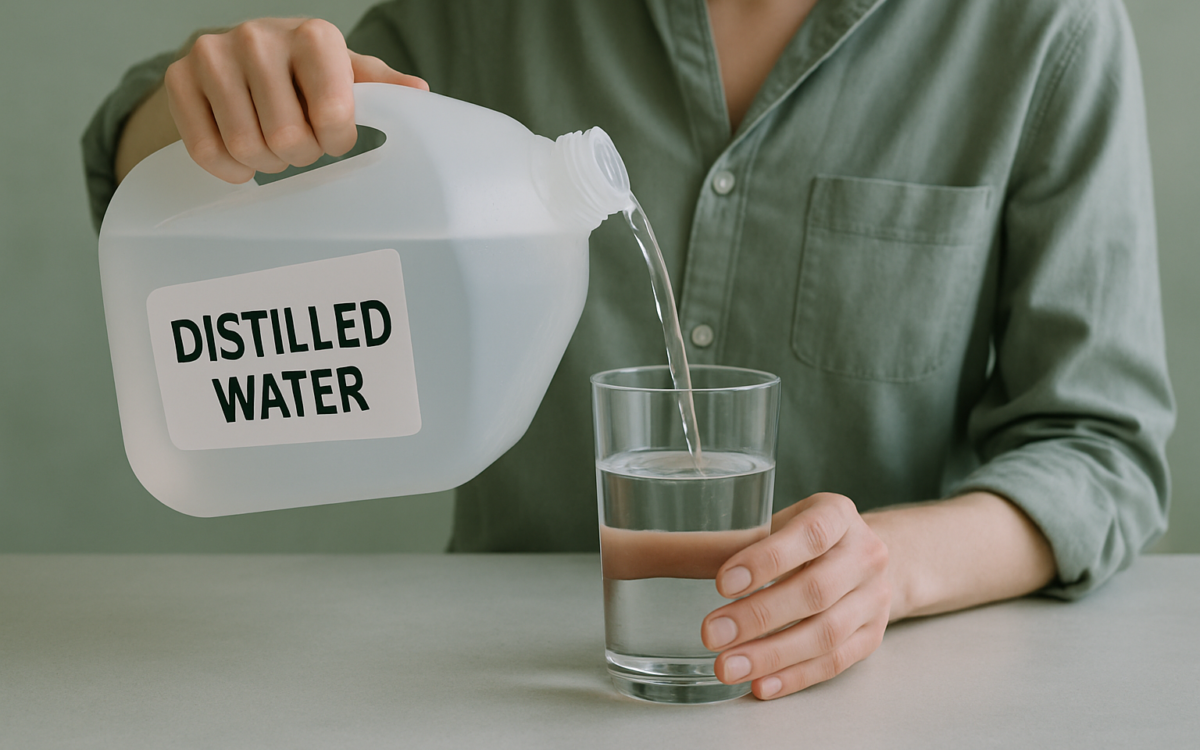
Water is essential for our health, and we often hear about different types available for consumption. One type that has drawn curiosity is distilled water. But what is distilled water, and can you drink it? This article will unravel the mysteries of distilled water, explaining its benefits, risks, and what you need to know before adding it to your daily routine.
What Is Distilled Water?
Distilled water is purified water that has been significantly processed to remove impurities. The distillation process involves boiling water to create steam and then cooling that steam back into liquid form. This method effectively removes contaminants such as minerals, bacteria, and chemicals, resulting in very pure water.
The Benefits of Drinking Distilled Water
Many people wonder if there are benefits to drinking distilled water compared to regular tap or bottled water. Here are a few potential advantages:
- Purity: Because distilled water undergoes thorough purification, it lacks many contaminants found in other water sources. This can be beneficial for individuals with weakened immune systems.
- Hydration: Staying well-hydrated is crucial for health. Distilled water hydrates the body like any other clean water source.
- Cooking and beverages: Many chefs use distilled water in cooking or making beverages, as it doesn’t interfere with flavors or contain impurities.
Are There Any Risks to Drinking Distilled Water?
While distilled water can be a safe option, there are some considerations to keep in mind:
- Lack of minerals: Distillation removes beneficial minerals such as calcium and magnesium. While the body can obtain these minerals from food, relying solely on distilled water for hydration may not provide essential nutrients.
- Acidic nature: Distilled water can be slightly more acidic than regular water. This acidity can affect dental health, particularly if it is the primary source of hydration over time.
- Taste: Some people find the taste of distilled water to be flat or bland compared to mineral-rich tap or spring water.
Can You Drink Distilled Water Every Day?
In general, it is safe to consume distilled water, but moderation is key. Using distilled water occasionally for specific purposes, like in cooking or for those who are particularly health-conscious, can be beneficial. However, for everyday hydration, consider balancing it with other types of water that contain natural minerals. According to the National Institutes of Health, a variety of hydration sources can help ensure you receive a good mix of minerals.
Who Should Drink Distilled Water?
Certain groups might find distilled water particularly useful:
- People with certain medical conditions: Individuals with compromised immune systems or specific health issues may prefer distilled water for its purity.
- Patients requiring strict dietary control: Those who need to avoid specific minerals for health reasons might benefit from drinking distilled water.
- For use in machines: Distilled water is often used in humidifiers and steam irons, as it prevents mineral buildup.
Environmental Considerations
If you are concerned about environmental impact, be mindful of how distilled water is produced. The distillation process can require a significant amount of energy. Therefore, if you opt for distilled water, consider reducing consumption of single-use plastic bottles and seeking bulk options.
When to See a Doctor
If you have concerns about your hydration or the types of water you consume, or if you notice unusual symptoms after changing your water source, it’s a good idea to consult your doctor. They can provide personalized advice based on your health history.
In summary, distilled water can be a safe and effective option for hydration, but it’s important to consider its pros and cons. Balancing distilled water with other sources and being mindful of your overall health will help you stay hydrated and healthy.
