
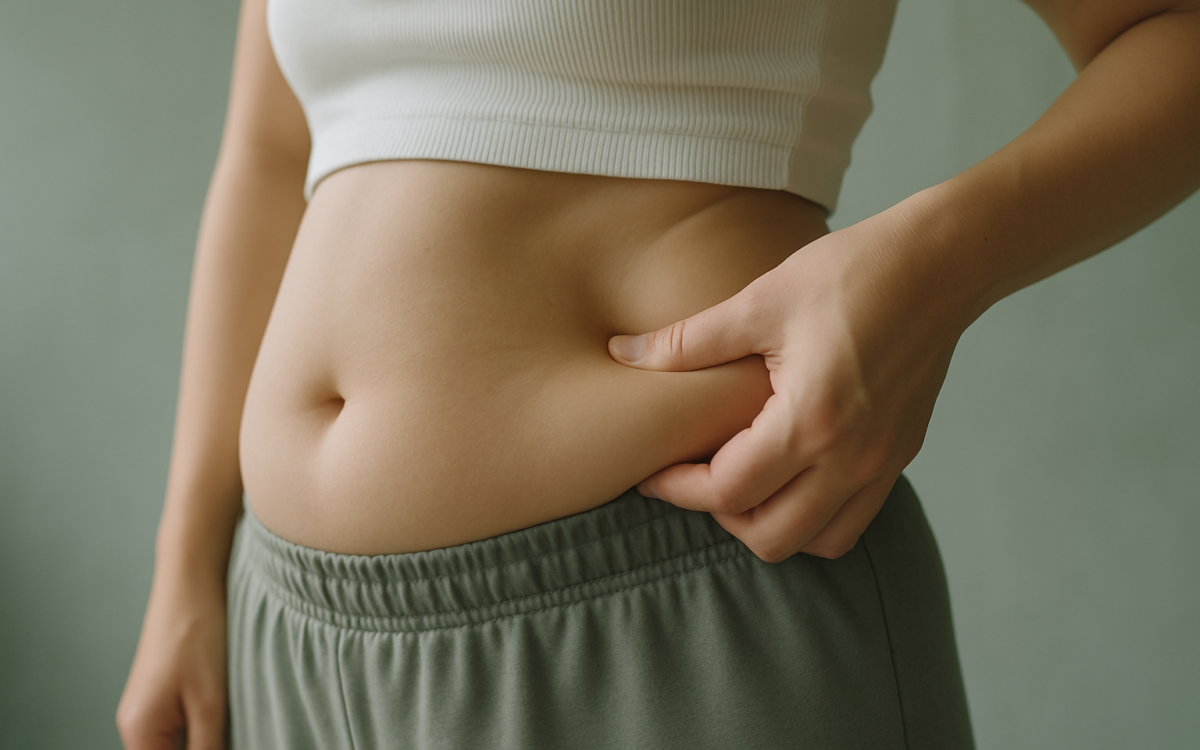
Many of us are familiar with the term “love handles.” It seems to pop up in conversations about fitness and body image, but what exactly are they? Love handles are the layers of fat that accumulate around the sides of the waist, creating a bulging appearance when viewed from the front or side. While the term might sound playful, love handles can affect self-esteem and are often a source of frustration for those trying to achieve a healthier body image.
What Causes Love Handles?
Understanding the underlying causes of love handles is the first step toward addressing them. Several factors contribute to the accumulation of excess fat around the waist:
- Genetics: Your genes play a significant role in where your body stores fat. Some people naturally store more fat in their midsection, including the area around the hips.
- Diet: Consuming high-calorie, low-nutrient foods can lead to weight gain. Fast food, sugary snacks, and processed foods can all contribute to love handles.
- Physical Inactivity: A sedentary lifestyle can result in weight gain and make it difficult to shed existing fat. Regular physical activity helps regulate metabolism and maintain a healthy weight.
- Hormonal Changes: Hormones, particularly in women during menopause, can affect how fat is distributed in the body. Stress-induced hormonal changes can also lead to fat accumulation.
- Aging: As we age, our metabolism slows down, and our physique can change. With less muscle mass, our bodies store fat more easily.
How to Reduce Love Handles
If you’re looking to reduce love handles, there are several lifestyle changes you can make. A combination of a healthy diet and regular exercise can be particularly effective.
1. Adjust Your Diet
A balanced diet can have a profound impact on your body composition:
- Increase Fruits and Vegetables: These foods are high in fiber and nutrients while being low in calories. Aim for a colorful variety to get a mix of vitamins and minerals.
- Cut Down on Sugars and Refined Carbs: Foods like candies, pastries, and white bread can contribute to weight gain. Instead, opt for whole grains and complex carbohydrates.
- Monitor Portion Sizes: Overeating, even healthy foods, can lead to weight gain. Using smaller plates and being mindful of serving sizes can help.
2. Incorporate Exercise
Regular physical activity is essential for losing love handles and improving overall health:
- Cardiovascular Exercise: Activities like running, swimming, and cycling help burn calories and reduce overall body fat. Aim for at least 150 minutes of moderate aerobic exercise per week.
- Strength Training: Building muscle increases your resting metabolic rate, which helps you burn more calories even when you’re not exercising. Incorporate strength training exercises at least twice a week.
- Core Exercises: While spot reduction isn’t effective, strengthening your core can help tone muscles in the area around your waist. Consider exercises like planks, side planks, and Russian twists.
3. Stay Hydrated
Drinking enough water is crucial for weight loss. Hydration can help curb cravings and keeps your metabolism functioning effectively. Aim for at least 8 glasses of water a day, and consider replacing sugary beverages with water.
4. Manage Stress
Chronic stress can lead to weight gain, particularly in the abdominal area. Incorporating stress management techniques into your daily routine can make a difference:
- Practice Mindfulness: Techniques such as meditation and yoga can help lower stress levels and promote a better mental state.
- Get Quality Sleep: Aim for 7-9 hours of sleep each night. Poor sleep can affect hormones that regulate hunger, leading to weight gain.
- Engage in Relaxing Activities: Hobbies, reading, or spending time with loved ones can help reduce stress and improve your overall well-being.
Maintaining a Healthy Body Image
It’s also essential to cultivate a positive body image, regardless of your size. Here are a few tips:
- Practice Self-Compassion: Everyone has insecurities. Be kind to yourself and recognize that your worth goes far beyond your physical appearance.
- Limit Social Media Exposure: Social media can often portray unrealistic body standards. Take breaks when necessary and follow accounts that promote body positivity.
- Focus on Fitness, Not Just Appearance: Shift your mindset to focus on how you feel and the strength and functionality of your body rather than solely on how it looks.
When to See a Doctor
If you have concerns about your weight or love handles that contribute to distress, a consultation with a healthcare provider can be worthwhile. They can help assess your overall health, provide support, and recommend personalized strategies.
Conclusion
Love handles are a common concern for many people, but understanding their causes and implementing effective strategies can help reduce them. By focusing on a nutritious diet, regular exercise, and good mental health practices, you can achieve a healthier body and greater overall well-being. Remember, consulting with a healthcare provider is always a great option if you’re unsure about where to start.
