
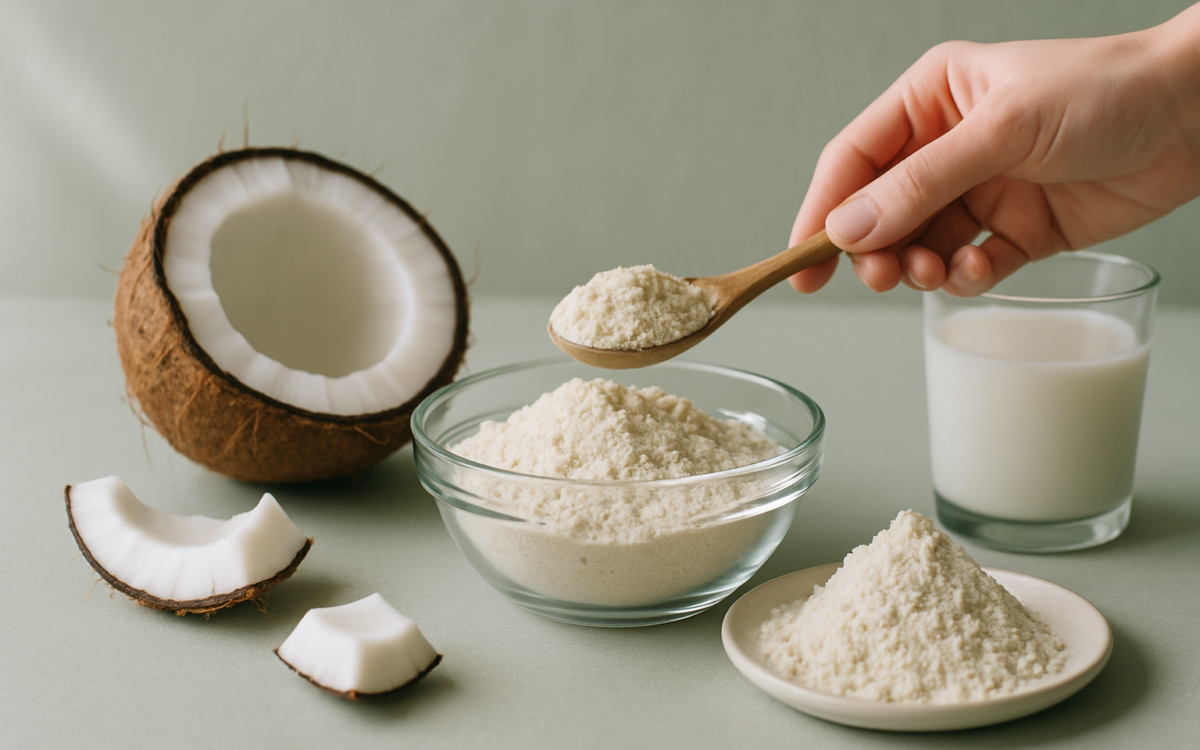
Coconut flour is gaining popularity in kitchens and health circles alike. This gluten-free alternative to regular flour is made from dried coconut meat and offers unique nutritional benefits that make it worth considering for your cooking and baking needs. Whether you’re following a gluten-free diet, seeking lower-carb options, or simply want to incorporate more unique ingredients into your meals, coconut flour can be a delightful addition.
What is Coconut Flour?
Coconut flour is created by drying and grinding the meat of mature coconuts. The result is a fine flour that has a light texture and a slightly sweet taste. Unlike traditional flours made from wheat, coconut flour is naturally gluten-free, making it suitable for individuals with gluten intolerance or celiac disease.
Coconut flour is also rich in dietary fiber, which can aid in digestion and contribute to a feeling of fullness. As interest in low-carb diets increases, coconut flour is often embraced as a healthier option for baking and cooking.
Nutritional Profile of Coconut Flour
Understanding the nutritional content of coconut flour can help you appreciate its potential benefits. Here’s a breakdown of what typically makes up a 1-ounce serving (about 28 grams) of coconut flour:
- Calories: ~120
- Protein: ~4 grams
- Fat: ~4 grams
- Carbohydrates: ~16 grams
- Dietary Fiber: ~10 grams
This impressive fiber content is significant, as dietary fiber is essential for maintaining a healthy digestive system and may help lower cholesterol levels. Additionally, coconut flour has a lower glycemic index compared to wheat flour, making it an attractive option for those monitoring their blood sugar levels (NIH).
Using Coconut Flour in Recipes
Coconut flour is highly absorbent, which means you’ll need to adjust recipes to get the best results. Here are some guidelines to follow when using coconut flour:
- Use about ¼ to ⅓ of the amount of coconut flour in place of regular flour. For example, if a recipe calls for 1 cup of all-purpose flour, you might use ¼ to ⅓ cup of coconut flour.
- Add extra liquid to your recipes since coconut flour absorbs more moisture. A good rule of thumb is to add an extra egg or increase your liquids by about 1-2 tablespoons.
- Be open to experimenting, as coconut flour can produce denser baked goods. It’s commonly used in pancakes, muffins, and bread.
Many people find that combining coconut flour with other gluten-free flours, such as almond flour, can yield better textures in baked goods.
Health Benefits of Coconut Flour
Incorporating coconut flour into your diet can offer several health benefits:
- Promotes Digestive Health: The high fiber content in coconut flour can help regulate bowel movements and prevent constipation.
- Supports Heart Health: Fiber can assist in lowering cholesterol levels, which is beneficial for heart health.
- May Aid in Weight Management: Foods high in fiber can contribute to a feeling of fullness, which may help in controlling hunger and preventing overeating.
In a study, fibers from coconuts have shown potential for reducing obesity and improving metabolic health (NIH). However, keep in mind that moderation is essential; too much of any flour can lead to excessive calorie intake.
Coconut Flour and Allergies
While coconut is not a common allergen, some individuals may have allergies or sensitivities. If you have a nut allergy, consult your healthcare provider before incorporating coconut flour into your diet. It’s always a good approach to test new ingredients slowly and observe how your body reacts.
If you experience any adverse effects such as gastrointestinal discomfort or allergic reactions after consuming coconut flour, discontinue use and consult a healthcare professional.
When to See a Doctor
If you have ongoing digestive issues, concerns about allergies, or significant changes in your health after incorporating coconut flour or any other new food into your diet, it’s important to consult a healthcare professional. They can help identify any underlying problems and provide personalized advice.
Conclusion
Coconut flour is more than just a trendy ingredient; it offers various nutritional benefits that can enhance your meals. Its unique properties make it suitable for gluten-free and low-carb diets, while its high fiber content promotes digestive health. Whether you’re baking muffins, pancakes, or bread, consider experimenting with coconut flour to give your recipes a nutritious twist. As always, remember that it’s essential to maintain a balanced diet and consult with your healthcare provider if you have any health concerns related to your diet.
