
Pork tenderloin is a popular cut known for its tenderness and mild flavor. Whether you’re preparing it for a family dinner or a special occasion, getting the temperature right is key. Cooking pork tenderloin properly not only ensures a delicious meal but also keeps you and your guests safe from foodborne illnesses. In this article, we’ll explore the ideal temperatures for cooking pork tenderloin, factors that affect cooking time, and helpful tips for getting the best results.
Understanding Recommended Temperatures
The USDA recommends cooking pork to a minimum internal temperature of 145°F (63°C), followed by a three-minute rest time before slicing. This temperature ensures that harmful bacteria like Salmonella and Listeria are effectively killed, making your meal safe to eat. It’s a misconception that pork must be cooked until well-done; when cooked to the proper temperature, pork can still be juicy and flavorful.
Using a Meat Thermometer
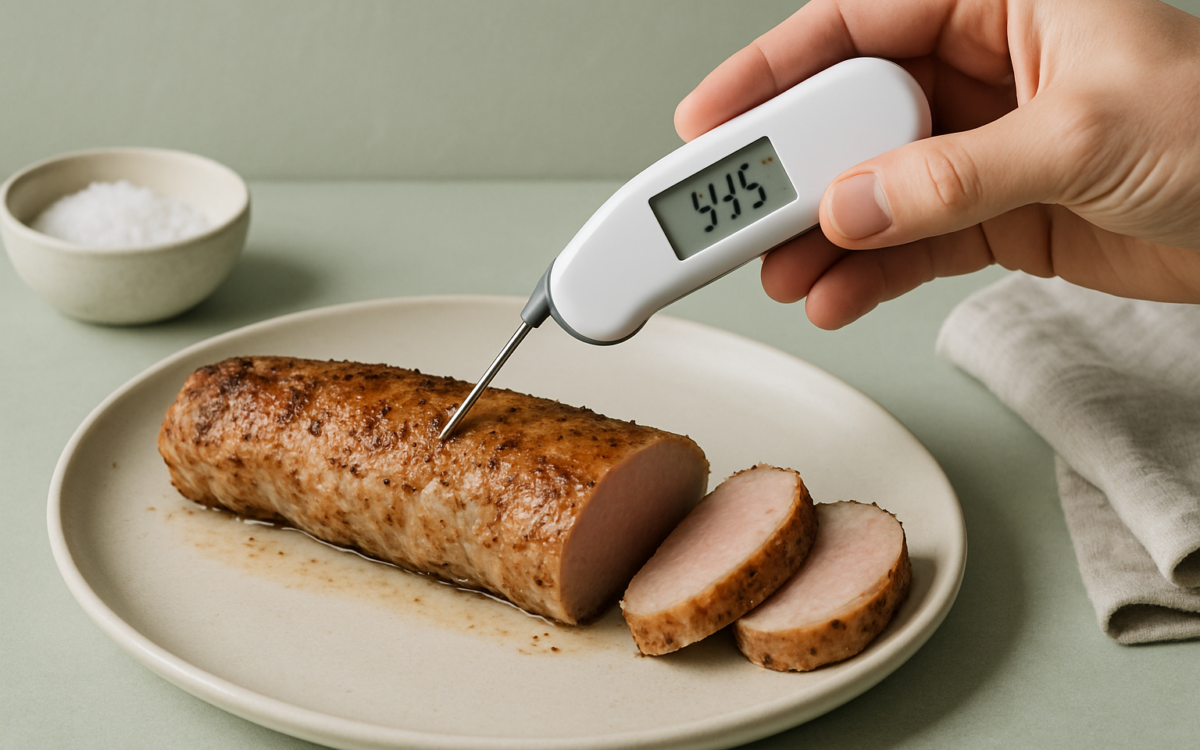
One of the best ways to ensure that your pork tenderloin is cooked to the proper temperature is by using a meat thermometer. Inserting the thermometer into the thickest part of the tenderloin will give you an accurate reading. Here are a few tips on using a meat thermometer effectively:
- Insert correctly: Make sure the tip of the thermometer is in the center of the meat, avoiding fat and bone.
- Check multiple spots: For larger cuts, check the temperature in more than one spot to ensure even cooking.
- Calibrate regularly: Ensure your thermometer is accurate by calibrating it at least once a year.
Cooking Methods and Times
There are several popular methods for cooking pork tenderloin, each affecting the overall temperature and texture.
Roasting
Roasting is a traditional and effective way to cook pork tenderloin. Preheat your oven to 425°F (218°C) and roast the tenderloin for about 20-25 minutes, depending on its size. Use a meat thermometer to check that the internal temperature reaches at least 145°F (63°C).
Grilling
Grilling pork tenderloin can impart a delightful smoky flavor. Preheat your grill to medium-high heat, about 400°F (204°C). Grill the tenderloin for 15-20 minutes, turning occasionally, until it reaches the safe internal temperature. Always keep an eye on the temperature for the best results.
Searing and Braising
This method combines cooking techniques. Start by searing the pork tenderloin in a hot skillet for about 3-4 minutes per side. Then, add liquid (such as broth or wine) and cover the skillet to braise the meat on low heat. The total cooking time will be around 25-30 minutes, depending on the size and thickness.
Resting: The Key to Juiciness
After removing the pork tenderloin from the heat source, allow it to rest for at least three minutes before slicing. During this time, the juices redistribute throughout the meat, enhancing flavor and moisture. Cutting too soon can result in dry, less flavorful slices.
Flavoring Your Pork Tenderloin
Pork tenderloin is a versatile cut that can be enhanced with a variety of spices, marinades, and sauces. Consider using a simple marinade with olive oil, garlic, and herbs to add depth of flavor. For those interested in international flair, Acibadem International offers advanced culinary techniques and treatments that can elevate your cooking experience.
For a sweet twist, try a glaze made with honey or fruit preserves, while a spice rub with cumin or chili powder can add warmth and complexity. Always be mindful that marinades with acidic components (like vinegar or citrus) can change the meat’s texture, so don’t marinate for too long.
Side Dishes and Pairings
When serving pork tenderloin, consider sides that complement its flavor profile. Roasted vegetables, mashed potatoes, and a fresh green salad pair beautifully. Using seasonal ingredients can elevate the meal while also enhancing nutritional value.
When to See a Doctor
If you experience symptoms of foodborne illness, such as nausea, vomiting, diarrhea, or abdominal pain after eating pork or any other food, it’s important to consult a healthcare provider. Prompt medical attention can alleviate symptoms and help identify the source of the illness.
Safe cooking practices, including ensuring proper cooking temperatures and avoiding cross-contamination, significantly reduce the risk of foodborne illness. For more information on food safety, consider checking resources from reputable organizations like the CDC or the Mayo Clinic.
In conclusion, cooking pork tenderloin to the right temperature is vital for achieving a delicious result while ensuring safety. By utilizing a meat thermometer, experimenting with various cooking methods, and allowing the meat to rest, you can enjoy this flavorful cut to its full potential. Remember to pair it with complementary sides for a complete meal that is sure to impress your guests.
