
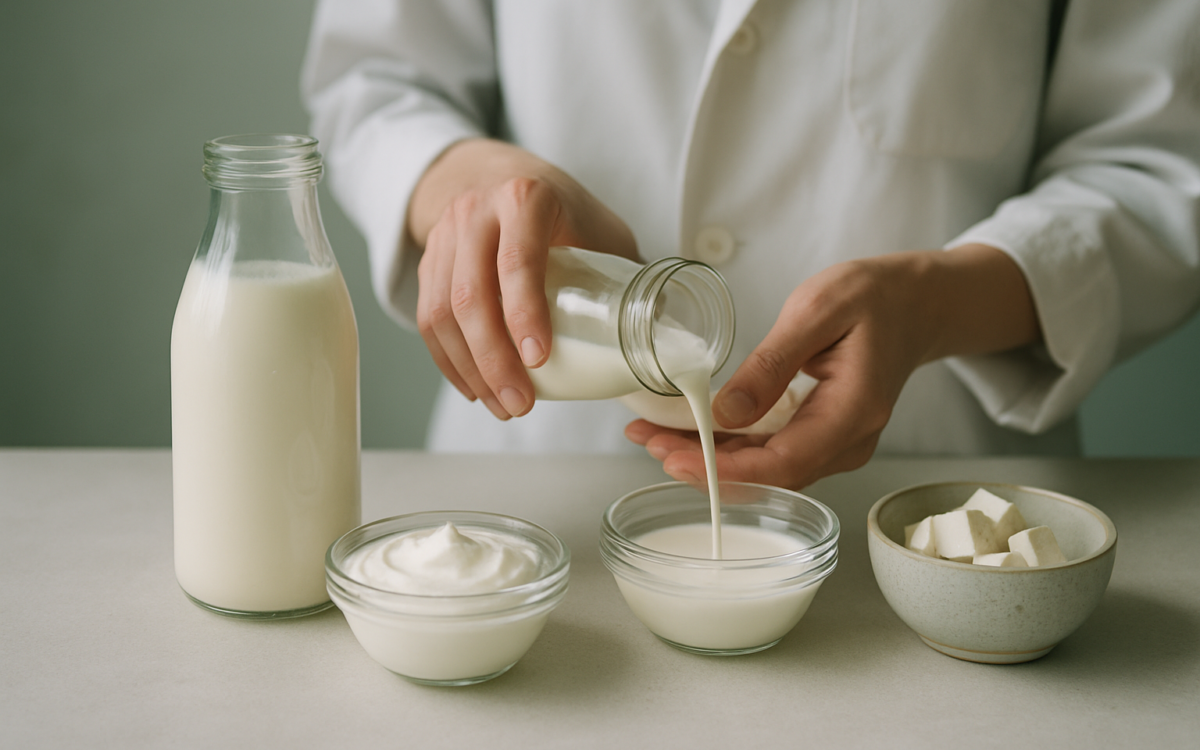
When you’re ready to whip up a creamy dish, but realize you’re out of heavy cream, don’t panic! There are plenty of heavy cream substitutes that can deliver similarly rich textures and flavors. Whether you’re cooking for dietary needs or simply want to use what you have on hand, knowing your options can open up a world of culinary possibilities. Let’s dive into the best substitutes and when to use them.
Understanding Heavy Cream
Heavy cream, also known as heavy whipping cream, contains 36% fat or more. This high fat content makes it ideal for whipping, adding richness to sauces, and lending creaminess to soups. However, not everyone has heavy cream on hand, or some might prefer lower-fat or dairy-free alternatives. Understanding the purpose of heavy cream in your dish can help you choose the right substitute.
Dairy-Based Heavy Cream Substitutes
If you’re looking for a heavy cream substitute but still want something dairy-based, there are several alternatives available:
- Half-and-half: This is a mixture of equal parts milk and cream, and can be used as a substitute in sauces and soups. It won’t whip up like heavy cream but can add creaminess to recipes.
- Whole milk with butter: To mimic the fat content of heavy cream, mix ¾ cup of whole milk with ¼ cup of melted butter. This works well in baked goods and savory dishes.
- Greek yogurt: For a tangy twist, Greek yogurt can be used in place of heavy cream. It’s great for adding thickness to dips and sauces. Just remember that it won’t whip up like cream.
Non-Dairy Alternatives for Heavy Cream
Whether you are lactose intolerant or simply prefer a plant-based diet, there are excellent non-dairy substitutes for heavy cream:
- Coconut cream: This is the thick part that separates from coconut milk. It’s rich and creamy, making it an excellent substitute in desserts and curries.
- Cashew cream: Blend soaked cashews with water until smooth for a creamy texture. This works beautifully in creamy soups and sauces.
- Silken tofu: When blended, silken tofu creates a smooth consistency that’s perfect for creamy dressings or soups, while also adding protein.
Substituting Heavy Cream in Recipes
When substituting heavy cream, it’s essential to consider what you’re making. Here are some tips for different types of dishes:
Soups and Sauces
For creamy soups, using half-and-half or a non-dairy alternative like coconut cream can work well. If you’re making a sauce, consider using Greek yogurt or a cashew cream, which can add thickness and flavor.
Baking
In desserts, you might want something that can whip, like coconut cream, for ice creams and mousses. For cakes and muffins, the whole milk and butter mixture is an easy kitchen hack.
International Recipes
Various cuisines often use heavy cream differently. For instance, in Indian cuisine, a cashew cream can serve as a rich base for many traditional dishes. If you’re exploring international treats or need to adapt recipes from cultures that use heavy cream extensively, you might find inspiration at acibademinternational.com, which showcases diverse culinary techniques.
Health Considerations
When choosing a substitute for heavy cream, especially if you have dietary restrictions or health concerns, consider the nutritional content. For instance, full-fat dairy might not be suitable for individuals watching their fat intake. Non-dairy options can offer lower fat and calorie counts but may still vary in nutrition. Always check labels for added sugars or preservatives if you’re choosing packaged substitutes.
Common Questions About Heavy Cream Substitutes
As you explore the world of heavy cream substitutes, you might have a few lingering questions:
Can I use evaporated milk instead of heavy cream?
Yes! Evaporated milk has less fat than heavy cream, but it can add creaminess to soups and sauces.
Will my dish taste the same with substitutes?
While the flavor might not be identical, many substitutes can closely replicate the creaminess and richness of heavy cream. Experimenting with different options can lead to delightful variations.
How do I store heavy cream substitutes?
Most substitutes can be stored in the same way you would store regular milk or cream, typically in the refrigerator. Make sure to follow the guidelines on the packaging for specific shelf life and storage practices.
When to See a Doctor
If you experience adverse reactions after consuming non-dairy alternatives, such as digestive discomfort or allergic reactions, consult a healthcare professional. Some substitutes may contain allergens or intolerances that could affect your health.
In conclusion, heavy cream substitutes can broaden your culinary horizons and meet your dietary needs without sacrificing texture or flavor. Armed with these options, you can confidently create a wide array of delicious dishes tailored to your preferences. Whether you choose a dairy alternative or a non-dairy option, you’ll find that cooking can still be just as creamy and satisfying.
