
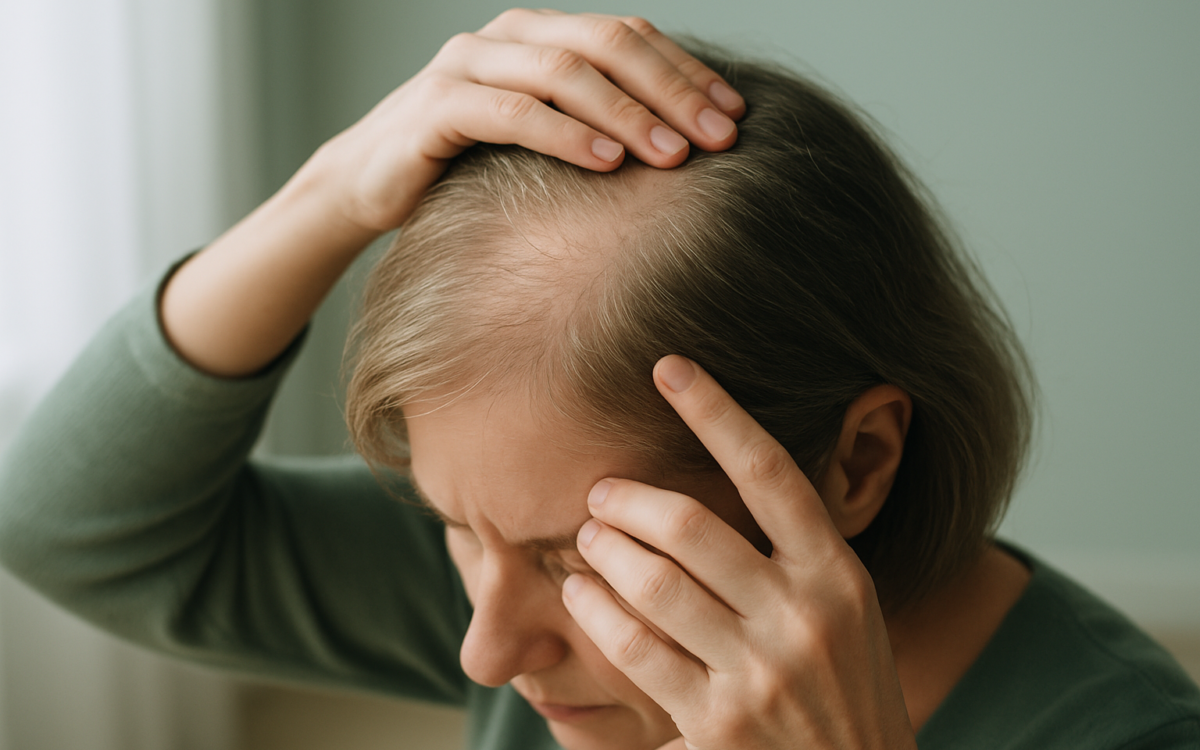
Hair loss can be a distressing experience for anyone. One of the most common forms of hair loss is alopecia, which encompasses various types of hair thinning. Whether it’s a gradual thinning or sudden bald patches, understanding alopecia is crucial for those affected. This article delves into the causes of hair thinning alopecia, its different forms, treatments, and coping strategies.
What is alopecia?
Alopecia is the medical term for hair loss. It can occur on the scalp or other parts of the body. There are several types of alopecia, with alopecia areata and androgenetic alopecia being the most prevalent. Each type has different triggers and experiences, making understanding the specific form essential for effective management.
Types of hair thinning alopecia
Alopecia areata
Alopecia areata is an autoimmune condition where the immune system mistakenly attacks hair follicles. This results in round patches of hair loss. In some cases, it can progress to complete hair loss on the scalp (alopecia totalis) or the entire body (alopecia universalis). The exact cause of alopecia areata is still unknown, but genetic factors and environmental triggers may play a role. According to the National Institutes of Health, this type of alopecia affects both men and women equally.
Androgenetic alopecia
Androgenetic alopecia, commonly referred to as male or female pattern baldness, is the most prevalent form of hair loss in both genders. It is usually hereditary and linked to hormonal changes, particularly testosterone. Men may experience receding hairlines and thinning at the crown, while women typically notice overall thinning, especially on the top of the scalp. The Mayo Clinic explains that this condition can be gradual and often begins in young adulthood.
Tinea capitis
Tinea capitis, or scalp ringworm, is a fungal infection that can lead to hair loss. It often appears as scaly patches on the scalp. This type of alopecia is more common in children and can be treated with antifungal medications. Left untreated, it can cause permanent hair loss.
Causes of hair thinning alopecia
The causes of hair thinning alopecia are diverse, and they can range from genetic factors to environmental influences. Below are some primary causes:
- Genetics: Family history can play a significant role, especially in cases of androgenetic alopecia.
- Hormonal changes: Hormonal fluctuations due to conditions like pregnancy, menopause, or endocrine disorders can impact hair health.
- Medical conditions: Diseases such as thyroid disorders and autoimmune conditions can contribute to hair thinning.
- Stress: Physical or emotional stress can trigger a type of hair loss known as telogen effluvium, leading to temporary shedding.
- Poor nutrition: A diet lacking in essential nutrients, particularly vitamins and minerals such as iron and vitamin D, can result in hair thinning.
Coping with hair thinning alopecia
Dealing with hair loss can be emotionally challenging. Here are some strategies to help manage the experience:
Embrace support
Talking about your feelings with friends or joining support groups can provide emotional relief. Sharing experiences with others dealing with similar issues can foster understanding and encouragement.
Consult a professional
Consulting with a healthcare provider or a dermatologist can provide clarity on the type of alopecia and available treatments. Treatment options may include topical medications, oral medications, or even surgical options, depending on the type of alopecia.
Hair care adjustments
Caring for thinning hair can make a difference. Opt for gentle hair care products, avoid excessive heat or harsh chemicals, and consider hairstyles that minimize tension on the hair to prevent further thinning.
Consider wigs or hairpieces
For those experiencing more significant hair loss, wigs or hairpieces can provide a confidence boost. Today’s options are versatile and can be styled to suit individual preferences.
When to see a doctor
If you notice sudden or patchy hair loss, it is essential to consult a healthcare professional. Conditions such as alopecia areata and other underlying health issues may require prompt attention. Seeking medical advice can help you understand the cause and explore treatment options.
Conclusion
Hair thinning alopecia can significantly influence one’s self-esteem and emotional well-being. Understanding the types, causes, and coping strategies is vital for managing this common condition. Whether the experience is temporary or chronic, support and information can make a meaningful difference in coping with hair loss.
