
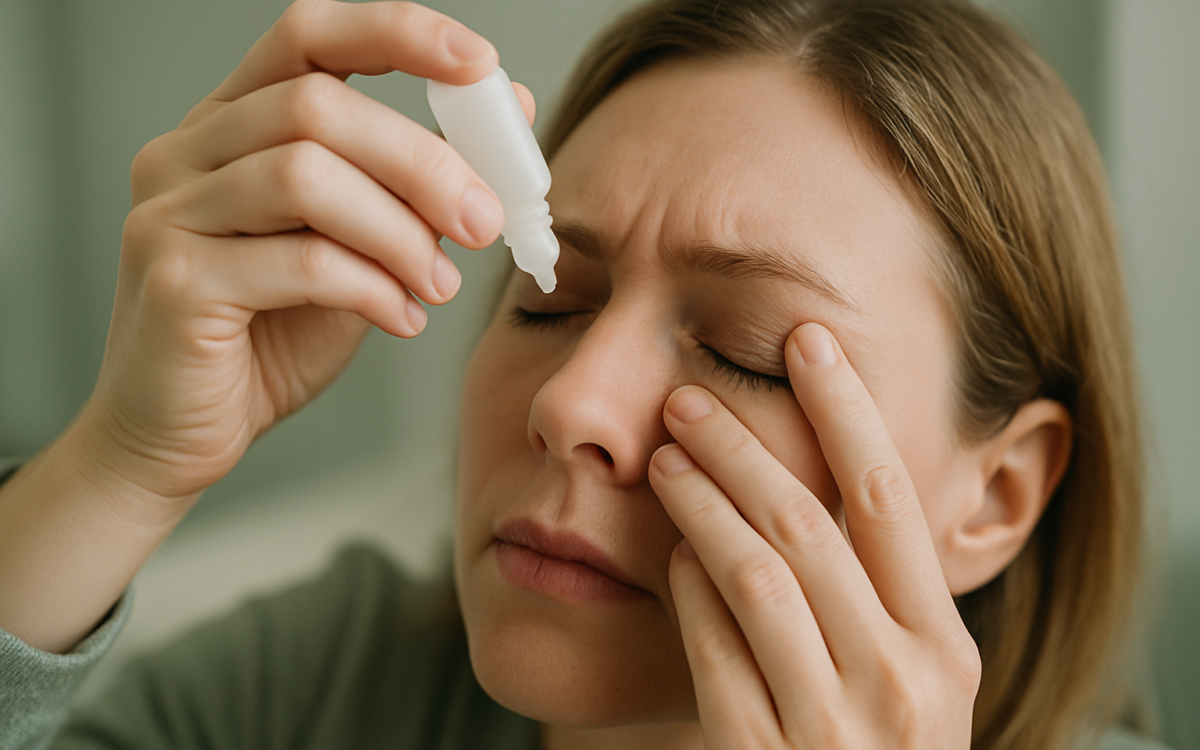
Many of us have experienced that annoying twitch in our eyelid from time to time. While often just a temporary nuisance, eye twitching can be disconcerting and even involve discomfort. Understanding the causes of eye twitching and how artificial tears may help can be valuable knowledge for those seeking relief.
What Causes Eye Twitching?
Eye twitching, or myokymia, is usually benign and can occur for several reasons. Some common causes include:
- Fatigue: Lack of sleep can make your muscles, including those around your eyes, twitch involuntarily.
- Stress: Stressful situations can lead to muscle tension, and your eyelids may react with twitching.
- Caffeine: Overconsumption of caffeinated beverages has been linked to increased twitching.
- Eye strain: Prolonged screen time without breaks can lead to dry eyes and subsequent twitching.
- Dryness: Insufficient moisture in the eyes can cause discomfort and muscle spasm.
How Do Artificial Tears Work?
Artificial tears are lubricating eye drops designed to relieve dryness and discomfort. They help to restore moisture on the surface of the eyes and can alleviate symptoms associated with dry eyes, which might be a contributing factor to twitching. Most artificial tears contain ingredients that mimic natural tears, providing a soothing effect.
Can Artificial Tears Help with Eye Twitching?
While artificial tears are primarily used to combat dryness, they may also indirectly help with eye twitching. By keeping the eyes hydrated and comfortable, artificial tears can help reduce the irritation that may trigger muscle spasms around the eyes. It’s essential to select the right type of artificial tears:
- Preservative-free drops: These are usually gentler on the eyes and suitable for frequent use.
- Thicker gels: These provide longer-lasting moisture and can be beneficial for nighttime use.
- Regular use: Consistent application of these drops, especially during prolonged screen time or stressful periods, can help maintain eye comfort.
Other Methods to Reduce Eye Twitching
In addition to using artificial tears, consider incorporating other methods to address eye twitching:
- Take breaks: Follow the 20-20-20 rule during screen time: every 20 minutes, look at something 20 feet away for 20 seconds.
- Manage stress: Techniques such as deep breathing, yoga, or meditation can help alleviate stress and reduce twitching occurrences.
- Limit caffeine: Cutting back on caffeinated drinks may lessen the twitching episodes.
- Prioritize sleep: Ensuring you get enough restful sleep can significantly impact your overall eye health and reduce spasms.
When to See a Doctor
If your eye twitching persists for an extended period, becomes more severe, or is accompanied by other concerning symptoms such as drooping eyelids or vision changes, it’s essential to consult a healthcare professional. They can evaluate your condition and suggest appropriate treatment options or interventions.
Conclusion
Eye twitching can be bothersome, but understanding its causes and exploring options like artificial tears may help. While these drops are primarily for dryness, maintaining hydration in your eyes can contribute to reducing irritants that lead to twitching. Remember to take care of your eye health through proper screen habits, stress management, and rest. If symptoms persist, seek guidance from a healthcare provider for a comprehensive evaluation.
