
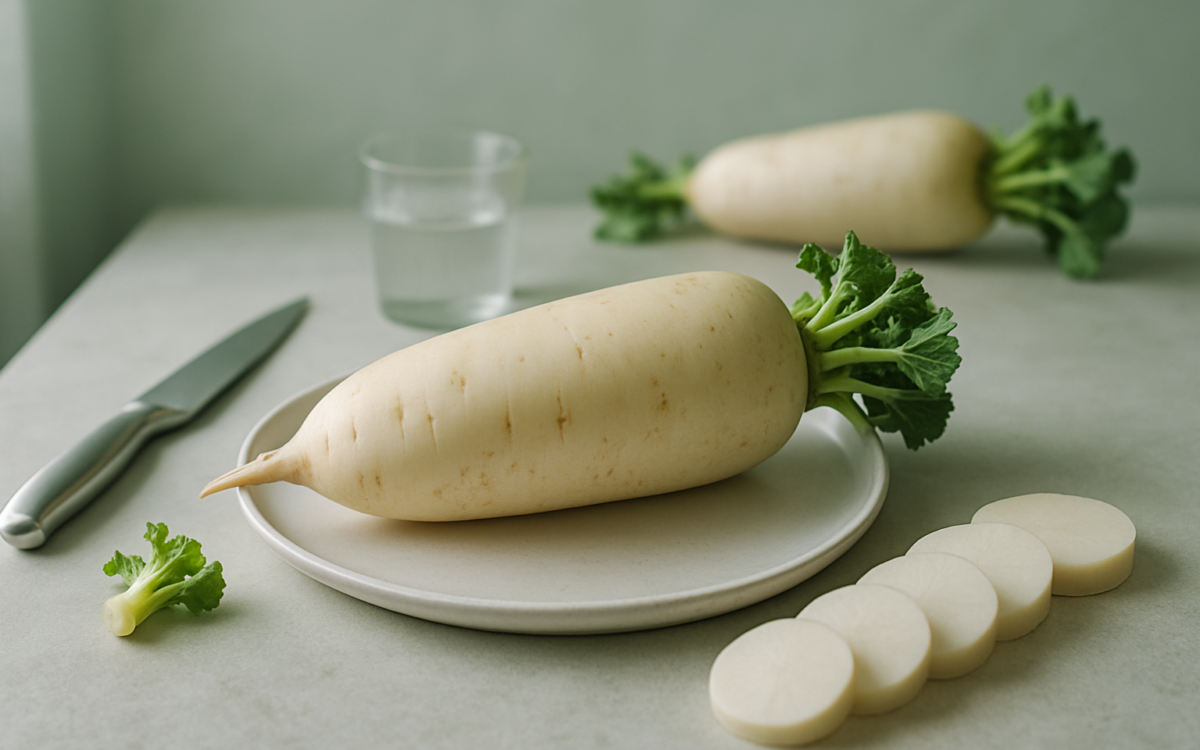
If you haven’t discovered daikon radish yet, you’re in for a treat! This unique root vegetable, popular in Asian cuisine, boasts a range of health benefits and culinary uses. With its crisp texture and mild, slightly sweet flavor, daikon can elevate various dishes while providing you with essential nutrients. Let’s dive into the world of daikon radish and explore its numerous advantages!
What is Daikon Radish?
Daikon radish, known scientifically as Raphanus sativus var. longipinnatus, is a variety of radish native to Asia. This large, white root can grow up to 18 inches long and resembles a giant white carrot. It is commonly used in salads, pickles, stir-fries, and soups. Daikon is not only versatile in the kitchen but also boasts a variety of beneficial properties.
Nutritional Profile
Daikon radish is low in calories yet high in essential nutrients, making it an excellent addition to any diet. Here’s a closer look at its nutritional profile:
- Calories: Approximately 18 calories per 100 grams
- Carbohydrates: 4.1 grams
- Fiber: 1.8 grams
- Vitamin C: 14% of the Daily Value (DV)
- Folate: 3% of the DV
- Potassium: 6% of the DV
- Calcium: 1% of the DV
The high vitamin C content of daikon acts as a powerful antioxidant, supporting your immune system and promoting skin health. Additionally, the fiber found in daikon aids digestion and helps maintain healthy cholesterol levels.
Health Benefits of Daikon Radish
Incorporating daikon radish into your diet can offer several health benefits:
1. Supports Digestive Health
The fiber in daikon radish promotes healthy digestion by adding bulk to your stool and facilitating regular bowel movements. This can help prevent constipation and aid in maintaining digestive health.
2. Enhances Immune Function
Thanks to its high vitamin C content, daikon radish can enhance your immune system. Vitamin C supports the production of white blood cells, which are crucial for fighting infections. A strong immune system can help you ward off common colds and illnesses.
3. Aids in Weight Management
Due to its low-calorie count and high fiber content, daikon radish makes an excellent food choice for those looking to manage their weight. Consuming foods high in fiber can help you feel fuller for longer, reducing the likelihood of overeating.
4. May Help Lower Blood Pressure
Daikon radish contains potassium, which may help support healthy blood pressure levels. Potassium plays a vital role in regulating blood pressure by balancing the negative effects of sodium in your diet. Maintaining healthy blood pressure is essential for heart health.
Incorporating Daikon Radish into Your Diet
Integrating daikon radish into your meals is easy and can enhance any dish’s flavor and texture. Here are a few popular ways to use this versatile vegetable:
- Raw: Slice or julienne raw daikon and add it to salads or serve it as a crunchy garnish for your favorite dishes.
- Picked: Pickling daikon radish is a popular way to enjoy its flavor. Use it as a condiment alongside various meals.
- Sautéed or Stir-Fried: Add diced or sliced daikon to your stir-fries or sautés for a delightful crunch and subtle sweetness.
- In Soups: Adding diced daikon to soups is a great way to incorporate its nutrient-dense benefits while enhancing the dish’s overall flavor.
Experiment with daikon in your cooking! You may discover new and exciting flavors while boosting your nutritional intake.
How to Choose and Store Daikon Radish
When shopping for daikon radish, look for firm, smooth roots free of blemishes or soft spots. The leaves should be crisp and vibrant; however, they can be discarded if you only want the root. Store unwashed daikon in the refrigerator crisper drawer, where it can last for up to two weeks. If you have cut or cooked daikon, store it in an airtight container in the fridge and consume it within three to five days for the best quality.
When to See a Doctor
While daikon radish is generally safe for most people, individuals with certain medical conditions should be mindful of their intake. If you have a history of allergies to radishes or cruciferous vegetables or suffer from gastrointestinal issues, consult your doctor before making any significant dietary changes. If you experience any allergic reactions or digestive discomfort after consuming daikon, it’s essential to seek medical advice.
Final Thoughts
Daikon radish is more than just a crunchy addition to your plate. It is a nutritional powerhouse that can enhance your overall well-being. With a wealth of vitamins, minerals, and health benefits, this versatile vegetable deserves a spot in your kitchen. From fresh salads to hearty soups, daikon radish can be your next superfood companion on your journey to better health. So why not give it a try? You might just find yourself loving this unique root vegetable!
