
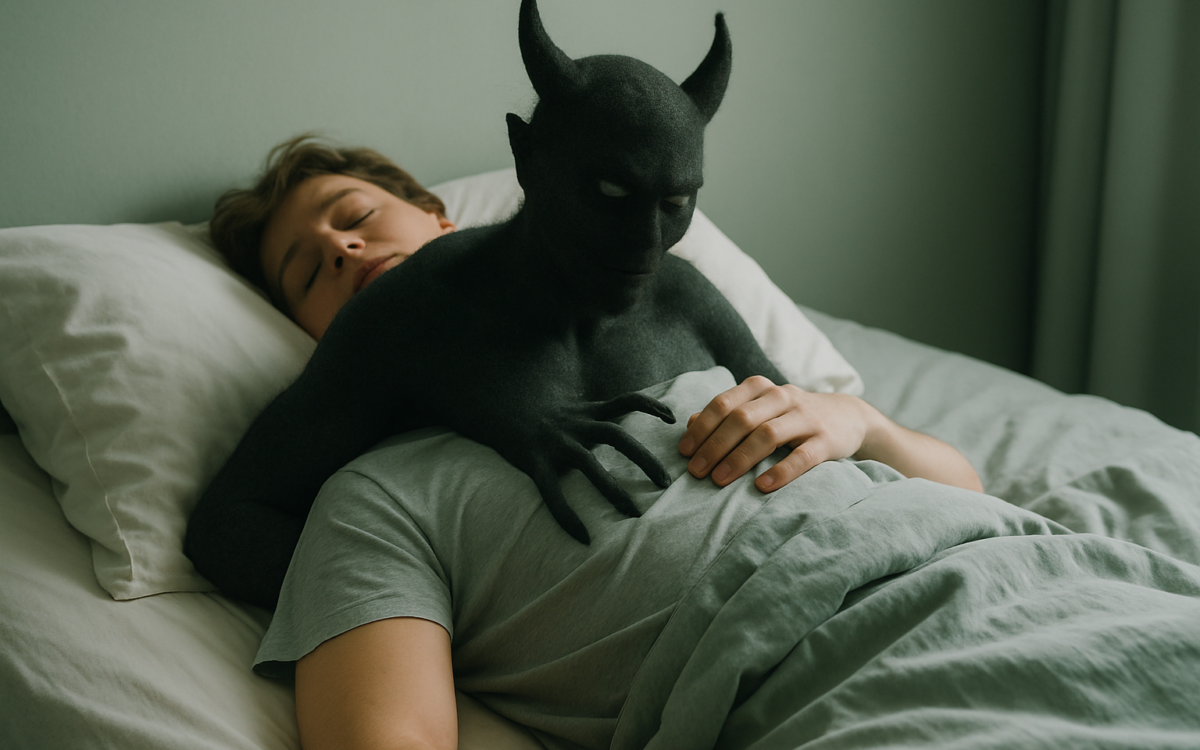
Have you ever woken up in the middle of the night, unable to move, with a sense of dread creeping over you? This experience is more common than you might think and is often described as encountering a “sleep paralysis demon.” While the experience can be frightening, understanding it may help alleviate some anxiety related to these nighttime episodes.
What is Sleep Paralysis?
Sleep paralysis is a phenomenon that occurs during the transition between wakefulness and sleep. During sleep, your brain typically engages in REM (Rapid Eye Movement) sleep, where dreaming occurs. During this stage, your body experiences natural muscle atonia, a temporary paralysis that prevents you from acting out your dreams. However, if you wake up before the REM cycle is finished, you may find yourself awake but unable to move for a few seconds or even minutes. This experience can be accompanied by hallucinations, often referred to as the “sleep paralysis demon.”
The Origins of the Sleep Paralysis Demon
The concept of a “sleep paralysis demon” is rooted in various cultural interpretations of sleep paralysis episodes. Many people report seeing shadowy figures or feeling an ominous presence during these episodes. This phenomenon has been documented in different cultures worldwide, often linked with folklore and myths. For instance, the ancient Greeks spoke of the Incubus, a demon that would sit on the chest of sleeping individuals, while some Asian cultures refer to similar spirits that induce feelings of fear and dread during sleep.
The Science Behind Sleep Paralysis
Although the experience can feel supernatural, medical research provides a more scientific explanation. Sleep paralysis frequently occurs alongside other sleep disorders such as narcolepsy, insomnia, or sleep apnea. According to the National Institutes of Health, individuals with disrupted sleep patterns are more susceptible to these episodes.
Neurologically, sleep paralysis happens when there is a disconnection between brain activity and body movement. When you wake up during REM sleep, your brain might not immediately signal your muscles to resume their usual functions, leading to the temporary paralysis that characterizes this experience.
Common Symptoms of Sleep Paralysis
While each person’s experience can differ, several common symptoms characterize sleep paralysis:
- Inability to move: Most people find they cannot move their arms or legs for a brief time.
- Feeling of pressure: Some report a heavy weight on their chest, which often accompanies hallucinations.
- Vivid hallucinations: These may include seeing a figure in the room, feeling a sense of dread, or hearing strange noises.
- Racing heart or panic: The experience can trigger fear or anxiety, further complicating the reaction.
Preventing Sleep Paralysis Episodes
If you experience sleep paralysis frequently, there are steps you can take to minimize episodes:
- Prioritize sleep hygiene: Ensure you have a consistent sleep schedule, aiming for 7-9 hours of sleep each night.
- Avoid sleeping on your back: Some studies suggest that sleeping in a different position may reduce the likelihood of experiencing sleep paralysis.
- Manage stress and anxiety: Techniques such as mindfulness meditation, deep breathing, or yoga can be beneficial.
- Limit stimulants: Try reducing caffeine and other stimulants, especially in the hours leading up to bedtime.
When to See a Doctor
If sleep paralysis episodes disrupt your sleep or cause you significant distress, it may be time to speak with a healthcare professional. A doctor can provide guidance tailored to your situation, and if necessary, recommend further evaluation for underlying sleep disorders. You can consult reliable resources such as the Centers for Disease Control and Prevention or the Mayo Clinic for more information about sleep health.
Conclusion
Sleep paralysis can be a frightening experience, often intensified by the notion of a “sleep paralysis demon.” However, by understanding the science behind it and implementing strategies for better sleep health, you can empower yourself against these nighttime terrors. Remember that you are not alone in experiencing this phenomenon, and with time and care, its impact can be minimized.
