
When it comes to building a well-rounded fitness routine, strength training often takes center stage. Among the numerous exercises available, the dumbbell pullover stands out for its unique ability to target multiple muscle groups and enhance flexibility. Whether you’re a seasoned gym-goer or just starting your fitness journey, understanding the dumbbell pullover can help you maximize your workouts.
What is a Dumbbell Pullover?
The dumbbell pullover is a resistance exercise primarily designed to strengthen the muscles in your upper body. It targets the chest, back, and shoulders while also stretching the ribcage and improving flexibility. This versatile exercise can be performed lying on a bench or on the floor with a dumbbell, making it accessible for people of various fitness levels.
Muscles Targeted by Dumbbell Pullovers
One of the reasons the dumbbell pullover is so effective is that it engages multiple muscle groups, including:
- Pectoralis Major: This is the primary muscle worked during a pullover, and it helps with various pushing movements.
- Latissimus Dorsi: This muscle runs along your sides and plays a crucial role in pulling movements.
- Triceps: Used to extend your elbows, this muscle helps stabilize the movement.
- Shoulders: The deltoids are engaged to stabilize your arms and assist in the lifting motion.
- Core: Your abdominal muscles work to keep your body stable during the exercise.
By activating these muscle groups, dumbbell pullovers are effective for both muscle development and flexibility enhancements.
How to Perform a Dumbbell Pullover
Proper technique is essential for maximizing the benefits of dumbbell pullovers while minimizing the risk of injury. Here’s a step-by-step guide to performing the exercise:
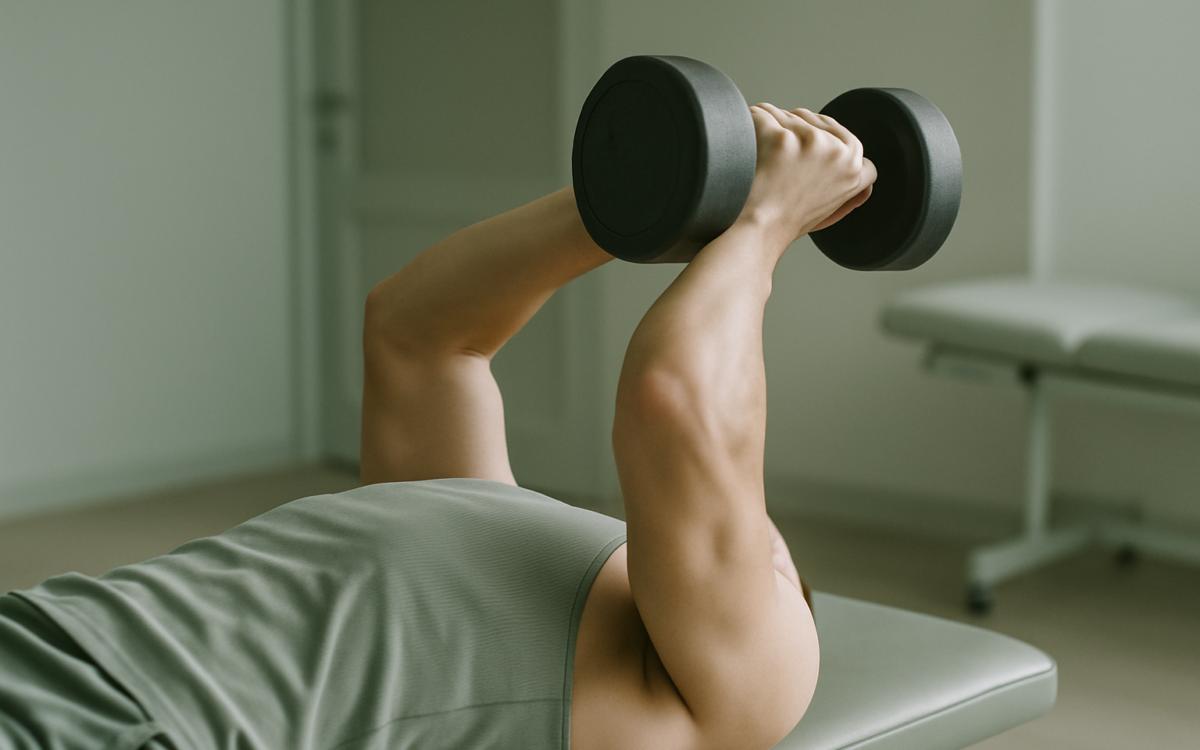
- Starting Position: Lie on a bench or the floor, holding a dumbbell with both hands above your chest. Your arms should be straight, and your feet should be planted firmly on the ground.
- Form Check: Keep a slight bend in your elbows to reduce tension on the joints. Your back should remain flat against the surface.
- The Motion: Slowly lower the dumbbell behind your head, maintaining control. Go as far as is comfortable without straining.
- Return to Start: Engage your chest and back muscles to lift the dumbbell back to the starting position. Exhale as you lift.
- Repetition: Aim for 8-12 repetitions for 2-3 sets, depending on your fitness level.
As with any exercise, listen to your body and avoid pushing through pain. If it feels uncomfortable, adjust your range of motion or seek guidance from a fitness professional.
Benefits of Incorporating Dumbbell Pullovers into Your Routine
Dumbbell pullovers offer a range of benefits, making them a worthwhile addition to your fitness routine:
- Improved Flexibility: Regularly performing dumbbell pullovers can help stretch your chest and ribcage, contributing to better overall flexibility.
- Enhanced Upper Body Strength: By targeting multiple muscles, dumbbell pullovers help build balanced strength across your upper body.
- Supports Better Posture: Strengthening the muscles in your back can promote better posture, which is particularly important if you spend long hours sitting.
- Increased Range of Motion: Performing pullovers can improve your shoulder mobility, which is essential for many everyday tasks and other exercises.
- Convenience: Dumbbells are widely available. You can perform the exercise at home, at a gym, or even while traveling.
These benefits highlight the practicality of dumbbell pullovers in any fitness regimen.
Common Mistakes to Avoid
While dumbbell pullovers can be highly effective, common mistakes can lead to injuries or suboptimal results. Avoid these pitfalls:
- Incorrect Form: Failing to maintain a straight, stable position can strain your back and lead to injury. Always engage your core and keep your back flat.
- Using Too Much Weight: Choosing a dumbbell that’s too heavy can compromise your form. Start with a lighter weight to master the technique.
- Rushing the Movement: The pullover should be performed slowly and with control. Quick movements reduce effectiveness and increase injury risk.
- Neglecting Warm-up: Ensure you warm up your muscles before starting your workout to enhance performance and minimize injury risk.
Being mindful of these errors can enhance your strength training experience and keep you safe.
When to See a Doctor
If you experience persistent pain while performing dumbbell pullovers or any exercise, it may be time to consult a healthcare professional. Symptoms like joint swelling, severe discomfort, or changes in strength could signal underlying issues that require medical attention. Always prioritize your safety and well-being.
Dumbbell pullovers are an engaging and beneficial exercise that can enhance your fitness journey. By incorporating this versatile movement into your workouts, you can improve strength, flexibility, and overall fitness. As always, if you have any concerns or specific medical conditions, consult your doctor before starting new exercises.
