
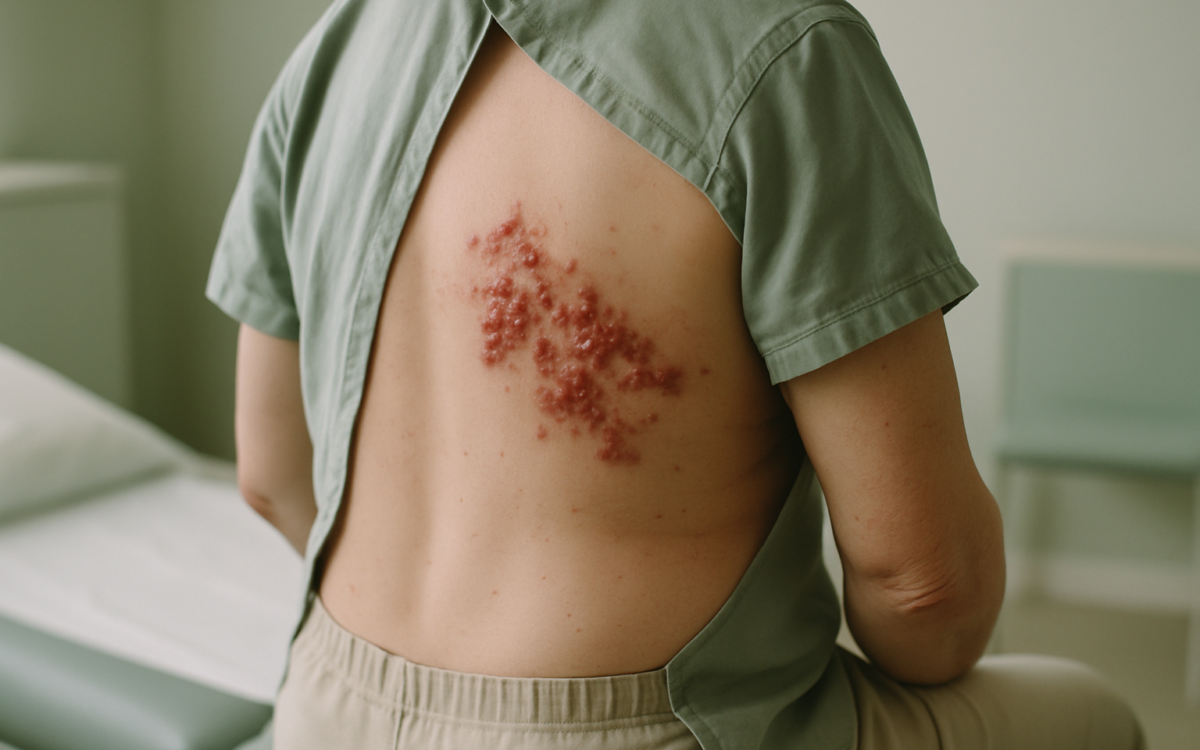
Shingles, also known as herpes zoster, is a viral infection that can cause painful rashes on the skin. It’s important to understand what shingles looks like so that you can seek treatment promptly. This article will guide you through the visual signs of shingles, its causes, symptoms, and when it’s time to consult a healthcare professional.
What is Shingles?
Shingles is caused by the varicella-zoster virus, the same virus that leads to chickenpox. After recovering from chickenpox, the virus can remain dormant in the nervous system and may reactivate later in life, leading to shingles. It typically affects older adults, but anyone who has had chickenpox can develop shingles.
How Does Shingles Present Itself?
Shingles usually begins with some key warning signs before the rash appears. These early symptoms include:
- Itching or tingling sensation in a specific area of the skin
- Localized pain, often described as burning
- Fatigue or general malaise
- Flu-like symptoms such as headache or sensitivity to light
After a few days, the characteristic rash develops, which is a hallmark of the infection.
What Does a Shingles Rash Look Like?
The rash from shingles typically appears as:
- Red or pink patches: The rash often begins as red or pink spots on the skin.
- Blisters: The red patches then develop into fluid-filled blisters. These blisters are typically localized to one side of the body and can vary in size.
- Cropping: The rash generally follows a nerve path, causing it to appear in a band or strip along one side of the torso, though it can appear on the face, neck, or other areas.
- Crust formation: After a few days, the blisters will burst and crust over. The crusting phase can last from several days to weeks.
It’s essential to note that not everyone experiences the rash in the same way. Some people may have mild rashes, while others may develop extensive blisters and more severe pain.
Skin Changes and Other Symptoms
In addition to the visual appearance of the rash, there are other skin changes and systemic symptoms to be aware of:
- Sensitivity: The affected skin may be extremely sensitive, even to light touch.
- Color changes: The skin in the affected area may appear more red or inflamed during the initial stages.
- Post-herpetic neuralgia: After the rash heals, some individuals may experience ongoing pain (post-herpetic neuralgia) that can persist for months or even years.
These symptoms can make everyday activities challenging and sometimes frustrating.
Complications Associated with Shingles
While most cases of shingles resolve with appropriate treatment, complications can occur, especially in individuals with weakened immune systems or older adults. Potential complications include:
- Vision loss: If shingles affects the eye (known as herpes zoster ophthalmicus), it can lead to serious vision issues.
- Bacterial infections: The blisters can become infected with bacteria, necessitating medical treatment.
- Neurological issues: In rare cases, shingles can cause inflammation of the brain (encephalitis) or other neurological problems.
If you notice any unusual symptoms along with your rash, it’s important to consult a healthcare provider.
When to See a Doctor
It’s advisable to see a doctor if you suspect you have shingles. Early intervention can help reduce the severity and duration of the symptoms. Consult a healthcare professional if you experience:
- A rash that follows a nerve path
- Severe pain that is not managed with over-the-counter medication
- Symptoms affecting the eyes or causing vision changes
- A weakened immune system or other underlying health conditions
For more information on shingles, consider visiting reputable sources such as the CDC or Mayo Clinic.
Conclusion
Recognizing what shingles looks like is crucial for getting timely treatment and easing discomfort. By understanding the signs, you can be better prepared to seek help if needed. If you suspect you may have shingles, reach out to your healthcare provider to discuss your symptoms and explore your treatment options.
