
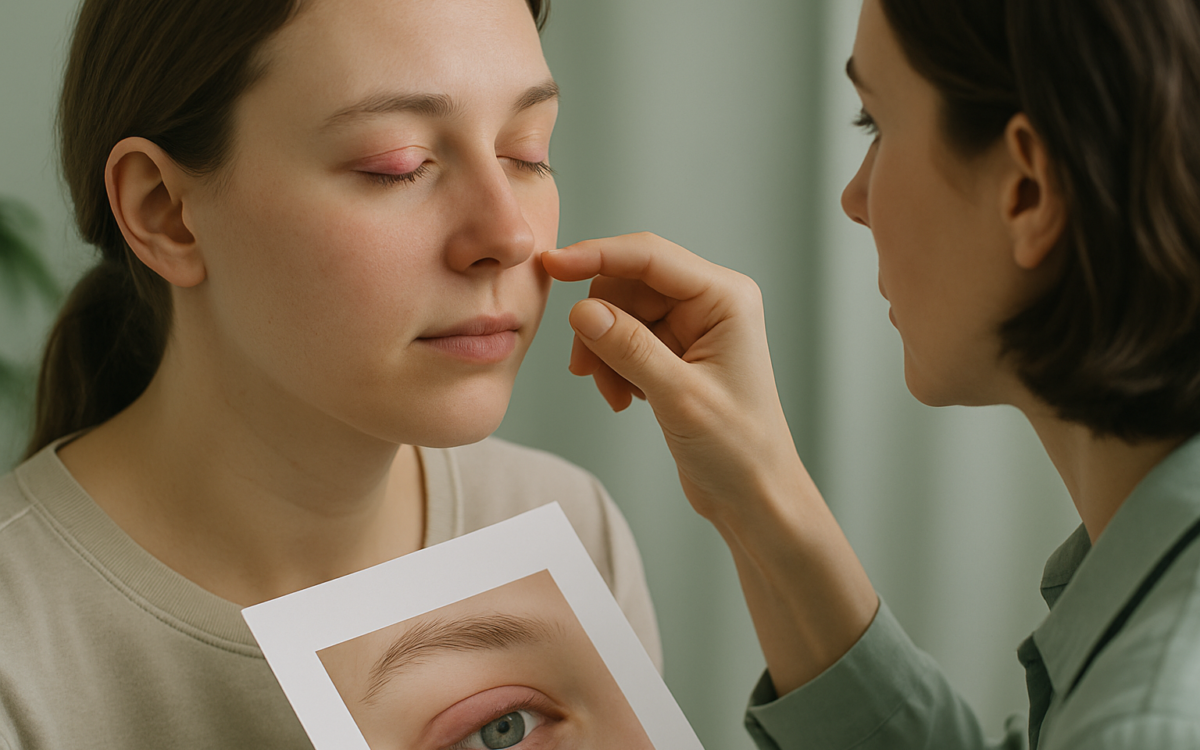
Styes are often uncomfortable and sometimes embarrassing, but many people wonder if they can spread to others. Understanding what causes styes and their nature as an eye condition is essential. In this article, we’ll explore whether styes are contagious, how they form, their symptoms, treatment options, and prevention measures.
What Are Styes?
A stye, or hordeolum, is a small, painful lump that forms on the eyelid due to an infection in the oil glands or hair follicles. Usually red and swollen, styes can occur on the outer or inner eyelid. They often resemble a pimple or boil and can be quite tender to the touch.
Are Styes Contagious?
The straightforward answer is: No, styes are not contagious. They develop primarily as a result of clogged glands or bacterial infections. The bacteria responsible for most styes, Staphylococcus, is commonly found on the skin and generally harmless. Styes form in individuals who have a specific risk profile, which may include factors such as poor hygiene, certain skin conditions, or chronic eye issues.
Though the bacteria that cause styes can be spread from person to person, the infection itself does not spread in the same way as viral infections like the common cold or flu. A stye generally develops in individuals vulnerable to certain conditions, rather than as a direct transmission of the infection.
Common Causes of Styes
Several factors may contribute to the formation of a stye:
- Poor Hygiene: Inadequate cleansing of the eyelids can lead to blocked glands and bacterial growth.
- Skin Conditions: Conditions like rosacea or seborrheic dermatitis can exacerbate the likelihood of developing styes.
- Stress: Increased stress can weaken the immune system, making one more susceptible to infections.
- Blepharitis: This is an inflammation of the eyelids that can lead to blockage of glands.
Symptoms of a Stye
The symptoms of a stye can be quite noticeable. They may include:
- Redness and swelling on the eyelid
- Pain or tenderness
- Feeling of a lump or a bump on the eyelid
- Watery eyes
- Crusty eyelids, especially upon waking
If you’re experiencing these symptoms, it’s essential to monitor the condition and see if it improves within a few days.
Treatment Options
Although styes can be uncomfortable, most resolve on their own within a week or so. Here are some common treatment options:
- Warm Compresses: Applying a warm, moist cloth to the affected area several times a day can help soothe pain and promote drainage.
- Over-the-Counter Pain Relievers: Medications like ibuprofen or acetaminophen can relieve discomfort.
- Topical Antibiotics: In some cases, your doctor may recommend antibiotic ointments if there’s a concern of secondary bacterial infection.
- Avoid Squeezing: Refrain from squeezing or popping the stye, as this can worsen the infection.
Prevention Strategies
Preventing styes should be a priority if you’ve had them before or are concerned about developing one. Here are some effective strategies:
- Good Hygiene Practices: Wash your hands regularly and avoid touching your face, especially your eyes.
- Cleaning Your Eyelids: Regularly clean your eyelids with mild soap or specialized eyelid wipes to remove oil and debris.
- Avoid Makeup: If you have a stye, avoid using eye makeup until it resolves to prevent further irritation.
- Manage Stress: Incorporating stress management techniques, like meditation or exercise, can help keep your immune system strong.
When to See a Doctor
While most styes can be treated at home, it’s essential to consult a doctor if:
- The stye doesn’t improve after a week
- It begins to worsen or causes severe pain
- You experience vision changes
- There are signs of spreading infection, such as red streaks on the skin
Your doctor can provide the most appropriate advice and treatment based on your unique situation.
Conclusion
Styes can be a bothersome condition, but the knowledge that they are not contagious can alleviate concerns about spreading the infection to others. By practicing good hygiene, monitoring symptoms, and using proper treatment methods, you can effectively manage styes and reduce the risk of recurrence. If you have persistent symptoms or concerns, don’t hesitate to seek professional medical advice.
