
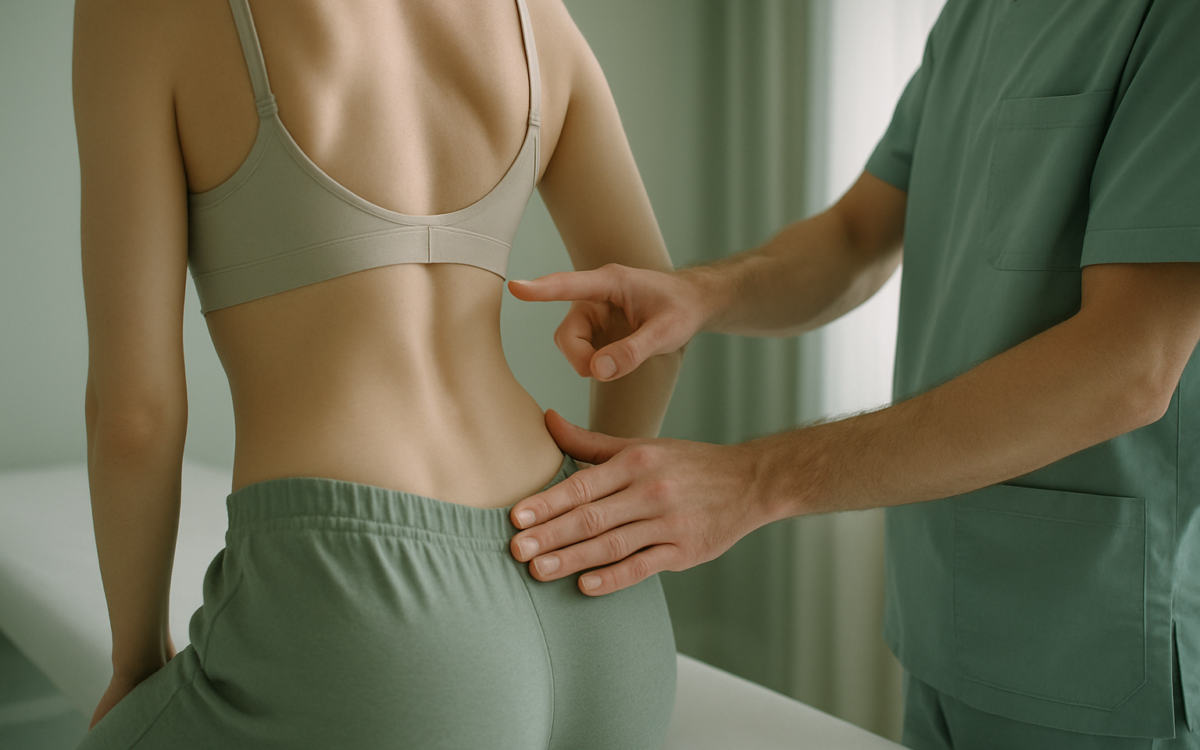
Lumbar lordosis is a common spinal curvature condition. While some degree of lordosis is normal in the human spine, excessive curvature can lead to various health issues. Understanding this condition can help individuals manage symptoms and improve their quality of life.
What is lordosis?
Lordosis refers to the inward curvature of the spine. In a typical spine, there are natural curves that contribute to an individual’s posture and overall stability. The lumbar region of the spine, located in the lower back, normally has a slight lordotic curve. However, when the curve is exaggerated, it can lead to a condition known as hyperlordosis.
Causes of lordosis
Understanding the causes of lordosis is essential for proper management. Several factors may contribute to the development of this condition:
- Posture: Poor posture over time, whether sitting or standing, can lead to an exaggerated curve in the lower back.
- Obesity: Extra weight, especially in the abdominal area, can pull the pelvis forward, causing spinal curvature.
- Muscle imbalances: Weak abdominal muscles and tight back muscles contribute to lordosis. These imbalances can occur due to inactivity or specific physical activities.
- Genetic predisposition: Some individuals may inherit a tendency toward spinal curvature disorders.
- Conditions: Some underlying medical conditions, such as spondylolisthesis (a condition where a vertebra slips out of place) or developmental disorders, can also lead to lordosis.
Symptoms of lordosis
The symptoms of lordosis can vary depending on the severity of the curvature. Common signs include:
- Lower back pain: Discomfort or pain in the lower back, often aggravated by prolonged standing or sitting.
- Posture changes: A noticeable swayback appearance or uneven hips may be observable.
- Muscle stiffness: Tightness or stiffness in the lower back and hip flexors can occur.
- Reduced mobility: Some individuals may experience difficulty moving comfortably, especially during physical activities.
Diagnosis of lordosis
If you suspect you have lordosis, it is important to consult a healthcare provider. Diagnosis typically involves:
- Physical examination: Your healthcare provider will assess your posture and spinal alignment.
- X-rays: Imaging tests may be ordered to evaluate the degree of curvature and rule out other conditions.
In some cases, further imaging like MRI might be considered, especially if there are signs of nerve involvement or severe pain.
Management and treatment options
While some individuals may have mild lordosis and not require treatment, those experiencing significant discomfort can benefit from various management strategies:
- Physical therapy: A physical therapist can develop a personalized exercise program that strengthens the core and stretches tight muscles. This approach can help reduce pain and improve posture.
- Weight management: For individuals with obesity, losing weight can alleviate pressure on the spine and reduce curvature.
- Pain management: Over-the-counter pain relievers may help manage discomfort, but it’s crucial to consult your healthcare provider before starting any new medication.
- Surgical intervention: In severe cases where conservative treatments do not provide relief, surgery may be considered to correct the spinal curvature.
Preventive measures
To maintain a healthy spine and mitigate the risk of developing lordosis, consider these preventive measures:
- Maintain a healthy weight: A balanced diet and regular exercise can help manage body weight.
- Practice good posture: Be mindful of your posture while sitting and standing. Keeping the spine aligned can prevent excessive curvature.
- Stay active: Regular physical activity, especially core-strengthening exercises, can help support a healthy spine.
When to see a doctor
It’s essential to see a doctor if you experience:
- Severe or persistent back pain that limits your daily activities
- Changes in your posture that occur suddenly
- Numbness, tingling, or weakness in your legs or arms
These symptoms could indicate a more serious underlying condition that requires medical attention.
Conclusion
Lordosis is a condition that many people experience, but understanding its causes, symptoms, and management options can empower individuals to take control of their spinal health. Whether through lifestyle changes or medical treatment, effective ways to manage lordosis are available. Always consult a healthcare professional to discuss concerns and determine the best course of action.
