
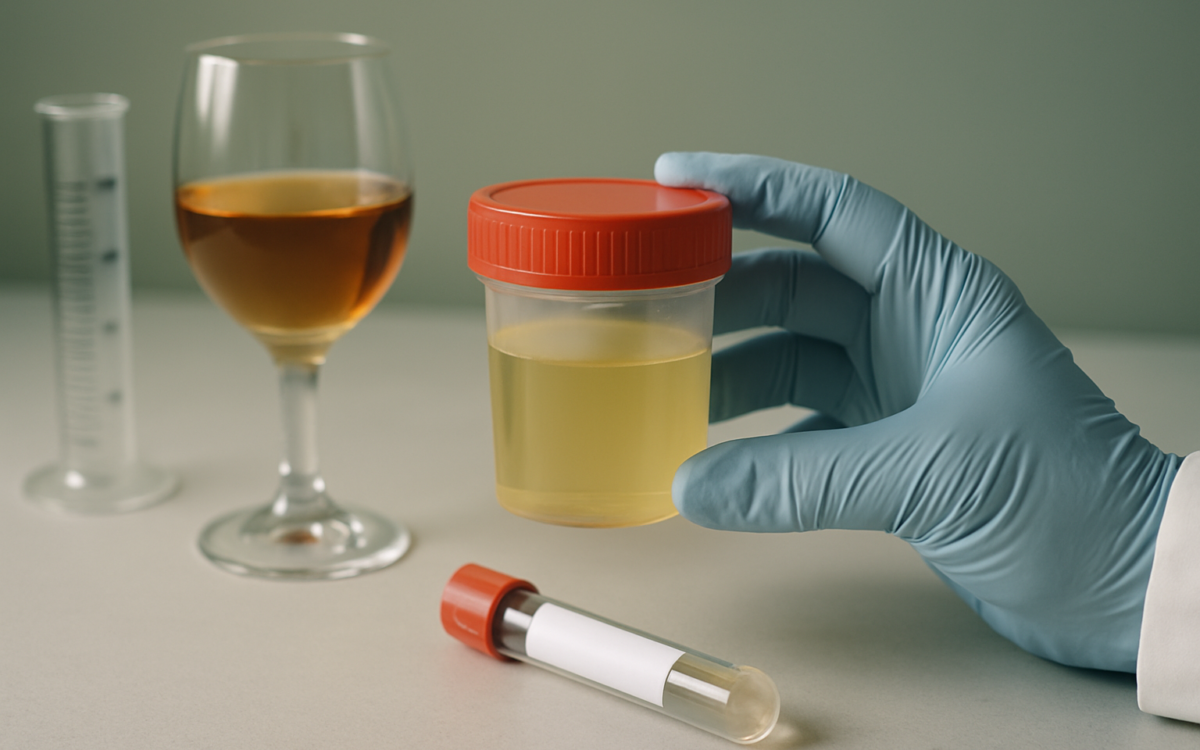
Alcohol is a substance many people consume socially, but its detection in the body is a significant concern for various reasons. Whether you’re preparing for a drug test, curious about health effects, or needing to understand alcohol’s impact on your body, it’s important to know how long alcohol can stay detectable in urine.
How Alcohol Metabolism Works
When you drink alcohol, it is absorbed into your bloodstream. The liver metabolizes alcohol at a fairly consistent rate, breaking it down to make it less toxic for the body. The average person can process about one standard drink per hour. However, several factors can influence this rate, including age, sex, weight, and overall health.
Detection Times for Alcohol in Urine
Alcohol can typically be detected in urine for up to 48 hours after consumption. The exact timeframe can vary based on several factors:
- Quantity Consumed: The more alcohol consumed, the longer it will remain detectable in urine.
- Metabolism Rate: Individual metabolic rates significantly affect how quickly alcohol is processed.
- Hydration Levels: A well-hydrated person may process alcohol faster than someone who is dehydrated.
- Health Conditions: Liver diseases or other metabolic disorders can prolong the presence of alcohol in urine.
Types of Urine Tests
Not all urine tests are the same. Here are the common types used for alcohol detection:
- Standard Urine Tests: These tests can detect alcohol for 12-48 hours after consumption, depending on the factors mentioned earlier.
- EtG Tests: Ethyl glucuronide (EtG) is a metabolite of alcohol, and tests can detect it for up to 80 hours after drinking. These are more sensitive and can detect even small amounts of alcohol.
- Traditional Blood Tests: While not urine tests, blood tests can show alcohol presence for up to 12 hours, providing another perspective on alcohol detection.
Alcohol Influence on International Patients
For many international patients, understanding the implications of alcohol consumption is crucial, especially when seeking care abroad. Facilities like international patient services can offer guidance tailored to individual needs regarding alcohol consumption and its detection in various situations encountered while traveling or receiving health care. This understanding is vital in making informed choices about alcohol use and health.
Factors That Affect Detection Time
Several factors can influence how long alcohol stays in urine:
- Body Composition: A person’s weight and body fat percentage can impact how alcohol is processed. Generally, heavier individuals may find that alcohol concentrations remain higher in their systems longer than lighter individuals.
- Food Intake: Consuming alcohol on an empty stomach may lead to faster absorption and prolonged detection times. Eating food slows the absorption rate, potentially leading to shorter detection windows.
- Frequency of Use: Regular drinkers may experience different rates of metabolism over time compared to occasional users.
- Gender: Women generally process alcohol differently than men due to variations in body water content and enzyme levels, which may affect detection times.
When to See a Doctor
If you are concerned about alcohol consumption, withdrawal symptoms, or potential health risks associated with drinking, it’s advisable to consult a healthcare professional. They can provide personalized care and guidance tailored to your needs.
Conclusion
Understanding how long alcohol stays in urine is essential for many reasons, from workplace testing to health considerations. While the general detection window is up to 48 hours, individual factors can significantly influence the duration. Always approach alcohol with knowledge and mindfulness of your own body and health.
