
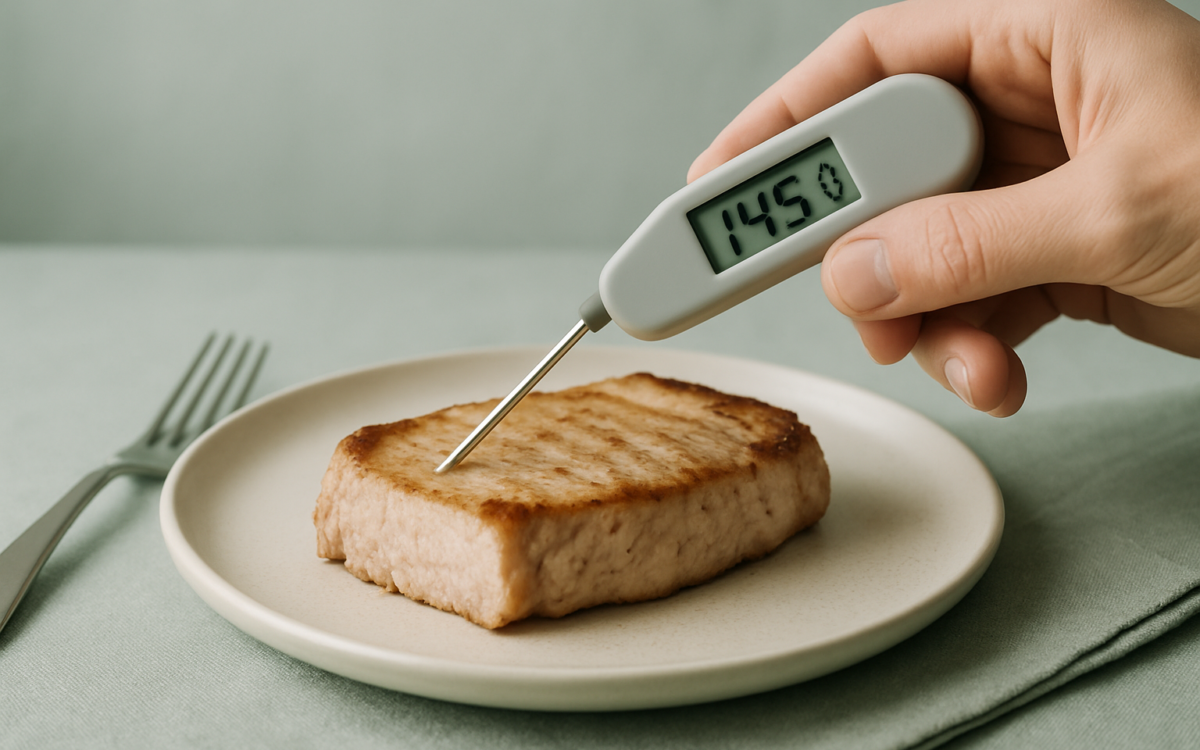
Cooking pork can be both a delicious and nutritious choice, but it’s important to know how to prepare it safely. Getting the temperature right is not just about taste; it’s also essential for food safety. Undercooked pork can harbor harmful bacteria and parasites, making it vital to understand the correct temperatures for various cuts of pork. In this article, we’ll explore the best cooking temperatures for pork, why they matter, and how to ensure your meals are both tasty and safe.
The Importance of Pork Temperature
Pork is a popular meat choice worldwide, often enjoyed in various dishes ranging from barbecued ribs to savory roasts. However, it’s crucial to ensure that pork is cooked to the right temperature to kill any harmful pathogens. According to the Centers for Disease Control and Prevention (CDC), undercooked pork can be a source of foodborne illnesses, including trichinellosis, salmonellosis, and others. These illnesses may lead to serious health issues, particularly for vulnerable populations like children, the elderly, and individuals with compromised immune systems.
Recommended Cooking Temperatures for Pork
The USDA provides guidelines to help you safely cook pork. Here’s a breakdown of the recommended internal temperatures for various pork cuts:
- Pork Chops, Roasts, and Tenderloin: 145°F (63°C) followed by a 3-minute rest time.
- Pork Ground Products: 160°F (71°C).
- Pork Ribs and Shoulders: 145°F (63°C) followed by a 3-minute rest time; for pulled pork, many cooks prefer an internal temperature of around 195°F (90°C) for optimal tenderness.
- Pork Liver: 160°F (71°C).
Using a reliable meat thermometer is the best way to ensure that your pork reaches these safe temperatures. Simply place the thermometer in the thickest part of the meat, avoiding bone or fat, which can give inaccurate readings.
How to Measure Pork Temperature Accurately
Measuring the internal temperature of pork is simple but requires a few tips for accuracy:
- Use a Digital Meat Thermometer: These thermometers provide quick and accurate readings. Ideally, you should invest in one that can give you readings in seconds.
- Know Where to Insert the Thermometer: For cuts like chops or roasts, insert it into the thickest part. For ground pork, ensure it’s in the center.
- Check Multiple Spots: Larger cuts can have areas that cook faster or slower. Checking in a few different spots helps ensure even cooking.
- Let It Rest: Once the pork reaches the desired temperature, let it rest for a few minutes. This allows the juices to redistribute, enhancing flavor and moisture.
Pork Consistency: What to Expect
After cooking pork to the right temperature, it’s normal to see some pink in the center of the meat. The USDA considers pork safe at 145°F (63°C) with a little pink, as long as it rests for three minutes afterward. Many people find this level of cooking provides the juiciest texture. However, if you prefer your pork well-done, continue cooking until reaching 160°F (71°C) or higher.
Common Mistakes to Avoid When Cooking Pork
Cooking pork doesn’t have to be complicated, but several common mistakes can lead to food safety issues or disappointment in flavor:
- Using Outdated Thermometers: Always calibrate your thermometer periodically to ensure accuracy.
- Not Resting the Meat: Skipping the rest time can lead to a less juicy and flavorful final product.
- Assuming Color Equals Safety: Remember, color isn’t a reliable indicator of doneness. Use a thermometer instead.
- Thawing Improperly: Never leave pork to thaw at room temperature. Instead, thaw in the refrigerator, in cold water, or in the microwave.
Cooking Methods to Consider
Understanding various cooking methods can help you serve pork at the ideal temperature while enhancing flavor:
- Grilling: Gives a smoky flavor. Monitor with a thermometer, especially with thicker cuts.
- Roasting: Ideal for larger cuts; allows for even cooking and can produce a delicious crust when searing first.
- Sous Vide: A method that maintains precise temperatures, offering juicy results.
- Slow Cooking: Great for tougher cuts, turning them tender while reaching safe temperatures over low heat.
When to See a Doctor
If you experience gastrointestinal discomfort after eating improperly cooked pork, including symptoms like severe stomach pain, persistent vomiting, or diarrhea, it’s crucial to consult your doctor. While these symptoms can often resolve on their own, they may sometimes indicate a more serious infection.
Conclusion
Cooking pork safely is essential for both flavor and health. By understanding the correct pork temperatures, avoiding common mistakes, and using reliable cooking methods, you can enjoy delicious meals confidently. Remember to use a meat thermometer and let your pork rest after cooking for the best results. Happy cooking!
