
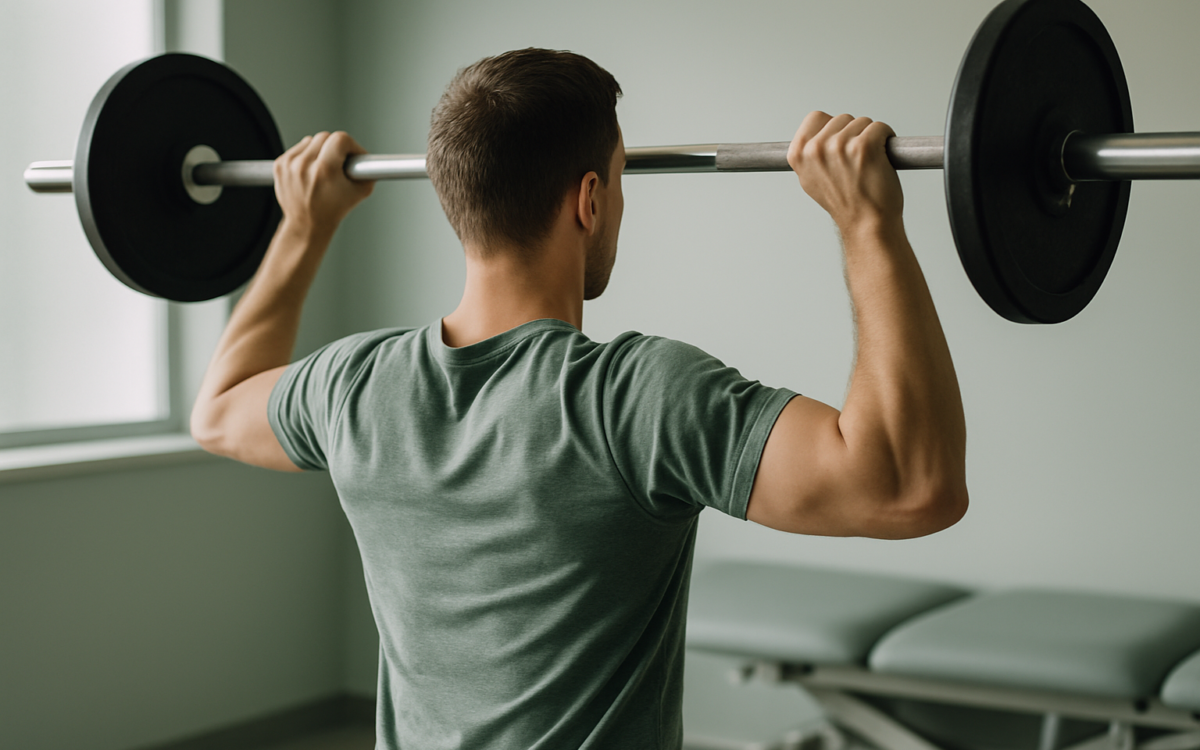
The military press, also known as the overhead press, is a powerful exercise that targets the shoulders, arms, and upper chest. It can help you build strength, increase muscle mass, and improve overall fitness. Whether you’re a seasoned weightlifter or just getting started, understanding the military press can enhance your workout routine.
What is the Military Press?
The military press involves lifting a barbell or dumbbells from shoulder height to an overhead position while standing or sitting. This exercise engages multiple muscle groups, primarily the deltoids, triceps, and upper pectoral muscles. It also activates the core for stability and balance.
Benefits of the Military Press
The military press offers a range of benefits that can contribute to a comprehensive fitness program:
- Strength Development: Regular practice of the military press enhances strength in the upper body, allowing improved performance in various physical activities.
- Muscle Growth: This exercise stimulates muscle growth by activating both major and minor muscle groups, leading to a more balanced physique.
- Improved Posture: Strengthening the shoulders and upper back can enhance posture, potentially reducing back pain and discomfort.
- Functional Fitness: The military press mimics real-life movements that require lifting overhead, making it a functional exercise beneficial for daily activities.
- Increased Core Stability: Engaging your core during the lift strengthens abdominal and lower back muscles, promoting overall stability.
Proper Technique for the Military Press
Using the correct form is crucial to maximize benefits and minimize the risk of injury:
Starting Position
1. Stand with your feet shoulder-width apart, creating a stable base.
2. Grip the barbell (or dumbbells) with your hands slightly wider than shoulder-width.
3. Position the barbell at shoulder level, resting on the front of your shoulders.
4. Keep your elbows pointed forward and your wrists straight.
Movement Phase
1. Brace your core and engage your back muscles to maintain good posture.
2. Press the weight upward by extending your elbows while keeping your feet planted.
3. Avoid arching your back; instead, keep your torso upright.
4. Push the weight overhead until your arms are fully extended, without locking your elbows.
5. Slowly lower the weight back to shoulder height while maintaining control.
Common Mistakes to Avoid
- Incorrect Back Position: Arching the back can lead to injuries. Always keep a neutral spine.
- Using Too Much Weight: Start with a manageable weight to focus on form, gradually increasing as you build strength.
- Inadequate Warm-Up: Warm up your shoulders, arms, and core before attempting the lift to prepare your muscles.
Variations to Consider
If you want to diversify your workouts, there are several variations of the military press:
- Seated Military Press: Performed while sitting, this variation eliminates the lower body drive, isolating the upper body more effectively.
- Arnold Press: Named after Arnold Schwarzenegger, this variation starts with the palms facing you and rotates outward as you press the weights overhead, engaging more muscles.
- Kettlebell Press: Using kettlebells can add instability, further challenging your balance and coordination.
Safety Tips for the Military Press
Staying safe while performing the military press is essential, especially to avoid injuries:
- Use a Spotter: If lifting heavy weights, having a spotter can ensure safety and support if you lose control.
- Listen to Your Body: Pay attention to any pain or discomfort during the lift. If something feels wrong, stop and reassess your form or weight.
- Consult a Professional: If you’re new to weightlifting, working with a certified trainer can help you master the technique.
When to See a Doctor
If you experience persistent pain or discomfort in your shoulders, arms, or back while performing the military press, it’s essential to consult a doctor. Additionally, if you have a pre-existing condition or injury, speaking with a healthcare professional before starting any new exercise is wise. Check resources like Mayo Clinic for more information on exercise safety.
Understanding the military press and incorporating it into your fitness routine can significantly enhance your upper body strength. Remember to prioritize proper form, safety, and gradual progression to make the most out of this effective exercise. Happy lifting!
