
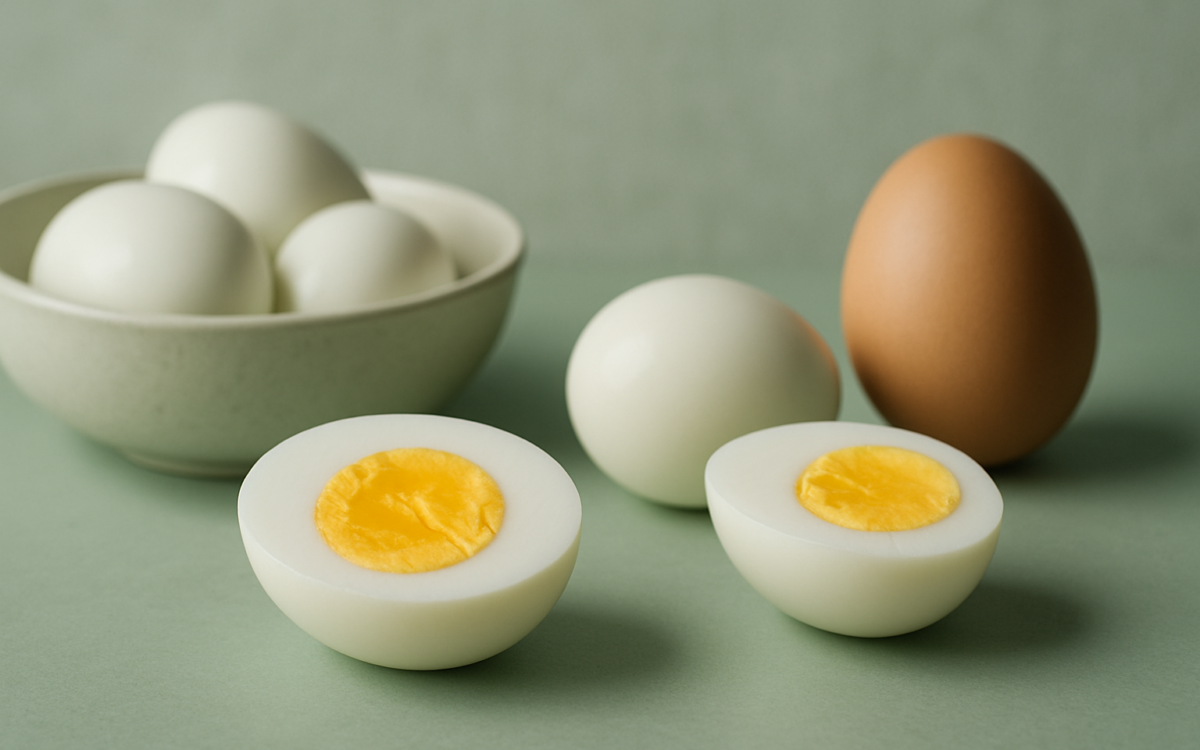
Hard-boiled eggs are a nutritious, convenient snack or meal component packed with protein and essential nutrients. However, like all perishable foods, they have a limited shelf life. Understanding how long hard-boiled eggs last can help you make smarter decisions in your meal planning and reduce food waste.
How long can hard-boiled eggs last in the fridge?
When properly stored, hard-boiled eggs can last in the refrigerator for up to one week. This timeline is critical to consider if you’re preparing them in advance for salads, snacks, or breakfast options. The United States Department of Agriculture (USDA) recommends consuming hard-boiled eggs within this timeframe for optimal freshness and safety.
Storage tips for hard-boiled eggs
To maximize the shelf life of your hard-boiled eggs, follow these storage tips:
- Cool them properly: After boiling, cool the eggs quickly in cold water or ice to stop the cooking process and prevent overcooking.
- Store them in the shell: Keeping the eggs in their shells until you’re ready to eat them will help protect them from bacteria and prevent them from absorbing odors from other foods.
- Use airtight containers: If you’ve already peeled the eggs, store them in an airtight container with a damp paper towel to maintain moisture and prevent them from drying out.
- Label your eggs: If you’re storing multiple batches, label them with the date they were boiled to keep track of their freshness.
Recognizing signs of spoilage
Even if you’ve stored them properly, hard-boiled eggs can go bad. Here are some signs to watch out for:
- Unpleasant odor: A strong, sulfur-like smell indicates that the eggs have spoiled. Do not consume them if they emit a foul odor.
- Discoloration: Look for any unusual colors on the egg white or yolk, which can signal spoilage.
- Texture changes: If the egg white becomes slimy or the yolk has an unusual texture, it’s best to discard the egg.
Freezing hard-boiled eggs
If you want to store hard-boiled eggs for an extended period, freezing is an option. However, be aware that freezing changes the texture of the eggs. It’s best to freeze only the yolks, as they hold up better than the whites. To freeze hard-boiled egg yolks:
- Slice the yolk or mash it for easier storage.
- Place the yolks in an airtight container or freezer-safe bag.
- Label the container with the date and use them within three months for the best quality.
International perspectives on egg storage
Egg storage practices can differ across cultures. In many countries, especially those where the climate is warmer, eggs are stored at room temperature instead of in the fridge. This practice can affect how long hard-boiled eggs last. If you are an international patient or living in a different country, it is crucial to understand local storage practices to avoid foodborne illnesses. Consulting local health guidelines can provide valuable insights into the best ways to keep hard-boiled eggs safe.
When to see a doctor
If you find that you consistently have digestive issues or foodborne illness symptoms after consuming eggs or other foods, it may be worth consulting your doctor. Symptoms to watch for include nausea, vomiting, diarrhea, and stomach cramps. Staying attentive to how your body responds to various foods can help you maintain your health.
Conclusion
Hard-boiled eggs are an excellent source of nutrition and convenience, but they require careful handling and proper storage to ensure they remain safe to eat. By understanding how long they last and recognizing the signs of spoilage, you can enjoy hard-boiled eggs while minimizing waste and maximizing your health benefits.
