
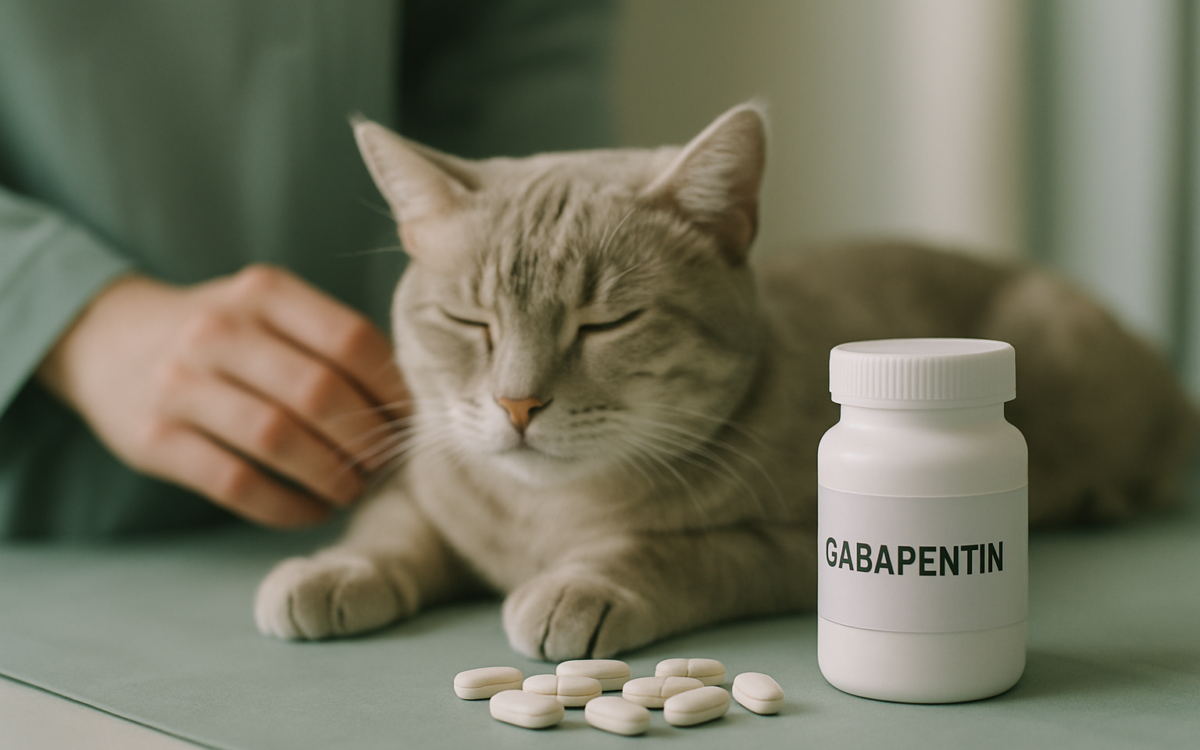
As a responsible pet owner, it’s crucial to understand what medications your cat may need at different stages of its life. One medication that has gained attention in recent years is gabapentin. Originally developed for managing nerve pain and seizures in humans, gabapentin is also used in veterinary medicine. This article will delve into how gabapentin is utilized for cats, its potential benefits, and key considerations for pet owners.
What is Gabapentin?
Gabapentin is an anticonvulsant medication that is primarily used to treat seizures in humans. However, veterinarians have adopted this medication for treating various conditions in animals, including cats. It functions by altering the way nerves send messages to the brain, effectively helping to reduce pain and anxiety.
When is Gabapentin Prescribed for Cats?
Veterinarians may prescribe gabapentin for several reasons, depending on the individual needs of the cat:
- Pain Management: Gabapentin is often used to manage chronic pain, particularly post-surgery or in conditions like arthritis.
- Anxiety Reduction: Cats can experience anxiety due to various factors, such as loud noises, travel, or changes in their environment. Gabapentin can help calm overly anxious cats, making stressful situations more manageable.
- Seizure Control: While less common in cats than dogs, some felines experience seizures. Gabapentin can be part of a broader treatment plan to stabilize their condition.
Benefits of Using Gabapentin for Cats
The use of gabapentin can significantly improve the quality of life for many cats. Here are some notable benefits:
- Effective Pain Relief: Many cats are adept at hiding their pain. Gabapentin can alleviate discomfort associated with injuries or chronic illnesses, encouraging more normal behavior.
- Reduction in Anxiety: For anxious cats, gabapentin can create a calmer state of mind, making it easier for them to cope with stressful triggers.
- Minimal Side Effects: When used alongside appropriate monitoring by a veterinarian, gabapentin is generally well-tolerated by most cats, though side effects can occur.
Possible Side Effects to be Aware Of
While gabapentin is often well-received, it’s essential for pet owners to be aware of potential side effects. These could include:
- Drowsiness or lethargy
- Loss of coordination or balance issues
- Gastrointestinal upset, such as vomiting
- Behavioral changes
If you notice any concerning symptoms or signs that your cat is unwell after starting gabapentin, consult your veterinarian immediately.
How to Administer Gabapentin to Your Cat
Gabapentin typically comes in tablet form or as a liquid suspension. Administering medication to cats can sometimes be challenging. Here are practical tips for giving gabapentin to your feline:
- With Food: Cats may accept their medication more readily if it’s given with a small amount of their favorite food.
- Using a Pill Popper: A pill popper can be helpful for directly delivering the medication to the back of your cat’s throat.
- Consistency is Key: Administering the medication at the same time each day can help establish a routine, making it easier for both you and your cat.
Always follow your veterinarian’s instructions regarding dosage and frequency.
Monitoring and Follow-Up Care
After starting gabapentin, regular follow-ups with your veterinarian are essential. They will monitor your cat’s response to the medication and make any necessary adjustments to the dosage. This follow-up care is vital for ensuring your cat receives the best possible treatment tailored to their needs.
When to See a Doctor
If your cat is prescribed gabapentin, it’s important to keep a close eye on their health. Contact your veterinarian if you notice:
- Unusual or severe side effects
- Worsening of your cat’s condition
- Changes in appetite or behavior
- Any signs of distress or discomfort
Your veterinarian can provide guidance on whether these changes warrant an immediate visit or adjustments to the treatment plan.
In summary, gabapentin can be an effective treatment option for managing pain and anxiety in cats. Understanding how it works, its potential benefits and side effects, and working closely with your veterinarian are critical for the effective use of this medication. For more information on gabapentin and other medications, consider exploring resources provided by reputable medical organizations such as the NIH and the Mayo Clinic.
