
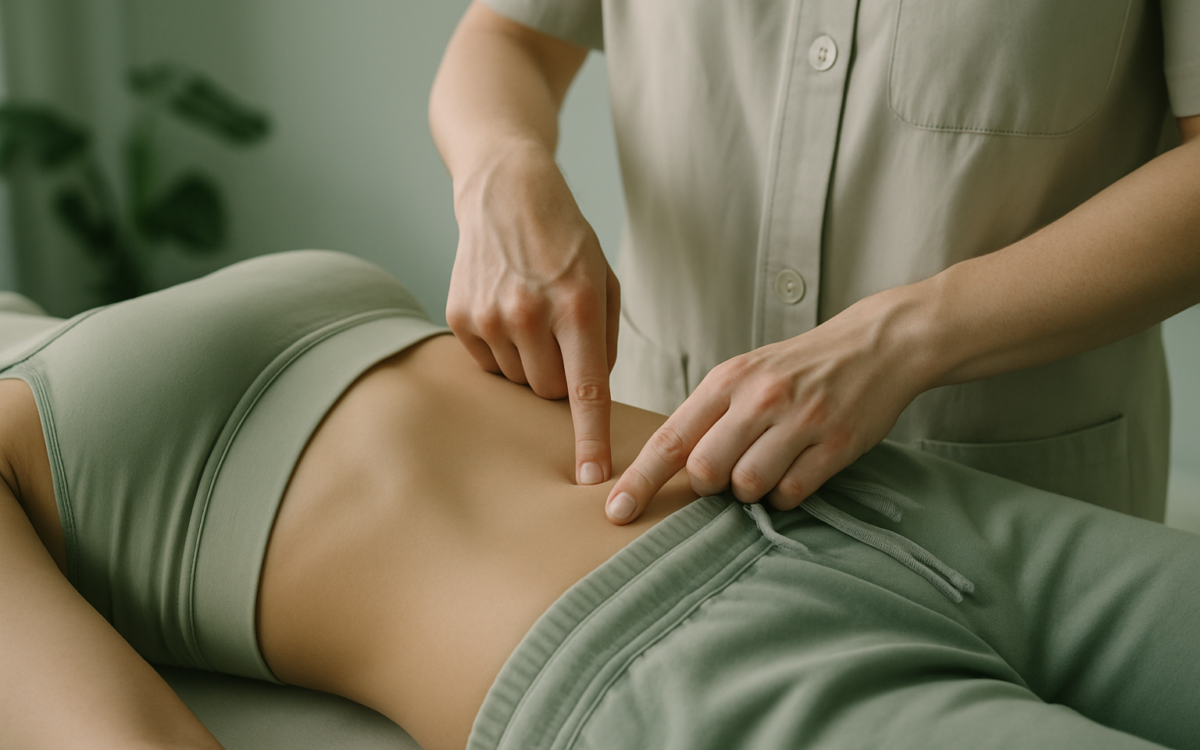
The transverse abdominis (TVA) is often referred to as the “corset muscle” of the abdomen, and for good reason. This deep abdominal layer plays a crucial role in supporting your spine, maintaining pelvic stability, and ensuring proper posture. Understanding the TVA’s functions and how to strengthen it can lead to better overall health and improved physical performance.
What is the Transverse Abdominis?
The transverse abdominis is the innermost layer of the abdominal muscles. Unlike the more visible rectus abdominis (commonly known as the “six-pack” muscle) and the obliques, the TVA lies horizontally beneath these layers. It wraps around your torso like a natural corset, providing support to your internal organs, spine, and lower back.
The Role of the Transverse Abdominis
The TVA serves several essential functions:
- Core Stability: It helps stabilize your spine during movements, allowing for better posture and balance.
- Injury Prevention: A strong TVA can reduce the risk of back pain and injuries by ensuring your spine is properly supported during physical activities.
- Pelvic Support: This muscle plays a vital role in maintaining pelvic alignment, which can aid in activities like lifting, running, and even everyday tasks.
How to Engage the Transverse Abdominis
Engaging your TVA correctly is key to reaping its benefits. Here’s how to do it:
- Breath Awareness: Begin by taking a deep breath in, allowing your abdomen to expand. As you exhale, gently pull your belly button in towards your spine. This action activates the TVA.
- Seated Engagement: Sit comfortably in a chair with your feet flat on the ground. Engage your TVA as described before, while maintaining a straight back.
- Quadruped Activation: Get on your hands and knees in a tabletop position. Exhale and draw your belly button in towards your spine, maintaining a neutral spine.
Exercises to Strengthen the Transverse Abdominis
Incorporating targeted exercises into your routine can greatly enhance the strength of your TVA. Here are a few effective exercises:
1. Plank
The plank is a classic core exercise that effectively engages the TVA. To perform it, follow these steps:
- Begin on your forearms and toes, keeping your body in a straight line from head to heels.
- Engage your TVA by pulling your belly button towards your spine.
- Hold the position for 20-60 seconds, making sure to breathe steadily.
2. Dead Bug
The dead bug exercise targets the TVA while promoting coordination. Here’s how to do it:
- Lie on your back with your arms extended towards the ceiling and knees bent at 90 degrees.
- As you exhale, lower your right arm and left leg towards the floor while keeping your lower back pressed into the ground.
- Return to the starting position and switch sides, repeating for 8-12 reps on each side.
3. Pelvic Tilt
The pelvic tilt is a gentle yet effective exercise for activating the TVA:
- Lie on your back with your knees bent and feet flat on the ground.
- As you exhale, gently tilt your pelvis upward, pressing your lower back into the floor.
- Hold for a few seconds, then release. Repeat for 10-15 reps.
Benefits of a Strong Transverse Abdominis
A strong TVA is associated with a wide range of benefits:
- Improved Stability: Strengthening this muscle enhances overall core stability, making activities like walking, running, or lifting easier and safer.
- Reduced Back Pain: By supporting the spine, a strong TVA can help alleviate and prevent back pain.
- Enhanced Athletic Performance: Athletes who engage their TVA often see improvements in strength, power, and endurance.
- Better Posture: Proper TVA engagement can help improve posture, reducing the risk of slouching or developing spinal issues.
Common Mistakes When Training the Transverse Abdominis
Even though training the TVA may seem straightforward, several common mistakes can hinder your progress:
- Holding Your Breath: Many people forget to breathe while engaging their TVA. Remember to inhale and exhale steadily during exercises.
- Relying on Surface Muscles: Focus on proper engagement rather than just activating the superficial muscles. This ensures that you’re effectively targeting the TVA.
- Forgetting to Stabilize: Always make sure to maintain proper body alignment during exercises to avoid straining other muscles.
When to See a Doctor
If you experience persistent back pain, difficulty with core stability, or other unusual symptoms, consider consulting a healthcare professional for guidance. Issues related to the TVA can sometimes indicate underlying problems that may require medical attention.
Conclusion
Understanding and strengthening the transverse abdominis is essential for a well-functioning core. By engaging this powerful muscle, not only can you improve your posture and stability, but also enhance overall physical performance. Incorporate TVA-strengthening exercises into your routine and enjoy the benefits of a strong core.
