
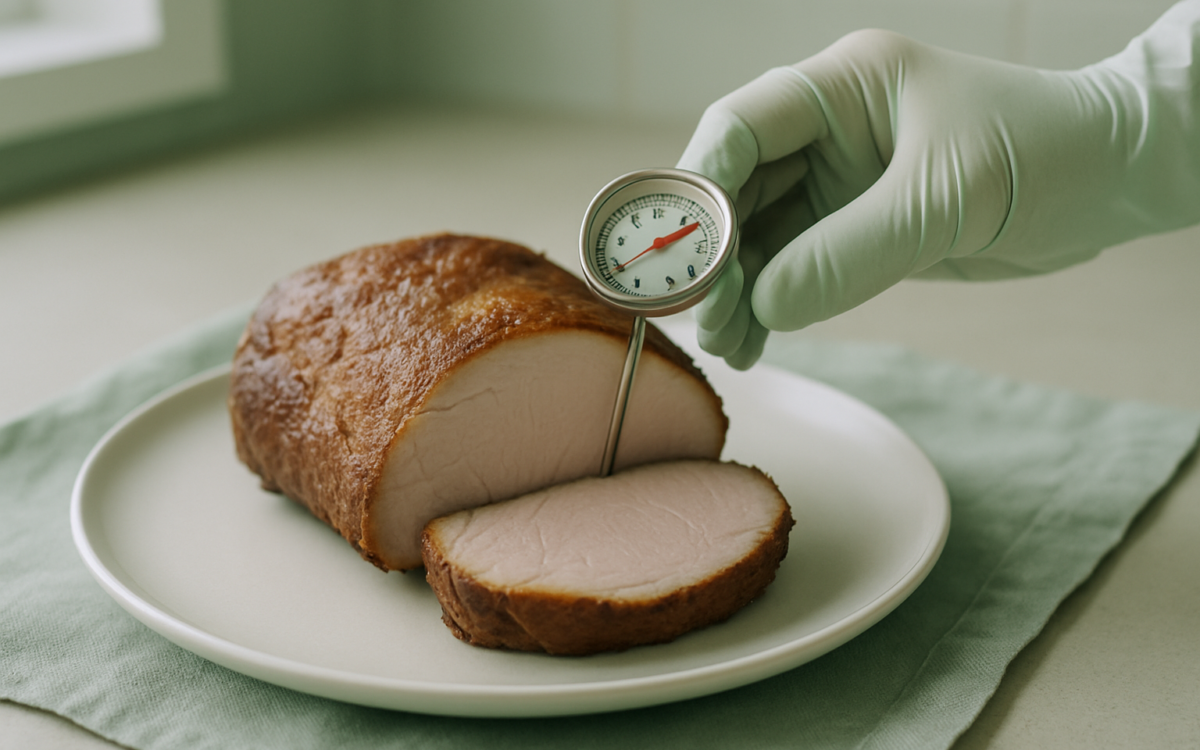
Cooking pork can be a delightful experience, bringing flavorful dishes to your table. However, it’s crucial to understand the internal temperature of pork to ensure safety and quality. Knowing the right temperature eliminates the risk of foodborne illnesses and enhances the meat’s flavor and tenderness.
The Importance of Cooking Pork to the Right Temperature
Pork is a versatile meat that can be prepared in various ways, from roasting and grilling to braising and frying. However, cooking pork to the proper internal temperature is vital. Undercooked pork can harbor harmful bacteria such as Salmonella and Trichinella, which can lead to serious health issues. According to the USDA Food Safety and Inspection Service, ensuring pork reaches the correct internal temperature significantly reduces this risk.
Recommended Internal Temperatures for Pork Cuts
Different cuts of pork require different cooking temperatures. Here’s a quick guide:
- Pork Chops: 145°F (with a 3-minute rest time)
- Pork Tenderloin: 145°F (with a 3-minute rest time)
- Pork Ribs: 145°F (may be cooked longer for tenderness)
- Ground Pork: 160°F
By adhering to these temperature guidelines, you ensure that your pork dishes are safe and enjoyable.
The Science Behind the Temperature
The recommended internal temperature for pork may seem surprising, especially since many people were raised being told to cook it thoroughly. This lower temperature is based on scientific research conducted by food safety experts. The USDA recommends cooking whole cuts of pork to 145°F to achieve a tender, juicy product. The important part is allowing the meat to rest for at least three minutes after cooking. This resting time lets the juices redistribute, resulting in a better texture and more flavor.
Using a Food Thermometer
A reliable food thermometer is essential for checking the internal temperature of pork accurately. Here are some tips on how to use one effectively:
- Insert the thermometer into the thickest part of the meat, avoiding bone or fat, which can give inaccurate readings.
- Wait for a few seconds until the temperature stabilizes before reading it.
- For ground pork, check in multiple places to ensure even cooking.
Using a thermometer takes the guesswork out of cooking pork and gives you peace of mind regarding safety.
How to Ensure Your Pork is Delicious and Safe
Along with cooking to the right temperature, consider additional steps to enhance the flavor and safety of your pork:
- Marination: Marinating pork not only adds flavor but can also help reduce the risk of bacteria, as many marinades contain acidic ingredients that inhibit bacterial growth.
- Proper Thawing: Always thaw frozen pork in the refrigerator or microwave—never at room temperature. This helps prevent bacteria from multiplying.
- Cross-Contamination Prevention: Use separate cutting boards for raw meat and other foods to avoid cross-contamination.
These practices in the kitchen contribute to enjoying safer, tastier meals.
When to See a Doctor
If you experience symptoms such as stomach cramps, diarrhea, or vomiting after consuming pork, it’s important to consult a healthcare professional. These could be signs of foodborne illness that may require medical attention.
Conclusion
Cooking pork to the correct internal temperature is essential for both safety and taste. By understanding what temperature to aim for and employing effective food safety practices, you can confidently enjoy delicious pork dishes. Whether grilling, roasting, or frying, making informed choices in your cooking can help keep you and your family healthy and satisfied.
