
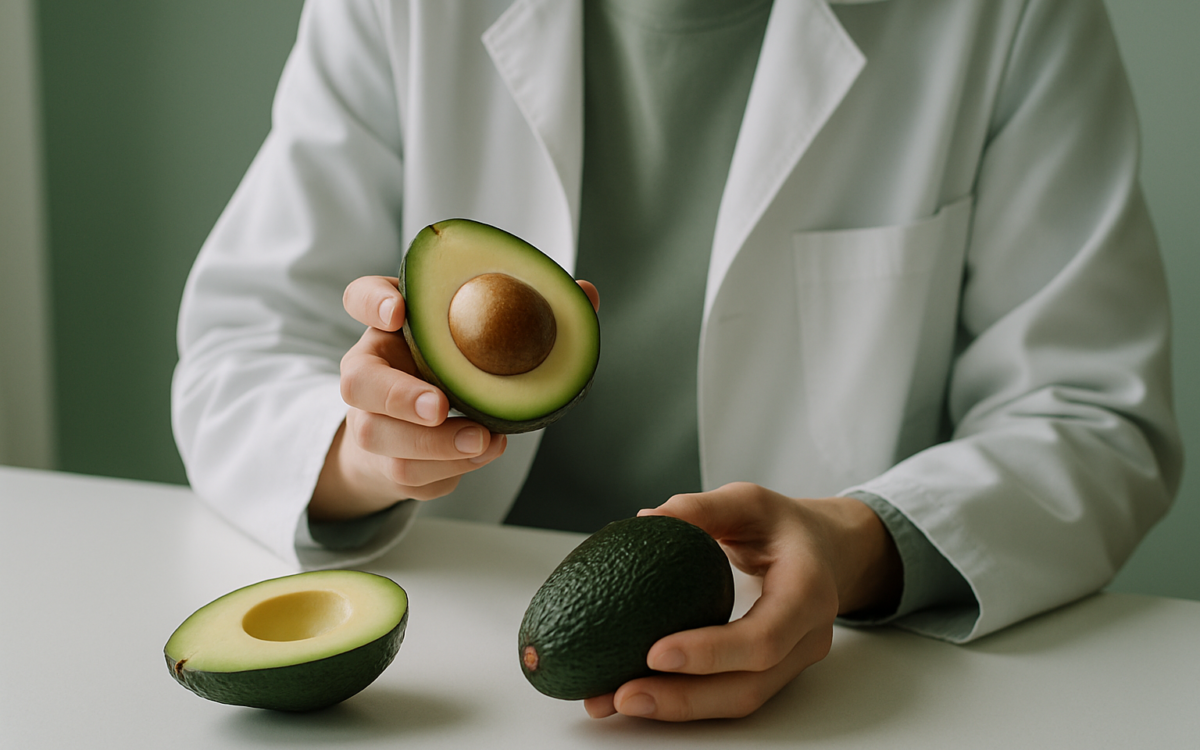
Avocados have taken the culinary world by storm, appearing in everything from guacamole to smoothies. However, there’s an interesting question that often comes up: is avocado a fruit? It might seem like a simple answer, but avocados spark a lively debate among food enthusiasts, nutritionists, and botanists alike. Join us as we peel back the layers of this magnificent green fruit to explore its classification, nutritional benefits, and culinary uses.
The Botany of Avocados
To answer the question of whether avocados are fruits, we first need to understand a bit about botany. In scientific terms, a fruit is the mature ovary of a flowering plant, usually containing seeds. According to the National Institutes of Health, fruits develop from the fertilized ovary of a flower and serve to protect and disperse seeds.
By this definition, avocados fit the bill perfectly; they develop from the ovary of an avocado flower and contain a seed. Therefore, in the botanical world, avocados are indeed classified as fruit. Specifically, they are classified as a type of berry called a “drupe,” which features a fleshy fruit surrounding a single hard seed.
Nutritional Benefits of Avocado
Besides the intriguing botanical classification, avocados are celebrated for their nutritional profile:
- Monounsaturated fats: Avocados are rich in healthy fats, particularly monounsaturated fats, which can help reduce bad cholesterol levels and lower the risk of heart disease.
- Vitamins and minerals: These fruits are packed with essential nutrients, such as vitamins K, E, C, and B6, as well as potassium, which is vital for heart health and managing blood pressure.
- Fiber: Avocados are an excellent source of dietary fiber, contributing to digestive health and promoting a feeling of fullness, which can be beneficial for weight management.
- Antioxidants: They contain various antioxidants, including lutein and zeaxanthin, which promote eye health and may help lower the risk of age-related macular degeneration.
How to Use Avocado in Your Diet
Another reason for the avocado’s popularity? Its versatility in the kitchen! Here are some delicious ways to incorporate avocados into your meals:
- Guacamole: A classic and a favorite for many! Simply mash ripe avocados and mix them with diced tomatoes, onions, lime juice, and spices for a flavorful dip.
- Salads: Sliced or diced avocados can add a creamy texture to salads, elevating both flavor and nutritional value.
- Smoothies: Avocados can make smoothies creamier without adding much sugar. Blend them with fruits like banana or spinach for a nutritious breakfast.
- Toast: Spread mashed avocado on whole-grain toast, topped with seeds, nuts, or even a poached egg for a satisfying meal.
The Avocado Craze and Health Concerns
The avocado has become a social media sensation and health food favorite, but it’s not just a trend. Research has shown that regular avocado consumption may have a positive impact on heart health and overall wellness. However, like any food, there are some considerations:
- Calories: While avocados are nutritious, they are also high in calories. Moderation is key, as eating them excessively can lead to unintended weight gain.
- Allergies and intolerances: Some people may experience allergies or intolerances to avocados. If you experience any adverse reactions, consult with a healthcare professional.
Environmental Impact and Sustainability
With increasing demand for avocados, there are growing concerns about their environmental impact. The rise in avocado consumption, particularly in regions like California and Mexico, raises questions about water usage and land degradation. As consumers, it’s essential to buy avocados from sustainable sources whenever possible. This not only helps lower your carbon footprint but also supports ethical farming practices that benefit local communities.
When to See a Doctor
If you experience any unusual symptoms after consuming avocado, such as skin reactions or digestive issues, it may be best to consult a healthcare provider. It’s important to ensure that you do not have an allergy or intolerance. Additionally, if you have specific health conditions or dietary restrictions, discussing your avocado intake with your doctor is advisable.
Conclusion
So, is avocado a fruit? Absolutely! This delicious berry is not just a nutritional powerhouse; it’s versatile and delightful in a variety of dishes. Whether you enjoy it in guacamole or as an ingredient in smoothies, avocados offer numerous health benefits that are hard to ignore. As you savor your next avocado, you may appreciate its unique place in both the vegetable and fruit categories—truly a delightful fruit of the culinary world!
