
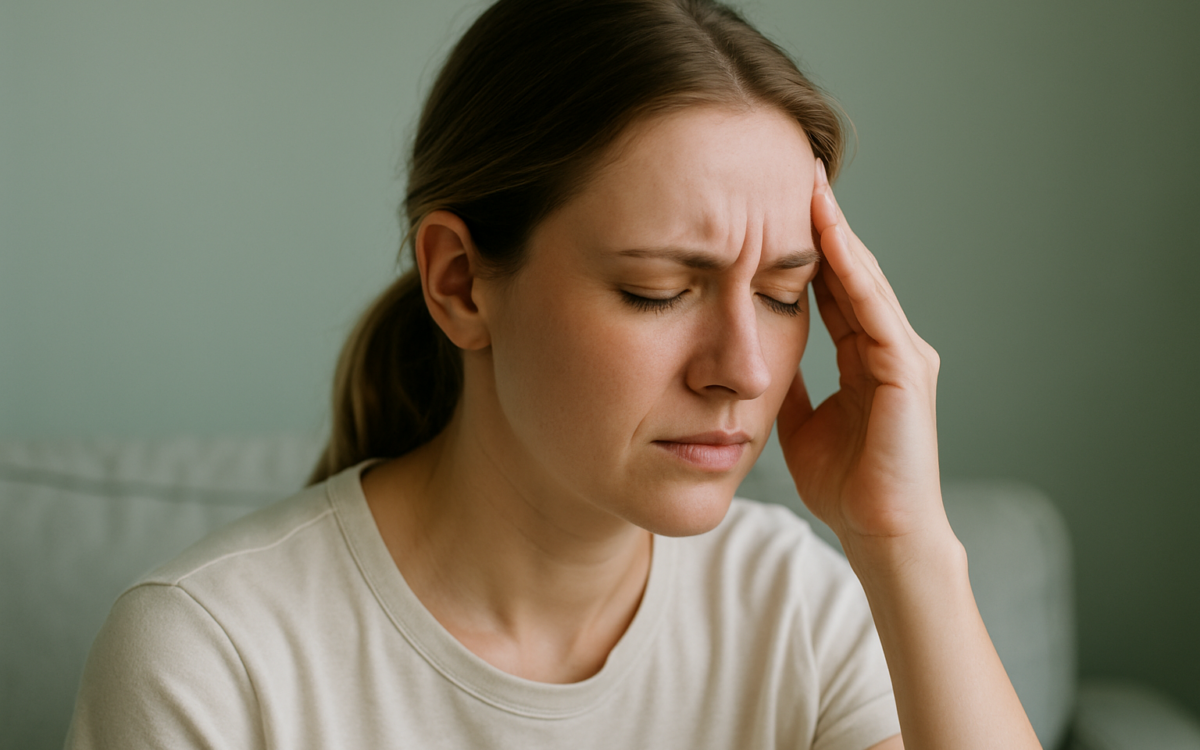
Headaches can be an annoying part of daily life, and when you feel a throbbing or aching pain on the right side of your head, it can be particularly concerning. Understanding the potential causes of a right-sided headache, along with effective management strategies, can help you find relief and take control of your health.
Common Causes of Right-Sided Headaches
Headaches can arise from various factors, and a headache on the right side of the head might be linked to a few specific conditions. Here are some common causes:
- Migraines: These are intense headaches often occurring on one side of the head. Migraines can be accompanied by nausea, sensitivity to light, and visual disturbances, and many people find that the pain can be debilitating. Studies suggest that migraines can also have a genetic component, making them more likely to occur in individuals with a family history.
- Tension headaches: Often described as a tight band around the head, tension headaches can be caused by stress, poor posture, or muscle strain. Although they typically affect both sides of the head, some people may experience discomfort more on one side.
- Cluster headaches: These are extremely painful headaches that occur in clusters, often affecting one side of the head, typically around the eye. They can be accompanied by other symptoms like a watery eye or nasal congestion on the affected side.
- Sinusitis: Inflammation of the sinuses, often due to infection, can cause pain on the right side of the head, particularly if the right sinus cavity is affected. Symptoms may include facial pressure, nasal congestion, and fever.
- Neck issues: Sometimes, discomfort stemming from the neck or upper back can manifest as headaches on one side of the head. This can be due to muscle tension or nerve compression.
Identifying Symptoms
The symptoms that accompany your headache can provide clues about its underlying cause. Here are some common symptoms associated with right-sided headaches:
- Pain Quality: Migraines typically present as throbbing, while tension headaches may feel more like a steady ache.
- Location: Note where the pain is concentrated; migraines often affect one area, whereas tension headaches may present as a band-like sensation.
- Accompanying Symptoms: Pay attention to nausea, vomiting, light sensitivity, or aura experiences, which can indicate a migraine.
Home Remedies for Relief
While determining the cause of your right-sided headache is important, there are also several home remedies that might help alleviate pain:
- Apply a cold or hot compress: Cold treatments can numb the pain, while heat may help relax tense muscles. Try both to see which works for you.
- Stay hydrated: Dehydration can trigger headaches, so make sure you are drinking enough water throughout the day.
- Practice relaxation techniques: Deep breathing, yoga, or meditation can help reduce stress-related tension headaches.
- Maintain a balanced diet: Ensure you’re eating regular meals and including various nutrients, as hunger and deficiencies can contribute to headaches.
- Regular sleep schedule: Prioritize good sleep hygiene. Insufficient or excessive sleep can trigger headaches.
When to Consider Medication
If home remedies do not provide relief, over-the-counter medications such as ibuprofen or acetaminophen may be effective for managing pain. However, it’s important to use these medications sparingly and not to exceed the recommended dosage as overuse can lead to rebound headaches.
Additionally, for chronic or severe headaches, prescription medications might be necessary. Always consult your doctor before starting any new medication, especially if you have existing health conditions or are taking other treatments.
Preventive Strategies
Preventing headaches often involves identifying and avoiding triggers. Here are some effective strategies:
- Keeps a headache diary: Track the timing, duration, and intensity of your headaches, along with any associated symptoms or triggers. This can help identify patterns.
- Manage stress: Utilizing techniques such as mindfulness, exercise, and hobbies may help relieve stress, which can be a significant headache trigger.
- Regular physical activity: Engaging in regular exercise boosts overall health, improves mood, and can help reduce headache frequency.
- Avoid known triggers: Certain foods, drinks, or lifestyle factors may trigger headaches for some people. Common triggers include alcohol, caffeine, and processed foods.
When to See a Doctor
While most headaches are benign, certain symptoms may warrant professional evaluation. You should consult a doctor if:
- The headache is sudden and severe.
- You experience neurological symptoms such as vision changes, weakness, or difficulty speaking.
- The headache is accompanied by high fever, rash, or confusion.
- You notice a change in the pattern or frequency of your headaches.
Conclusion
Headaches on the right side of your head can have various causes, from common tension headaches to more severe conditions like migraines. Understanding your symptoms and employing effective home remedies can help manage your pain. However, never hesitate to consult a healthcare professional if you have concerns about your headaches or if they begin to interfere with your daily life. Your health is important, and timely intervention can make a significant difference.
