
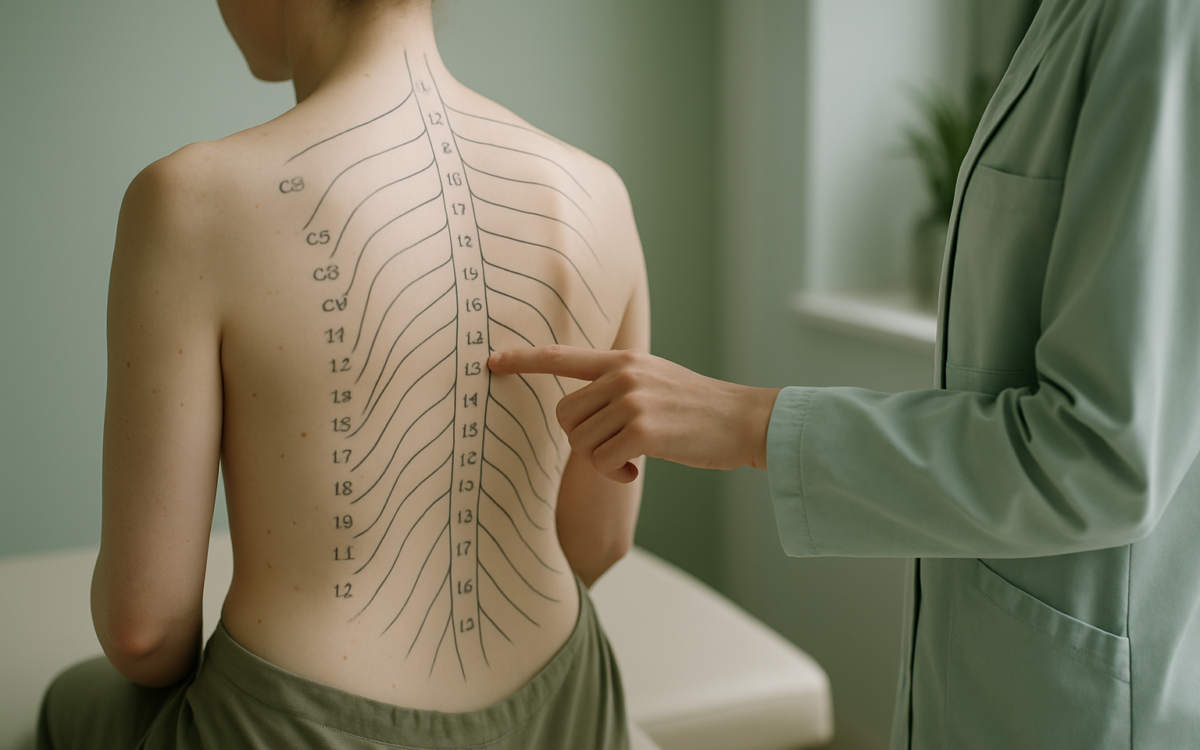
The human body is a fascinating network of systems that work together to keep us functioning optimally. One critical but often overlooked aspect of this system is the dermatome map, a vital tool in understanding how our skin and nerves interact. Whether you’ve experienced unusual sensations or pain, knowing about the dermatome map can help explain what’s happening beneath the surface.
What Is a Dermatome Map?
A dermatome map is a visual representation of the areas of skin that are supplied by specific spinal nerves. Think of it as a map of the body’s outer skin, with regions marked according to which nerve root provides sensation to them. Each spinal nerve corresponds to a dermatome, and this organization helps doctors identify the location of nerve injuries and conditions.
Why Are Dermatomes Important?
Understanding dermatomes is essential for several reasons:
- Diagnosing Pain: If a patient feels pain or discomfort in a specific skin area, doctors can refer to the dermatome map to determine which nerve may be implicated. This information can lead to a more accurate diagnosis.
- Understanding Nerve Damage: Nerve damage from conditions such as shingles or diabetes can be linked to specific dermatomes. Identifying affected areas helps tailor treatment strategies.
- Planning Treatments: Treatments like nerve blocks or certain surgeries may target specific dermatomes. Knowing the map helps specialists plan interventions effectively.
How to Read a Dermatome Map
Dermatomes are typically illustrated on a diagram that shows the body in an anatomical view. The cervical, thoracic, lumbar, and sacral regions are labeled, with different colors representing each dermatome area. Here’s a brief overview:
- Cervical Dermatomes: These cover the upper back, shoulders, arms, and parts of the hands.
- Thoracic Dermatomes: These regions encompass the chest and upper abdomen.
- Lumbar Dermatomes: These involve the lower back and parts of the legs.
- Sacral Dermatomes: These connect with the buttocks, the genital area, and the backs of the legs.
When you look at a dermatome map, it becomes clear how interconnected our nervous system is. Areas connected to the same spinal nerve often feel similar sensations; hence, mapping them helps us understand and troubleshoot health issues.
Common Conditions Related to Dermatomes
Many medical conditions can be linked to specific dermatomes. Here are a few relevant examples:
- Shingles: This viral infection causes painful rashes that often follow a dermatome, which helps in diagnosing the condition.
- Herniated Discs: A herniated disc can irritate nearby spinal nerves, leading to pain and altered sensation in the corresponding dermatome.
- Neuropathy: Diabetes and other health issues can result in nerve damage, affecting the sensation across particular dermatomes.
Identifying the pattern of pain or altered sensation linked to dermatomes can greatly benefit healthcare providers in managing these conditions.
International Perspectives on Treatment
Understanding dermatomes is not only beneficial for diagnosis; it also plays a significant role in treatment considerations globally. For instance, patients seeking advanced nerve treatment in Turkey can explore various clinics specializing in pain management and nerve regeneration. Their global healthcare approach often combines traditional and innovative therapies, making it essential for patients to understand their conditions fully.
When to See a Doctor
If you are experiencing unusual or persistent pain, numbness, or tingling in your skin, it is wise to consult a doctor. These symptoms can indicate nerve problems that might need further investigation. Early diagnosis and treatment can help prevent more serious complications.
Conclusion
The dermatome map is a powerful tool in the landscape of human health, linking skin sensations to specific spinal nerves. By understanding how dermatomes function, you become more equipped to discuss potential issues with your healthcare provider. Remember, if you notice changes in your skin sensations or experience pain, seeking medical advice is crucial.
