
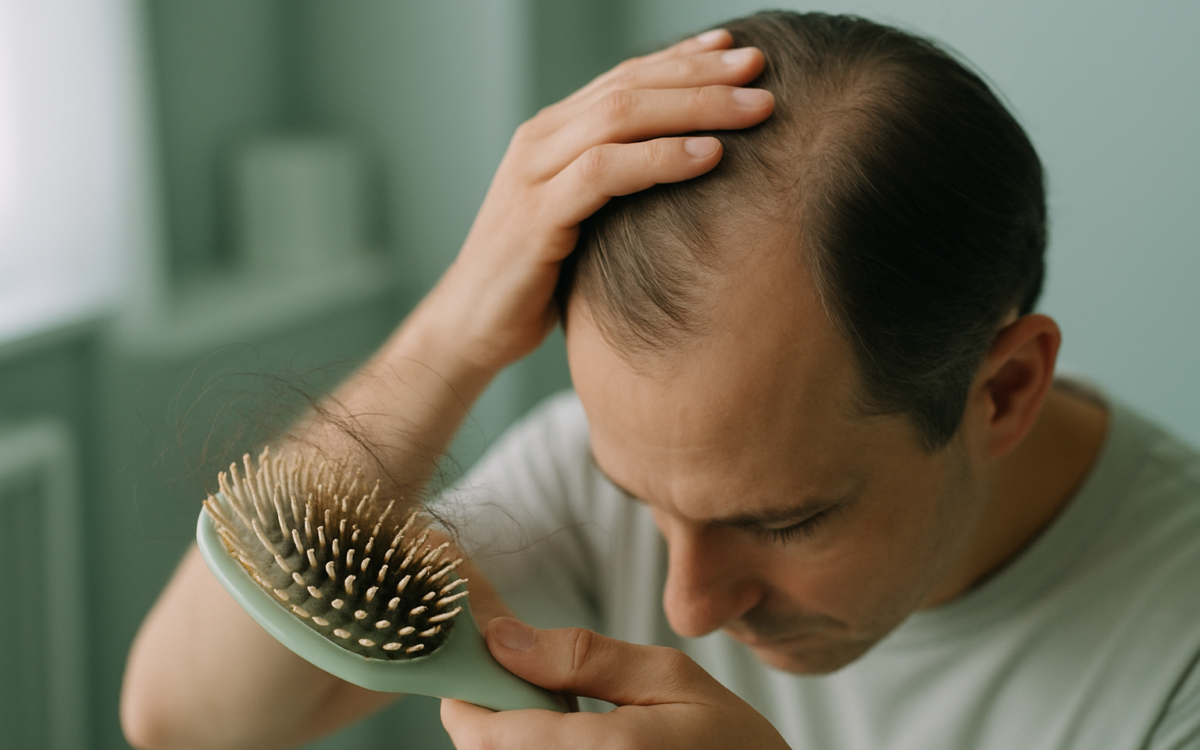
Experiencing hair loss can be alarming, especially when it seems to happen all at once. One common form of hair loss is known as telogen effluvium, which can affect both men and women. This condition occurs when a significant number of hair follicles prematurely enter the resting phase of the hair growth cycle, leading to noticeable shedding. In this article, we will dive into the causes, symptoms, and management of telogen effluvium to help you understand and cope with this condition.
What is Telogen Effluvium?
Telogen effluvium is a type of hair loss that occurs when the hair follicles transition into the telogen phase of the hair growth cycle. Under normal circumstances, hair grows in cycles: anagen (growing phase), catagen (transition phase), and telogen (resting phase). When a large number of hairs enter the telogen phase at once, it can result in noticeable hair thinning and shedding, usually occurring several weeks after a triggering event.
Causes of Telogen Effluvium
This condition can be triggered by various factors, some of which may be unexpected. Below are some common causes of telogen effluvium:
- Physical or Emotional Stress: Significant stress from life events, such as illness, surgery, or the loss of a loved one, can contribute to this condition.
- Hormonal Changes: Hormonal fluctuations due to pregnancy, childbirth, or menopause can affect hair growth cycles.
- Nutritional Deficiencies: Lack of essential nutrients like iron, vitamin D, or protein can lead to hair loss.
- Medication: Some medications, including those for blood pressure and chemotherapy, may cause hair follicles to enter the telogen phase.
- Thyroid Disorders: Conditions that affect the thyroid can also impact hair health and growth.
Symptoms to Look For
The primary symptom of telogen effluvium is excessive hair shedding. Here are some signs to watch for:
- Noticeable hair thinning or patches on the scalp
- Increased hair falling out when washing or brushing
- Fuller hairbrushes or more hair strands found on pillows
- Hair shedding that becomes apparent over a period of time rather than sudden bald patches
The Hair Growth Cycle
To better understand telogen effluvium, it helps to comprehend the hair growth cycle. Typically, each hair follicle goes through three phases:
Anagen Phase
This is the growing phase where hair can last for several years. The longer the anagen phase, the longer the hair grows.
Catagen Phase
This transitional phase lasts a few weeks, during which the hair follicle shrinks and detaches from the hair shaft.
Telogen Phase
During this resting phase, which lasts around 2-3 months, the hair remains in the follicle until it is eventually shed. In telogen effluvium, an increased number of follicles enter this phase, leading to noticeable hair loss.
How to Manage Telogen Effluvium
If you are experiencing telogen effluvium, there are some steps you can take to manage your hair health effectively:
- Nourish Your Body: Focus on a balanced diet rich in vitamins and minerals that promote hair health, such as iron, zinc, and biotin.
- Reduce Stress: Practice stress management techniques such as yoga, meditation, or mindfulness to help lower stress levels that might be triggering your hair loss.
- Gentle Hair Care: Use mild shampoos and avoid harsh treatments that can further damage your hair. Brushing gently and opting for low-heat styling tools can minimize strain on your hair.
- Consult a Professional: If hair loss persists or worsens, it may be helpful to seek advice from a healthcare professional. They can help identify potential underlying issues and discuss appropriate treatments.
When to See a Doctor
If you notice significant hair loss that lasts longer than six months, or if it’s accompanied by other symptoms such as itching, redness, or scalp irritation, it may be time to consult a medical professional. They can help narrow down the cause and assist with an appropriate treatment plan. For reliable information and resources, visit the NIH or the Mayo Clinic.
Conclusion
Understanding telogen effluvium can help demystify the experience of hair loss and guide you toward effective management strategies. While it can be distressing, remember that this type of hair loss is usually temporary. Keeping a balanced diet, reducing stress, and consulting with health professionals are key steps in navigating this condition. Stay informed, and take charge of your hair health.
