
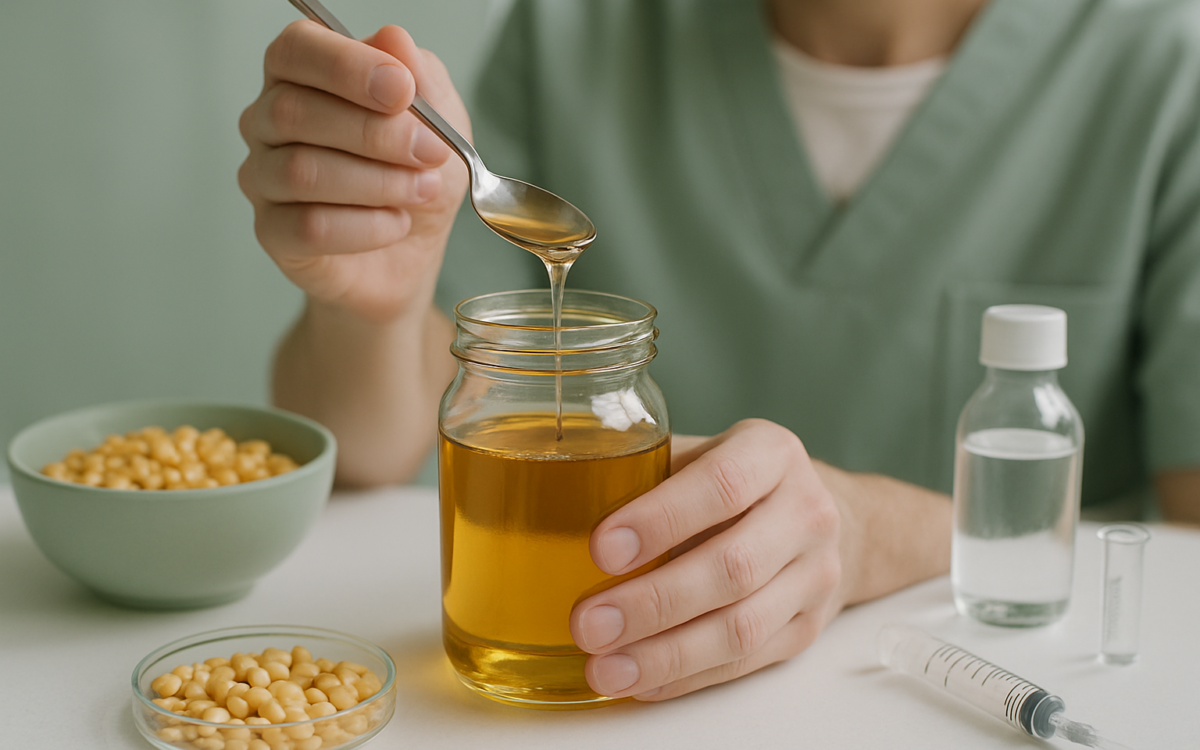
Mais syrup, made from the sap of the maize plant, is a lesser-known but fascinating natural sweetener. While many people are familiar with maple syrup, mais syrup offers its own unique flavor profile and health benefits. In this article, we’ll delve into what mais syrup is, its nutritional value, potential uses in cooking, and considerations for incorporating it into your diet.
What is Mais Syrup?
Mais syrup is a sweet, viscous liquid harvested from the sap of maize, or corn, plants. This syrup has been used in various cultures for centuries, particularly in regions where corn is a staple crop. It’s not just a sweetener; it retains some of the nutrients found in corn, making it a potential alternative to refined sugars.
Nutritional Benefits of Mais Syrup
One of the reasons mais syrup is gaining attention is its nutritional content. While it is still a form of sugar and should be consumed in moderation, it has several potential benefits compared to traditional sweeteners:
- Vitamins and Minerals: Mais syrup contains small amounts of essential nutrients such as vitamin C, calcium, and potassium, contributing to your daily intake.
- Antioxidants: The syrup possesses antioxidant properties, which may help combat oxidative stress in the body. Studies show that antioxidants play an important role in reducing inflammation and the risk of chronic diseases ([NIH](https://www.ncbi.nlm.nih.gov/)).
- Lower Glycemic Index: Some sources suggest that mais syrup has a lower glycemic index compared to refined sugars. This can be beneficial for those watching their blood sugar levels.
How to Use Mais Syrup in Cooking
The versatility of mais syrup allows it to be used in various cooking and baking applications:
- As a Sweetener: Use mais syrup as a direct substitute for sugar in your favorite recipes. It works well in cookies, cakes, and even salad dressings.
- In Beverages: Mais syrup can add a unique sweetness to beverages such as cocktails, teas, or smoothies.
- Marinades and Sauces: Incorporate it into marinades for meats and vegetables to add depth of flavor alongside sweetness.
Health Considerations
While mais syrup boasts several benefits, there are also important considerations to keep in mind:
- Caloric Content: Although it may contain some nutrients, mais syrup is still high in calories and should be used sparingly.
- Allergies: If you have a corn allergy, it’s best to avoid mais syrup entirely.
- Consulting with Your Doctor: Before making significant changes to your diet, especially if you have underlying health conditions such as diabetes, speak to your healthcare provider for personalized advice.
Environmental Impact of Mais Syrup Production
While discussing mais syrup, it’s vital to consider its production and sustainability. Often, maize is regarded as a more sustainable crop compared to sugarcane, particularly in regions where it is indigenous.
In addition to providing a natural sweetener, maize cultivation can support local economies and agricultural practices. Sustainable farming may reduce the carbon footprint associated with traditional sweeteners. However, ensure that the mais syrup you purchase is sourced from responsible growers to support environmental standards and practices.
Popular Myths About Mais Syrup
As more people become aware of mais syrup, several myths have emerged. Let’s address some common misconceptions:
- Mais Syrup is Healthier than All Sugars: While it may have some nutritional benefits, it is still a sugar and should be consumed with caution.
- Mais Syrup is Safe for Everyone: Those with corn allergies should avoid it, and individuals with specific health conditions should consult their doctors.
When to See a Doctor
If you experience an allergic reaction or any adverse effects after consuming mais syrup, seek medical attention immediately. Additionally, if you have concerns about integrating mais syrup or other sweeteners into your diet, especially if you have diabetes or other health issues, consulting with a healthcare professional is advisable.
To learn more about sweeteners and dietary guidelines, refer to reputable sources such as the World Health Organization and the Centers for Disease Control and Prevention.
In conclusion, mais syrup is a charming addition to the world of natural sweeteners. Its unique flavor, combined with nutritional benefits, makes it an intriguing option for those looking to diversify their diet. As always, enjoying it in moderation and staying informed can help you make the best choices for your health.
