
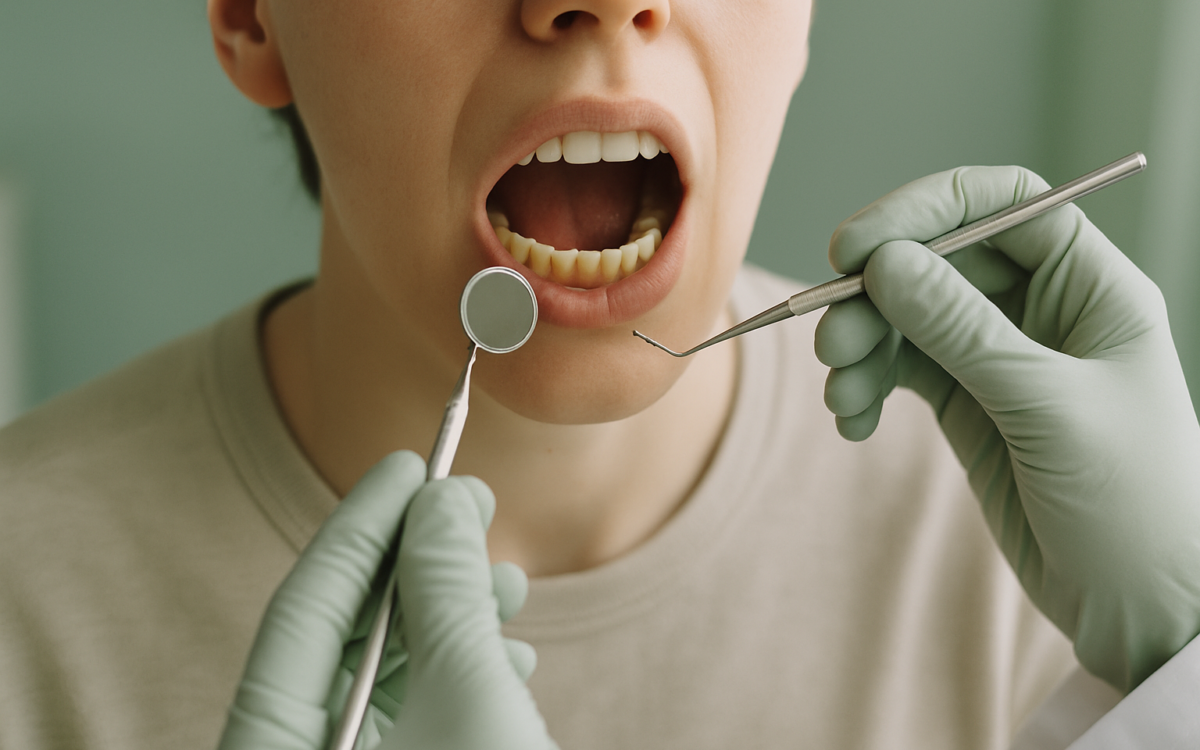
When it comes to our teeth, many of us may not give much thought to the total number we possess. However, understanding how many teeth adults have can reveal insights into our dental health and the body’s aging process. The typical adult mouth houses a set of teeth that is crucial for chewing food, speaking clearly, and maintaining facial structure. Let’s dive into the world of adult teeth and discover what to expect as we get older.
The Average Number of Adult Teeth
Most adults have a total of 32 teeth, which includes:
- 8 incisors (4 on the top and 4 on the bottom)
- 4 canines (2 on the top and 2 on the bottom)
- 8 premolars (4 on the top and 4 on the bottom)
- 12 molars (6 on the top and 6 on the bottom, including 4 wisdom teeth)
This arrangement is typical, but variations can occur based on individual circumstances. Some adults may have fewer teeth due to various factors such as genetics, dental health practices, or extractions.
Wisdom Teeth: The Extra Set of Teeth
Among the 32 teeth, the last four molars are known as wisdom teeth. They typically emerge in the late teens or early twenties. However, not everyone develops wisdom teeth, and some people may have them removed due to issues like crowding or impaction. Wisdom teeth can significantly affect the total tooth count in adults, with some individuals having them extracted, leading to a total of only 28 teeth.
It’s essential to have regular dental check-ups to monitor the status of your wisdom teeth and assess any potential need for removal. Keeping track of your wisdom teeth can help prevent unwanted complications later on.
Factors That Affect Tooth Count
A variety of factors can influence how many teeth an adult has, including:
- Tooth Loss: Factors such as decay, gum disease, or trauma can lead to tooth loss. According to the CDC, nearly half of American adults aged 30 and older show signs of periodontal disease, which is a major contributor to tooth loss.
- Age: As people age, their risk of tooth loss increases. Changes in oral health and hygiene habits can contribute to this decline.
- Genetics: Some individuals may have a genetic predisposition to certain dental conditions affecting tooth count, such as congenital absence of teeth.
- Dental Hygiene Practices: Good oral care, including regular brushing, flossing, and dental visits, plays a crucial role in maintaining the health of your teeth.
Even if you have fewer than 32 teeth, it is possible to maintain excellent oral health with the right care routine.
International Perspectives on Dental Health
Globally, dental health varies widely based on factors including diet, access to dental care, and cultural practices. Some countries have higher incidences of dental issues due to diet and lifestyle, leading to variations in tooth loss and the average number of retained teeth among adults. In many cases, international treatment seeks to address these dental health disparities effectively. For those interested in seeking advanced care, institutions offering international patient services can provide access to specialized dental treatments tailored for various needs.
What to Expect in the Aging Process
As we grow older, dental care becomes increasingly important. While aging can bring about changes in dental health, a proactive approach can help you keep your teeth intact:
- Regular Check-Ups: Visiting your dentist regularly is the best way to keep track of your dental health.
- Healthy Eating: A balanced diet rich in vitamins and minerals is essential for strong teeth and gums.
- Hydration: Staying hydrated helps maintain saliva flow, which plays a crucial role in oral health.
- Quit Smoking: Tobacco use significantly increases the risk of gum disease and tooth decay.
Being proactive in your dental care can preserve your teeth and overall oral health as you age.
When to See a Doctor
It’s essential to consult a dentist if you experience any of the following:
- Increased tooth sensitivity
- Chronic toothache or gum pain
- Swelling or bleeding in the gums
- Changes in bite or difficulty chewing
- Loose or shifting teeth
These symptoms can be signs of serious dental issues that require professional evaluation and care.
In conclusion, understanding how many teeth adults typically have—and the factors affecting this number—can inspire better dental health habits. Knowledge about our teeth empowers us to maintain a vibrant, healthy smile.
