
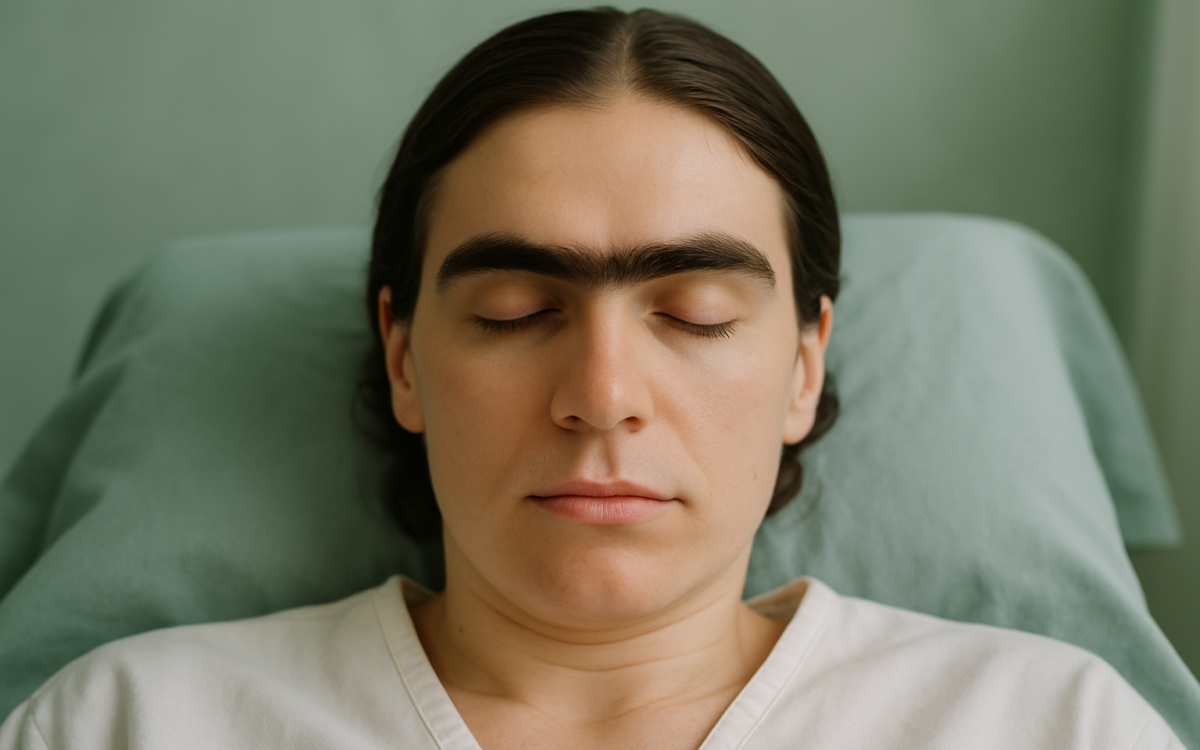
The unibrow, also known as a monobrow, has sparked conversation for ages. Some people embrace the look, while others look for ways to remove or alter it. Understanding the nuances around unibrows requires more than just a glance; it involves culture, history, and personal choice. Let’s dive into the unibrow phenomenon, exploring its significance and various ways to manage it.
What is a Unibrow?
A unibrow occurs when the hairs between the eyebrows grow connected, creating a singular line of hair across the forehead. This hair growth is perfectly normal and is primarily influenced by genetics. Some people have more hair in this area due to their ancestry, while others may have sparse growth.
Historical and Cultural Perspectives
Throughout history, beauty standards have varied greatly. In some cultures, a unibrow is seen as a sign of beauty, wisdom, or even fertility. For example, in ancient Greece, prominent eyebrows were associated with strength and intelligence. Similarly, in other parts of the world, unibrows were viewed as attractive, indicating a strong character.
Conversely, in Western cultures, many consider a unibrow less appealing, linking it to an unkempt appearance. This perception has led to various trends in eyebrow grooming that aim to create a more arched look. However, there’s a growing movement advocating for acceptance of natural beauty, pushing back against conventional standards.
Why Do Some People Choose to Remove Their Unibrow?
Deciding to remove a unibrow is a personal choice often based on individual comfort and societal influences. Even if some embrace their unibrow, others may feel pressure to conform to traditional beauty standards. Here are some common reasons why someone might consider removing their unibrow:
- Self-image: For many, a unibrow may impact self-esteem and confidence.
- Social acceptance: Some might feel that fitting in with societal beauty standards is important.
- Personal preference: Some simply prefer the aesthetics of separated eyebrows.
Methods for Managing a Unibrow
If you’ve opted to address your unibrow, there are several techniques to consider. None of these methods are permanent, and what works best can depend on skin type, budget, and personal preference.
1. Tweezing
Tweezing involves using a pair of tweezers to remove individual hairs. It’s a cost-effective option that can help create a clean look. Be cautious, though; improper technique can lead to skin irritation.
2. Waxing
This method uses warm wax to remove several hairs at once. It typically lasts longer than tweezing, with results lasting up to six weeks. However, those with sensitive skin should use caution, as waxing can cause redness and irritation.
3. Threading
Threading is an ancient hair removal technique that uses a thin thread to trap and remove hair from the follicle. This method is popular in various cultures and can create a beautifully shaped brow.
4. Laser Hair Removal
For a more permanent solution, some individuals consider laser hair removal. This treatment targets hair follicles, reducing future growth. It typically requires multiple sessions and can be more expensive than other methods.
The Unibrow in Modern Media
As society evolves, the portrayal of unibrows in the media has started to change. More individuals are celebrating their unique features, including unibrows. Movies, television, and social media now often showcase characters with unibrows, challenging age-old beauty norms. This shift invites dialogue about self-acceptance and the idea that beauty comes in countless forms.
Embracing Your Unibrow
Choosing to embrace your unibrow is a powerful statement of self-acceptance. Public figures and influencers are increasingly showing off their natural brows, encouraging others to do the same. This movement can help erase the stigma and discrimination faced by those with unibrows.
Ultimately, the decision to keep or remove a unibrow rests solely with the individual. To wear your unibrow with pride or choose to modify it, understanding its implications can empower personal choice.
When to See a Doctor
If you’re experiencing unusual hair growth, such as a sudden increase in hair density or changes in the area around your eyebrows, consider consulting a healthcare professional. While most unibrows are harmless, changes in hair growth can occur for various underlying health reasons.
Conclusion
The unibrow or monobrow is more than just a physical trait; it embodies the intersection of personal choice, cultural history, and societal standards. Whether you choose to embrace it or manage it through various grooming methods, the decision is uniquely yours. The dialogue around beauty is ever-evolving, and your choice is an important part of that narrative.
