
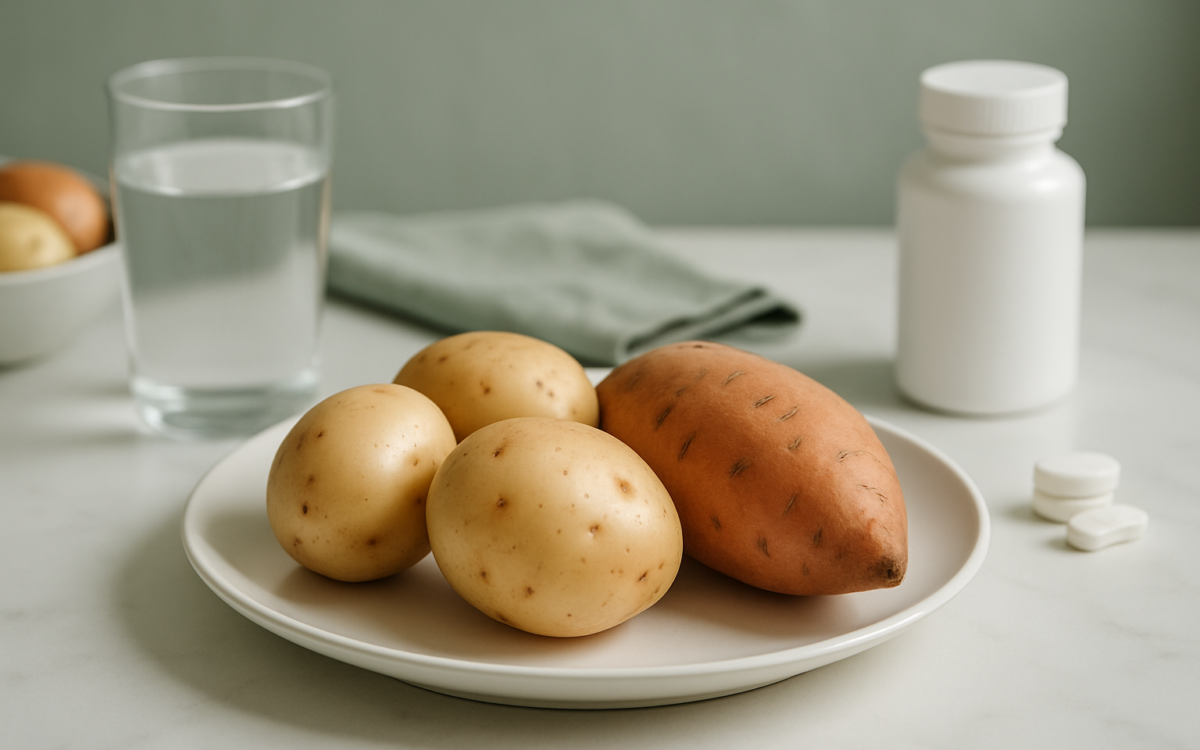
When it comes to humble yet versatile foods, few can rival the potato. Often seen as a staple in various cuisines around the world, potatoes come primarily in two varieties: white and sweet. While both types are commonly enjoyed, they offer different flavors, textures, and health benefits. Understanding these differences can help you make informed culinary choices that benefit your diet and overall well-being.
What’s in a Name? The Difference Between White and Sweet Potatoes
Though they share the name ‘potato,’ white potatoes (Solanum tuberosum) and sweet potatoes (Ipomoea batatas) belong to different botanical families. White potatoes are starchy tubers that tend to have a creamy yellow or white flesh and a smooth, thin skin. They are a staple in many homes, commonly served mashed, baked, or fried.
Sweet potatoes, on the other hand, have a naturally sweeter flavor and are known for their orange, yellow, or even purple flesh. They are frequently roasted or used in desserts. This distinct flavor profile can be attributed to their higher sugar content compared to white potatoes. Both varieties are nutritious, but the differences in their composition affect their culinary uses and health benefits.
Nutritional Comparison: White vs. Sweet Potatoes
When choosing between white potatoes and sweet potatoes, considering their nutritional contents can help you decide which fits better into your diet.
White Potatoes
- Calories: About 130 calories per medium potato
- Carbohydrates: Approximately 30 grams
- Protein: Around 3 grams
- Fat: Less than 1 gram
- Vitamin C: Provides about 30% of the daily recommended intake
- Potassium: Contains about 620 mg, important for heart health
Sweet Potatoes
- Calories: Roughly 100 calories for a medium potato
- Carbohydrates: About 23 grams
- Protein: Around 2 grams
- Fat: Less than 1 gram
- Vitamin A: Provides over 400% of the daily recommended intake
- Fiber: Contains about 4 grams, promoting digestive health
While both types contain carbohydrates that provide energy, sweet potatoes are especially rich in vitamin A, an essential nutrient for eye health and immune function. White potatoes, on the other hand, are higher in potassium and vitamin C, contributing to heart health and immune support.
Culinary Uses: Which Potato to Choose?
Both white and sweet potatoes are incredibly versatile in the kitchen, but their unique flavors and textures can lend themselves better to specific dishes. Here’s how to choose the right one!
White Potatoes
- Mashed Potatoes: Creamy and fluffy, perfect for comfort dishes.
- French Fries: Ideal for frying due to their starchy nature, which crisps up nicely.
- Roasted: When diced and roasted, they become crispy and caramelized.
Sweet Potatoes
- Sweet Potato Pie: A classic dessert that highlights their sweetness.
- Soups and Stews: Their sweetness adds depth to savory dishes.
- Baked: Roasted or baked, they offer a comforting, sweet flavor.
The choice of potato largely depends on your personal taste preferences and the overall profile of the dish you want to create. Using both can bring variety and balance to your meals.
Potential Health Benefits
Both white and sweet potatoes come packed with health benefits, but they cater to different dietary needs and preferences.
Health Benefits of White Potatoes
- Energy Boost: The carbohydrates in white potatoes provide quick energy, great for athletes.
- Gut Health: The fiber content supports digestive health and regularity.
- Rich in Antioxidants: Potatoes contain antioxidants, such as flavonoids, which may help reduce inflammation.
Health Benefits of Sweet Potatoes
- High in Antioxidants: The beta-carotene in sweet potatoes helps improve eye health.
- Blood Sugar Regulation: The fiber helps manage blood sugar levels, making them a better choice for diabetics.
- Inflammation Reduction: Their anthocyanins may help reduce inflammation in the body.
Incorporating either potato into your diet can support your overall health, providing essential nutrients and antioxidants that can help stave off various ailments.
How to Select and Store Your Potatoes
Choosing fresh potatoes can enhance your cooking experience and improve taste. Here’s what to look for:
Selecting White and Sweet Potatoes
- Look for firm potatoes with smooth skins. Avoid those with blemishes or sprouts.
- For sweet potatoes, choose those that are uniform in shape and free from cracks.
Storing Potatoes
- Keep potatoes in a cool, dark place with good ventilation.
- Avoid refrigeration, as it can alter their taste and texture.
- Use within a few weeks for the best flavor and freshness.
When to See a Doctor
If you have specific dietary concerns, gastrointestinal issues, or potential allergies related to potatoes, it is best to consult with your healthcare provider. They can help you make personalized dietary choices that fit your health needs.
In conclusion, white potatoes and sweet potatoes both have their own unique qualities that can cater to different taste preferences and health needs. By understanding their differences, you can make informed decisions about how to incorporate these nutritious foods into your diet. Whether you prefer the creamy texture of white potatoes or the sweetness of sweet potatoes, enjoy the variety they bring to your meals!
