
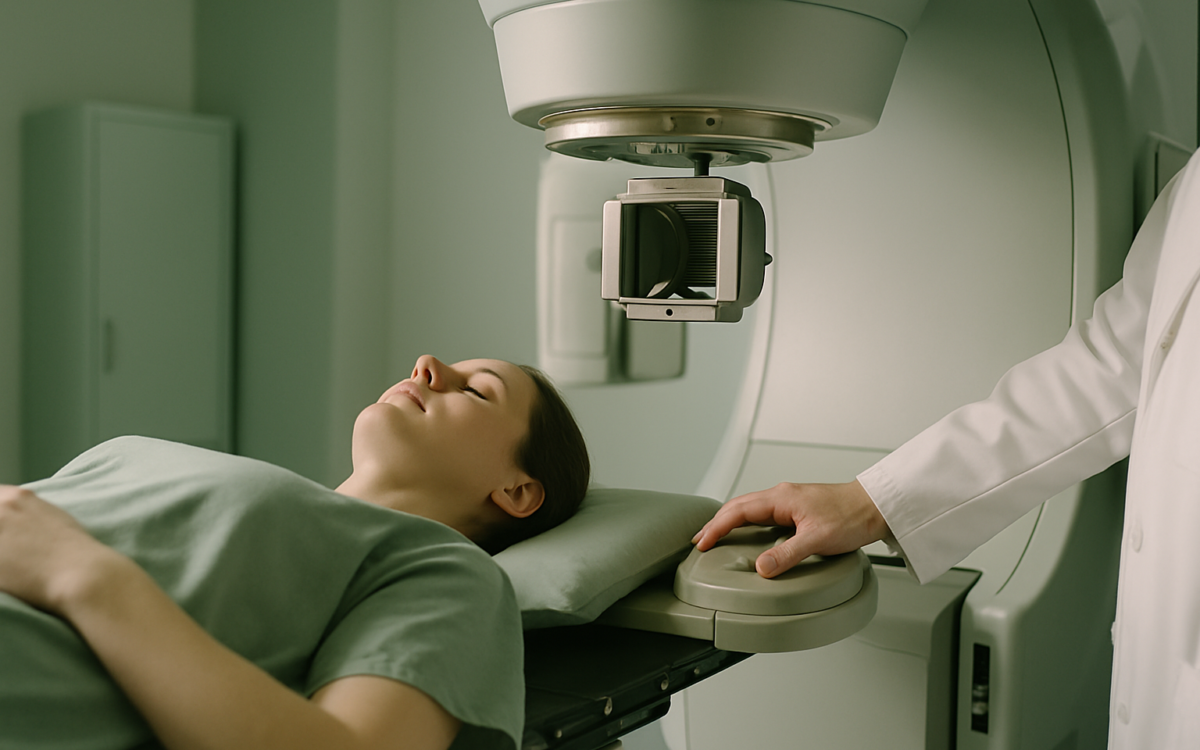
Radiotherapy, often referred to as radiation therapy, is a critical component in the fight against cancer. Using targeted radiation, this treatment aims to kill cancer cells while minimizing damage to surrounding healthy tissue. Understanding how radiotherapy works, its types, benefits, and potential side effects can help you navigate this essential aspect of cancer care.
What is Radiotherapy?
Radiotherapy uses high doses of radiation to attack cancer cells. It is commonly employed to treat various types of cancer, either as a primary treatment or in combination with other therapies like chemotherapy and surgery. The primary goal is to destroy as many cancer cells as possible, and it works by damaging the DNA of these cells, preventing them from dividing and growing.
Types of Radiotherapy
There are mainly two types of radiotherapy used in cancer treatment: external beam radiation therapy (EBRT) and internal radiation therapy (brachytherapy). Understanding these methods will help you make informed choices about your treatment options.
External Beam Radiation Therapy (EBRT)
External beam radiation therapy is the most common form of radiotherapy. In EBRT, a machine called a radiation therapy machine directs high-energy beams of radiation at the tumor from outside the body. This method is generally painless and sessions last only a few minutes.
Brachytherapy
Brachytherapy, on the other hand, involves placing radioactive material directly inside or near the tumor. This method allows for a higher dose of radiation to target the cancer while limiting exposure to nearby healthy tissue. It is often used for cancers of the prostate, cervix, and breast.
How Radiotherapy is Used in Cancer Treatment
Radiotherapy has several roles in the treatment of cancer. It can be used:
- Curative treatment: In some cases, radiotherapy can completely eliminate the cancer.
- Adjuvant therapy: Used after surgery to kill remaining cancer cells.
- Palliative care: To relieve symptoms of advanced cancer, such as pain or pressure.
Each patient’s treatment plan is unique and tailored to their specific needs, meaning a consultation with a radiation oncologist is essential to determine the most effective approach.
Benefits and Considerations
The benefits of radiotherapy are significant, especially when it comes to treating localized cancers. Patients often experience:
- Fewer side effects than traditional chemotherapy
- The ability to preserve surrounding healthy tissue
- A chance to shrink tumors before surgery, making them easier to remove
However, it’s crucial to be aware of potential side effects, which may include fatigue, skin changes, and localized discomfort. These effects vary based on the treatment’s location and the individual’s overall health.
International Treatment Options
For patients seeking advanced cancer care, options are available worldwide that offer state-of-the-art radiotherapy and dedicated oncology teams. Facilities like international patient services can assist with planning your treatment abroad, making it possible for patients to access specialized care that may not be available in their home countries.
When to See a Doctor
Discussing radiotherapy options with your healthcare provider is crucial if you have been diagnosed with cancer. Seek consultation with a radiation oncologist if:
- You are interested in understanding if radiation could be beneficial for your treatment.
- You have questions regarding the side effects or risks associated with radiation therapy.
- Your cancer care team indicates the need for a radiation treatment plan.
Being proactive in discussions about your treatment is essential in managing your health.
Conclusion
Radiotherapy is a powerful tool in the fight against cancer, with both external beam and internal treatment options designed to target and kill cancer cells. With the help of a radiation oncologist, patients can embark on a treatment journey tailored to their unique needs and circumstances. Understanding the benefits, side effects, and when to seek expert guidance can empower you as you navigate your path to recovery.
