
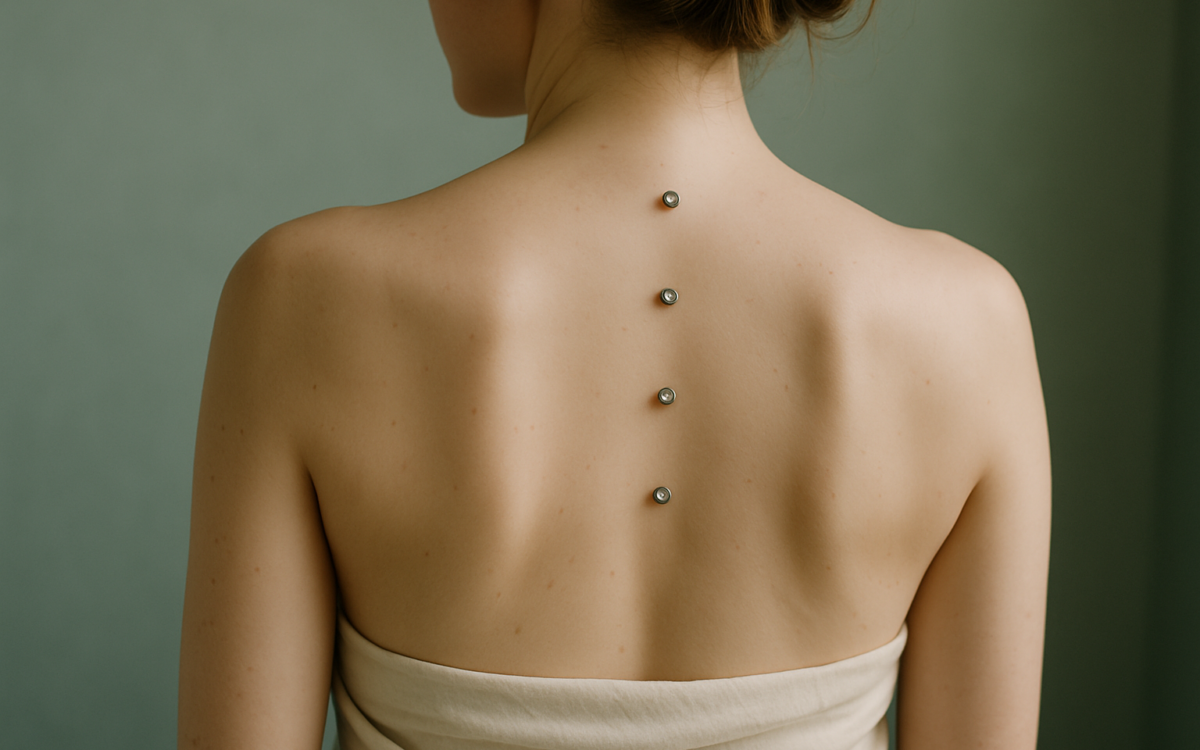
Body art has seen a surge in popularity over the years, and one of the more intriguing forms is the dermal anchor, often placed on the back. These unique piercings are both eye-catching and personalized, allowing individuals to express their style in a distinctive way. Understanding back dermals, including what they are, how to care for them, and potential risks, is essential for anyone considering this body modification.
What are Back Dermals?
Back dermals, or dermal anchors, are a type of body piercing that involves implanting a small anchor under the skin with a decorative element protruding from the surface. Unlike traditional piercings, which pass through a hole, back dermals are designed to sit flush with the skin, making them unique. They can be placed almost anywhere on the body, but the back is a popular choice.
The Procedure: What to Expect
Getting a back dermal involves a few important steps. Here’s a brief overview of the procedure:
- Consultation: Before the procedure, you should have a discussion with your piercer about your expectations and any potential risks.
- Preparation: The area will be cleaned thoroughly, and a sterile anchor will be used.
- Insertion: The piercer will make a small incision to place the anchor beneath the skin. This step requires precision to ensure that the anchor is positioned correctly.
- Aftercare instructions: You will receive guidance on how to care for your new piercing, which is crucial for healing.
While the process may sound daunting, reputable piercers prioritize safety and comfort, often explaining each step as it’s undertaken.
Aftercare: Keeping Your Back Dermal Healthy
Taking proper care of your back dermal is vital for preventing infections and ensuring smooth healing. Here are some essential aftercare tips:
- Clean Regularly: Use mild saline solution or antiseptic recommended by your piercer to clean the area twice a day.
- Avoid Touching: Try not to touch or play with the dermal anchor. This can introduce bacteria and irritate the skin.
- Watch for Irritation: Keep an eye on the area for any signs of redness, swelling, or pus. These could indicate an infection.
- Be Wary of Clothing: Wear loose-fitting clothing to minimize friction at the site.
Following these aftercare practices will not only help in the healing process but also prolong the life of your body art.
Potential Risks and Complications
While back dermals can be an exciting form of self-expression, it’s important to be aware of potential risks involved:
- Infection: Like any piercing, back dermals can become infected if not properly cared for. This underlines the importance of hygiene.
- Rejection: The body may reject the dermal anchor, pushing it towards the surface. If you notice your piercing moving, it’s important to consult with a professional.
- Scarring: There’s a risk of scarring around the area, particularly if the anchor is removed or if there’s an infection.
- Allergic Reactions: Some individuals may have allergies to the materials used in the jewelry. Choosing high-quality metals can help mitigate this risk.
Awareness of these risks is crucial as you decide whether back dermals are right for you.
How to Remove Back Dermals Safely
Eventually, you may decide to remove your back dermal for various reasons. Here’s how to do it safely:
- Consult a Professional: Always seek help from a trained piercer or medical professional for removal. Attempting to do it yourself can lead to complications.
- Follow Their Advice: Professionals will provide specific aftercare instructions post-removal to ensure proper healing.
- Be Patient: The area may take time to heal fully after removal, and you may experience some discomfort.
Taking these steps can assist in preventing unnecessary complications during the removal process.
Personalizing Your Back Dermal
One of the fun aspects of back dermals is the ability to personalize your piercing. You can choose from a variety of decorative tops, ranging from classic gems to unique designs, reflecting your style and personality. Here are a few ideas to consider:
- Gemstones: Bright, colorful stones can add a sparkly element to your back dermal.
- Symbols or Letters: Customized designs can allow for more personal expression.
- Nature-Inspired Designs: Floral or animal motifs might appeal to those who love nature.
Thinking about what resonates with you will help make your back dermal a true reflection of who you are.
When to See a Doctor
If you notice any unusual changes near your back dermal, it’s important to consult a healthcare provider. Signs that warrant a doctor’s visit include:
- Increased redness or swelling
- Discharge that has a foul odor or is green/yellow}
- Severe pain or discomfort
- Skin that feels warm to the touch
Prompt attention can help prevent complications.
In conclusion, back dermals offer a unique way to express individuality but require careful consideration and responsible aftercare. Educating yourself about the procedure, the risks involved, and proper maintenance ensures that your body art remains a source of pride. If you’re thinking about getting a back dermal, take the time to research and consult knowledgeable professionals. Your safety and satisfaction will make your body art experience truly rewarding.
