
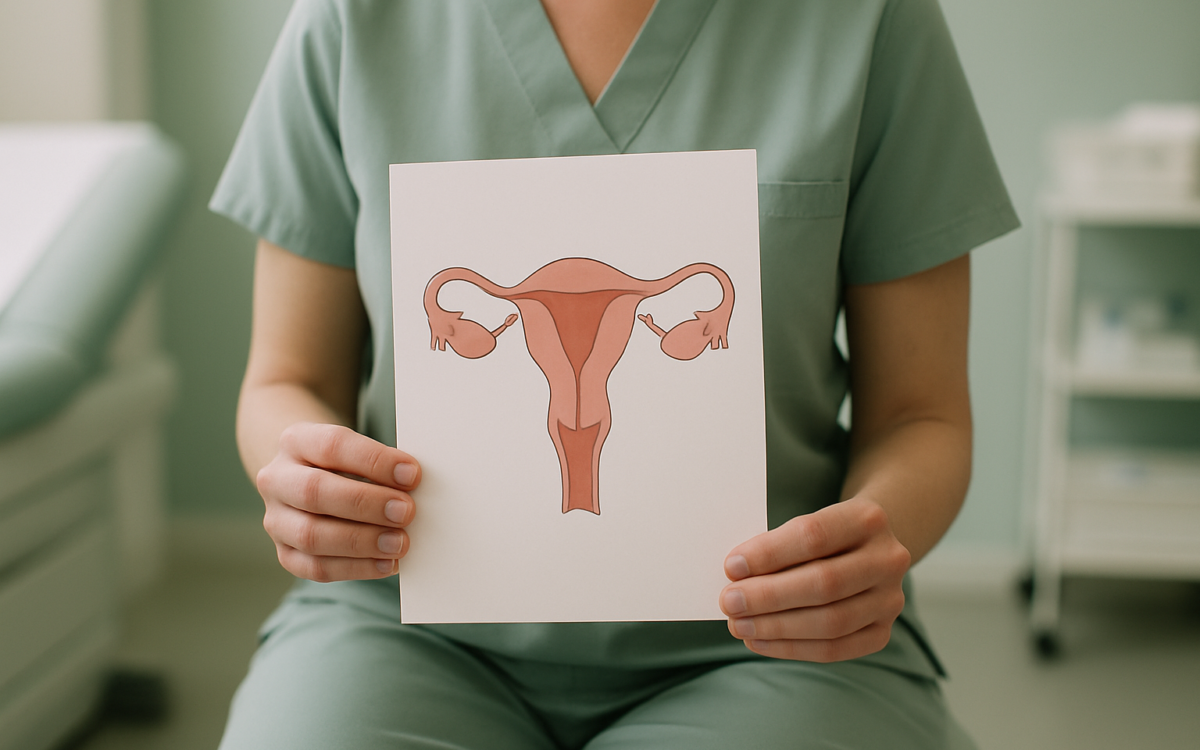
Bilateral salpingectomy is a surgical procedure that involves the removal of both fallopian tubes. While it may sound alarming, it is often performed for various health reasons, including certain medical conditions and, in some cases, as a preventive measure against future health issues. Understanding this procedure helps women and their families make informed decisions about their reproductive health.
What is bilateral salpingectomy?
A bilateral salpingectomy typically involves a laparoscopic or abdominal surgical approach to remove the fallopian tubes. The fallopian tubes are essential structures in the female reproductive system, connecting the ovaries to the uterus. They play a crucial role in the process of conception, allowing eggs and sperm to meet. However, there are circumstances where the removal of these tubes may be necessary or beneficial.
Why is bilateral salpingectomy performed?
There are several reasons why a doctor might recommend a bilateral salpingectomy, some of which include:
- Preventive measure against ovarian cancer: Some women with a strong family history of ovarian or breast cancer may opt for this surgery as a preventive strategy.
- Ectopic pregnancy: If a woman has experienced ectopic pregnancies or is at high risk for them, removing the fallopian tubes may help prevent future complications.
- Tubal ligation: Some women choose to have their fallopian tubes removed instead of having them tied, especially if they are certain they do not wish to conceive in the future.
- Infection or damage: Chronic infections or other conditions may lead healthcare providers to recommend the removal of the tubes if they have been severely damaged.
The procedure: What to expect
Bilateral salpingectomy is typically performed under general anesthesia. The procedure usually takes about 1 to 2 hours, and patients can often go home the same day. Here’s what you can generally expect:
- Preparation: Your healthcare provider will give you specific instructions about eating and drinking before the procedure. You’ll need to arrange for someone to drive you home afterward.
- During the surgery: A laparoscope (a small tube with a camera) will be inserted into a small incision near your belly button. Additional small incisions may be made to allow other instruments to remove the tubes.
- Recovery: Most women can return to their daily activities within a week, but complete healing may take longer. Pain and discomfort are normal after such a procedure.
Potential risks and complications
Like any surgical procedure, bilateral salpingectomy does carry some risks. Potential complications may include:
- Infection: Any surgical procedure carries a risk of infection at the incision site.
- Bleeding: There is a risk of excessive bleeding during or after the surgery.
- Adhesions: Scar tissue may form, leading to complications in future pregnancies.
- Hormonal changes: The procedure can potentially affect hormone levels, which may impact overall reproductive health.
International perspectives on treatment options
For women considering a bilateral salpingectomy for health reasons, there are treatment facilities worldwide that specialize in this surgery and related reproductive health services. For instance, Acibadem International provides advanced surgical options and expert care for patients seeking treatment outside their home countries. Such facilities often offer cutting-edge technology and specialized expertise.
Post-operative care and recovery
After a bilateral salpingectomy, proper post-operative care is crucial for a smooth recovery. Here are some tips to aid healing:
- Follow-up appointments: Attend all scheduled follow-ups with your healthcare provider to monitor your recovery.
- Manage pain: Take prescribed pain medications as needed and discuss any discomfort with your doctor.
- Activity levels: Gradually return to normal activities—avoid strenuous workouts and heavy lifting for at least a few weeks.
- Watch for unusual symptoms: Contact your doctor if you experience severe pain, fever, or unusual bleeding.
When to see a doctor
If you have concerns about your reproductive health or experience symptoms such as severe abdominal pain, heavy bleeding, or other unusual signs after surgery, it’s essential to consult your healthcare provider. Early intervention can often prevent complications and ensure appropriate care.
Bilateral salpingectomy is a significant procedure that can be beneficial for many women. Understanding the reasons for the procedure, what to expect during surgery, and how to care for yourself afterward plays an essential role in managing your health. Always consult with a healthcare professional to discuss your options and determine the best approach based on your individual needs.
