
When you think of bodily fluids, you might first picture blood or saliva. However, there’s another important fluid in your body called serous fluid. Although you may not think about it often, serous fluid plays a crucial role in various bodily functions. In this article, we will explore what serous fluid is, its functions, and the health conditions related to it.
What is serous fluid?
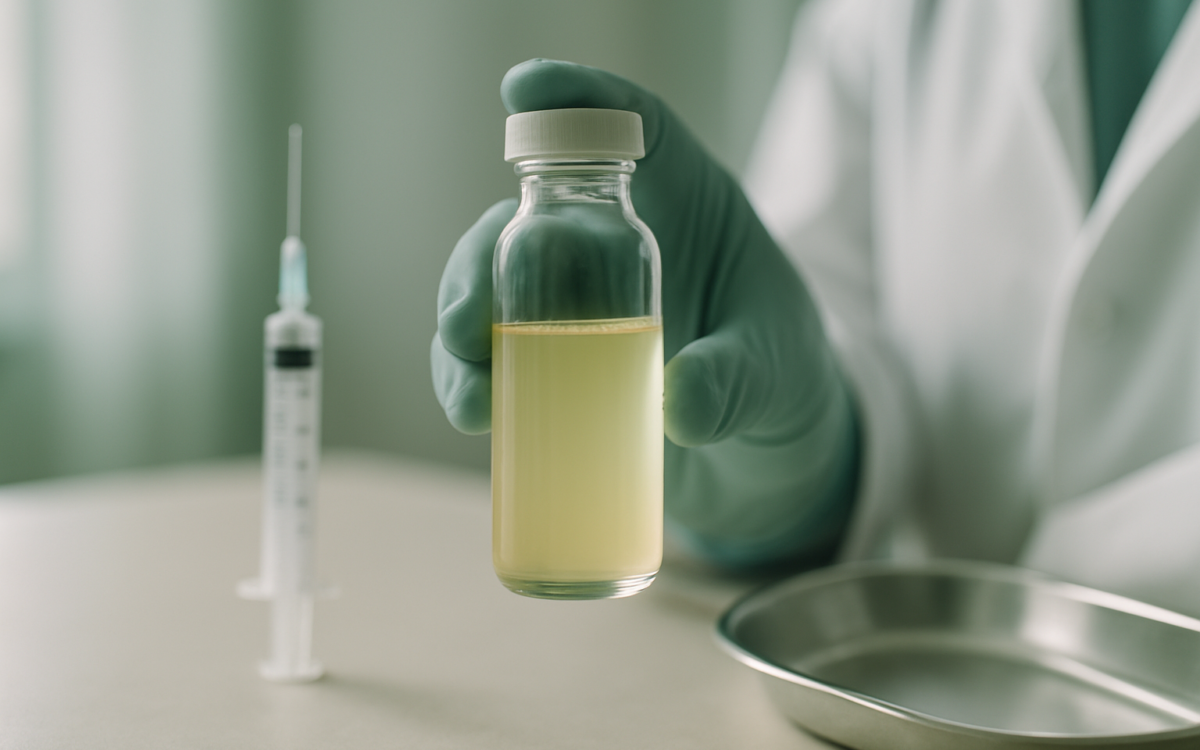
Serous fluid is a clear, pale yellow fluid that is produced by serous membranes in the body. These membranes line various cavities, such as the chest and abdominal cavities, and they also cover certain organs. The fluid helps reduce friction between organs as they move, ensuring that everything operates smoothly.
Where is serous fluid found?
Serous fluid is primarily found in three main areas of the body:
- Pleural cavity: The space between the layers of pleura surrounding the lungs.
- Pericardial cavity: The space between the layers of the pericardium, which surrounds the heart.
- Peritoneal cavity: The space within the abdomen that houses many of your internal organs.
The functions of serous fluid
You might wonder why serous fluid is so important. Here are its main functions:
- Lubrication: The primary role of serous fluid is to reduce friction between moving organs. For instance, it allows the lungs to expand and contract freely without rubbing against surrounding tissues.
- Protection: By serving as a cushion, serous fluid protects organs from injury that could occur due to impacts or movements.
- Support: It helps maintain proper pressure within cavities, supporting the function of the organs housed there.
When is serous fluid problematic?
While serous fluid generally has beneficial functions, problems can arise when there is an imbalance. This can happen in the following ways:
- Excess fluid accumulation: If too much serous fluid builds up, it can lead to conditions like pleural effusion (in the chest), pericardial effusion (around the heart), or ascites (in the abdomen). These conditions can cause discomfort and may indicate underlying health problems.
- Infection or inflammation: In some cases, the serous membranes can become infected or inflamed, leading to conditions such as pericarditis or pleuritis.
- Fluid imbalance: Certain diseases such as liver cirrhosis or heart failure can disrupt the balance of serous fluid, leading to complications.
Health conditions related to serous fluid
Here are some common health issues associated with serous fluid:
- Pleural effusion: This condition occurs when excess fluid accumulates in the pleural space. Symptoms may include shortness of breath, cough, and chest pain.
- Pericardial effusion: This occurs when fluid collects in the pericardial cavity surrounding the heart. Symptoms may include chest discomfort, difficulty breathing, and irregular heartbeats.
- Ascites: This condition involves fluid buildup in the abdominal cavity. It can cause abdominal swelling and discomfort and is often seen in liver disease.
How is the issues with serous fluid diagnosed?
If you have symptoms related to excess serous fluid, your doctor may recommend the following diagnostic tests:
- Imaging tests: X-rays, ultrasounds, or CT scans help visualize any fluid accumulation in the body.
- Fluid analysis: If a large amount of fluid is present, a doctor may perform a procedure called thoracentesis (for pleural effusions) or paracentesis (for ascites). This involves removing some fluid for testing to determine its cause.
When to see a doctor
If you experience symptoms such as persistent shortness of breath, chest pain, or significant abdominal swelling, it is essential to consult a healthcare provider. These symptoms may indicate a buildup of serous fluid that requires further evaluation and treatment.
Conclusion
Serous fluid may not be at the forefront of your mind, but it plays a vital role in the smooth functioning of your body’s organs. Understanding its importance, as well as the health issues that can arise from imbalances, can help you recognize when something might be wrong. Always consult your doctor if you have concerns about your health, especially symptoms related to serous fluid accumulation.
