
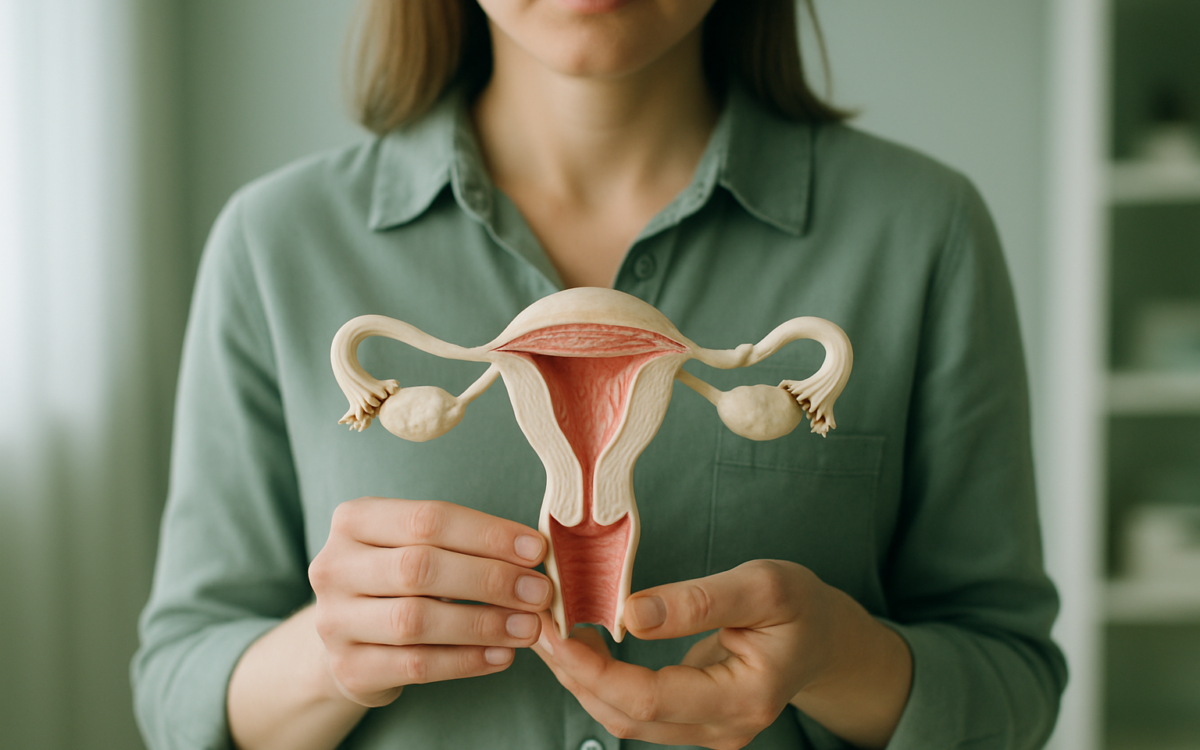
When you think of the prostate, it’s natural to associate it with men. However, the anatomy of human bodies can surprise us. Understanding whether women have a prostate can open doors to important discussions about health and anatomy. In this article, we’ll explore what a prostate is, the differences between male and female reproductive systems, and what this means for women’s health.
What is the Prostate?
The prostate is a small gland located just below the bladder in men. It plays a significant role in the male reproductive system by producing a fluid that nourishes and transports sperm. But when it comes to women, the situation is a bit different.
Do Women Have a Prostate?
The answer is not as straightforward as one might think. While women do not have a prostate gland in the same way men do, they do have tissue that is similar to prostate tissue. This tissue is often referred to as the Skene’s glands or paraurethral glands.
Located near the urethra, Skene’s glands can be involved in sexual function and fluid production. Some researchers argue that these glands are equivalent to a female prostate, as they share similar characteristics, such as secreting fluid that can enhance sexual arousal and may play a role in female ejaculation.
The Role of Skene’s Glands
The Skene’s glands play a crucial role in 女性健康, despite often being overlooked in discussions about female anatomy. Like the prostate gland, these glands can become enlarged or inflamed, leading to health issues. Conditions such as Skene’s gland cysts or infections can impact women’s sexual health and comfort.
Moreover, recent studies have shown that these glands may contribute to certain urinary issues. Understanding this anatomy emphasizes that women’s health involves more than just traditional reproductive organs. Health awareness can facilitate better preventative care and treatment options.
Recent Research
Research related to the Skene’s glands is still emerging, but scientists are recognizing their importance. A study published in the National Institutes of Health discusses how these glands can also be involved in urinary incontinence and sexual dysfunction. Recognizing the similarities in anatomy may help provide insights into improving treatment for these conditions.
Gender Differences in Health Screening
With varying anatomies, health screenings differ for men and women. Men’s health typically focuses on prostate cancer awareness and screenings beginning at age 50. However, women may not receive the same level of attention concerning infections or conditions associated with Skene’s glands.
This gender difference in screening can lead to misunderstandings about health issues that may arise from the underscored relevance of female anatomy, making education essential for women’s health.
Seeking International Perspectives
Health perceptions greatly differ around the world. In some countries, discussions about women’s health, including lesser-known structures like Skene’s glands, have gained attention. For those seeking advanced treatment options or comprehensive education, international healthcare centers like Acibadem International can serve as valuable resources, providing insights and services that consider the latest research and practices in women’s health.
Understanding Health Concerns
Although women don’t have a prostate gland, they can experience similar health concerns linked to prostate issues in men. Women may face urinary problems, infections, or pain in the pelvic region due to complications involving their anatomical counterparts. Therefore, consulting a healthcare provider is essential if discomfort arises.
When to See a Doctor
If you’re experiencing unexplained pelvic pain, frequent urinary infections, or changes in sexual function, consider seeking medical advice. Early intervention can help diagnose any underlying issues related to Skene’s glands or other areas of the female reproductive system.
Conclusion
In summary, while women do not have a prostate in the traditional sense, they do have analogous structures that can affect their health. Understanding these differences not only enriches our knowledge of human anatomy but also emphasizes the importance of focusing on women’s health issues comprehensively. Awareness, education, and early intervention can help in addressing potential health concerns.
