
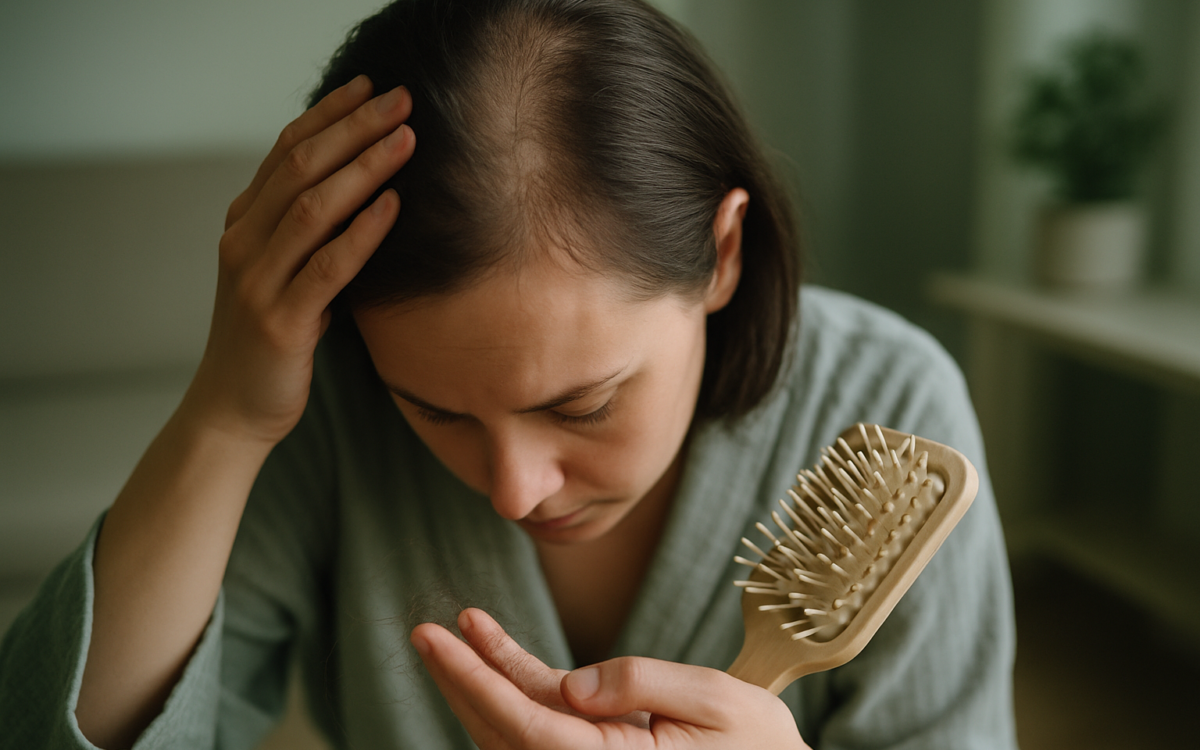
Hair loss is a common concern that affects many people across various age groups. For some, it may be a minor nuisance, while for others, it can lead to significant emotional distress. Understanding the factors that contribute to hair loss, as well as the available treatments, can empower you to manage this issue effectively.
What Causes Hair Loss?
Hair loss can occur for several reasons, ranging from genetics to medical conditions. Here are some of the primary factors:
- Genetic Factors: Androgenic alopecia, or male-pattern baldness, is the most common cause of hair loss in men. This hereditary condition affects millions and usually follows a predictable pattern of thinning on the scalp.
- Hormonal Changes: Fluctuations in hormones, especially around puberty, pregnancy, or menopause, can affect hair growth. Conditions like polycystic ovary syndrome (PCOS) can also lead to hair thinning.
- Medical Conditions: Certain medical issues, such as thyroid disorders, scalp infections, or autoimmune diseases like alopecia areata, can trigger hair loss. Treatments for cancer, such as chemotherapy, can also impact hair growth.
- Nutritional Deficiencies: Lack of essential nutrients like iron, zinc, and proteins can contribute to hair thinning. A balanced diet is crucial for maintaining healthy hair.
- Stress: Physical or emotional stress can lead to temporary hair shedding, a condition known as telogen effluvium. Although it is often reversible, managing stress is important for overall well-being.
Myths About Hair Loss
With so much information circulating about hair loss, it’s easy to be misled. Here are a few common myths debunked:
- Myth 1: Only Older Men Experience Hair Loss: While it is more common as men age, younger men and even women can experience hair thinning.
- Myth 2: Hair Loss Is Caused by Wearing Hats: This myth suggests that hats can suffocate hair follicles, leading to hair loss. In reality, there’s no scientific basis for this claim.
- Myth 3: Shampooing Causes Hair Loss: Shampooing your hair does not cause hair loss when done correctly. In fact, regular washing is essential for maintaining a healthy scalp.
- Myth 4: Hair Loss Is Unavoidable: While genetics play a significant role, there are many factors that can be managed to reduce the risk or slow down hair loss.
Managing Hair Loss
While hair loss can be concerning, there are several strategies to help you manage this issue effectively:
1. Consult a Professional
To start, consult with a healthcare provider or a dermatologist if you’re experiencing significant hair loss. They can help identify the underlying cause and recommend the best course of action.
2. Medications
For some cases of hair loss, medications such as minoxidil (Rogaine) and finasteride (Propecia) are often prescribed. These treatments can help stimulate hair growth or slow down the process of hair loss. It’s vital to discuss the potential benefits and side effects with your doctor before starting any medication.
3. Lifestyle Changes
Adopting a healthy lifestyle can positively influence hair health. Focus on a balanced diet rich in proteins, vitamins, and minerals. Regular exercise can improve blood circulation, which is beneficial for hair follicles.
4. Stress Management
Finding effective ways to manage stress can also promote hair growth. Techniques like yoga, meditation, and deep-breathing exercises can help you maintain emotional well-being and potentially reduce hair shedding.
5. Hair Care Products
Using gentle hair care products can help prevent further hair loss. Avoid harsh chemicals, and opt for natural shampoos and conditioners. Limiting the use of heat styling tools can also protect your hair from damage.
Home Remedies for Thinning Hair
Some people turn to home remedies as a supplement to medical treatment. Here are a few popular options:
- Essential Oils: Oils like lavender and rosemary can promote hair growth when added to your scalp routine.
- Scalp Massage: Massaging the scalp can increase blood flow to the hair follicles, potentially enhancing hair growth.
- Herbal Supplements: Natural ingredients such as saw palmetto and biotin are often touted for their potential hair health benefits.
When to See a Doctor
If you notice sudden or patchy hair loss, or if your hair loss is accompanied by other symptoms like itching, redness, or scalp pain, it’s important to seek medical advice. A professional can help diagnose any underlying conditions and suggest appropriate treatments. The Mayo Clinic offers helpful insights into symptoms and potential treatments to discuss with your doctor.
Conclusion
Hair loss is a complex issue that many face at some point in their lives. Understanding the causes and debunking common myths can alleviate some stress around this condition. Whether you choose to pursue medical treatment or prefer lifestyle changes, taking proactive steps can help you maintain your confidence and promote healthier hair. Remember to consult with a healthcare professional to explore your options and find the approach that works best for you.
