
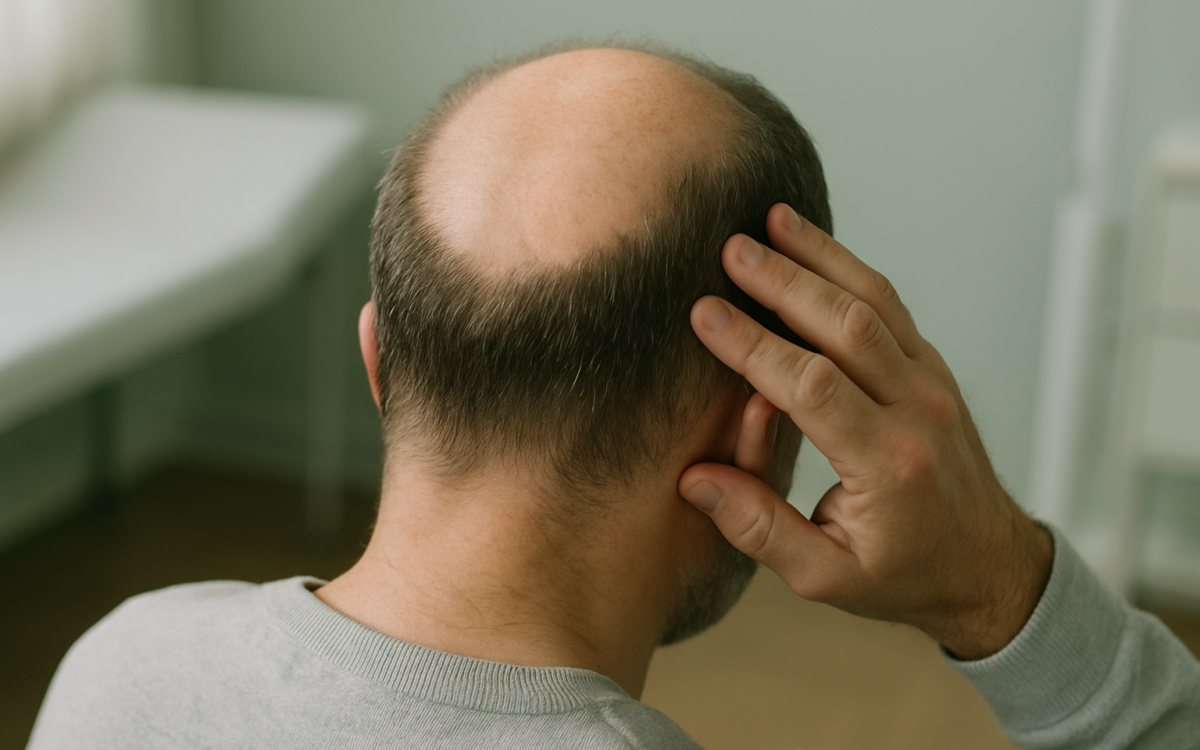
Male pattern baldness, also known as androgenetic alopecia, is a common condition affecting millions of men worldwide. For many, noticing changes in their hair can be a significant and sometimes distressing experience. Understanding the causes of hair loss and exploring treatment options can empower those affected to make informed choices.
What is Male Pattern Baldness?
Male pattern baldness is characterized by a specific pattern of hair loss. It typically starts with a receding hairline and thinning at the crown, eventually leading to partial or complete baldness. This condition can begin as early as a man’s late teens or early twenties and progresses with age.
Causes of Male Pattern Baldness
The primary cause of male pattern baldness is genetics. If you have family members who experienced hair loss, you may be predisposed to it as well. Hormones, particularly dihydrotestosterone (DHT), play a crucial role in hair thinning. DHT is derived from testosterone and affects hair follicles, leading to their gradual shrinkage and eventual cessation of hair production.
Psychological Impact of Hair Loss
The effects of male pattern baldness go beyond the physical changes. Many men experience anxiety, low self-esteem, and even depression due to their hair loss. Society often equates a full head of hair with youth and vitality, making those who lose their hair feel older or less attractive. Acknowledging these feelings is essential for coping with the emotional impact of this condition.
Treatment Options
For those seeking to address hair loss, several treatment options are available:
- Minoxidil: This over-the-counter topical solution can be applied directly to the scalp. It may help stimulate hair growth in some men, particularly when started early.
- Finasteride: This prescription medication works by reducing DHT levels in the body, potentially slowing down hair loss and promoting regrowth.
- Hair Transplants: A more permanent solution involving the relocation of hair follicles from areas with abundant hair to balding spots.
- Low-Level Laser Therapy: This non-invasive treatment uses laser energy to stimulate hair follicles and improve hair density.
Preventive Measures and Lifestyle Changes
While male pattern baldness cannot always be prevented, certain lifestyle choices may promote healthier hair. Eating a balanced diet rich in vitamins and minerals, including biotin, vitamin D, and zinc, can be beneficial. Additionally, avoiding tight hairstyles and minimizing stress can also help maintain hair health.
How to Cope with Hair Loss
Coping with male pattern baldness requires a combination of emotional support and practical strategies. Talking with loved ones, joining support groups, or seeking professional counseling can help address the emotional aspects of hair loss. Some men opt to embrace their baldness as a part of their identity, while others explore different hairstyles or shaving options. Finding the right approach for you is essential.
When to See a Doctor
If you notice sudden changes in hair loss or have concerns about the severity of your condition, consulting a healthcare provider is essential. They can help determine the underlying causes and suggest appropriate treatment options. Mayo Clinic provides resources for those dealing with this condition.
In conclusion, male pattern baldness is a common and complex issue that affects many men. Understanding the causes, impact, and treatment options can help you navigate this challenging experience. Remember, it is okay to seek support and explore the various avenues available to manage hair loss.
