
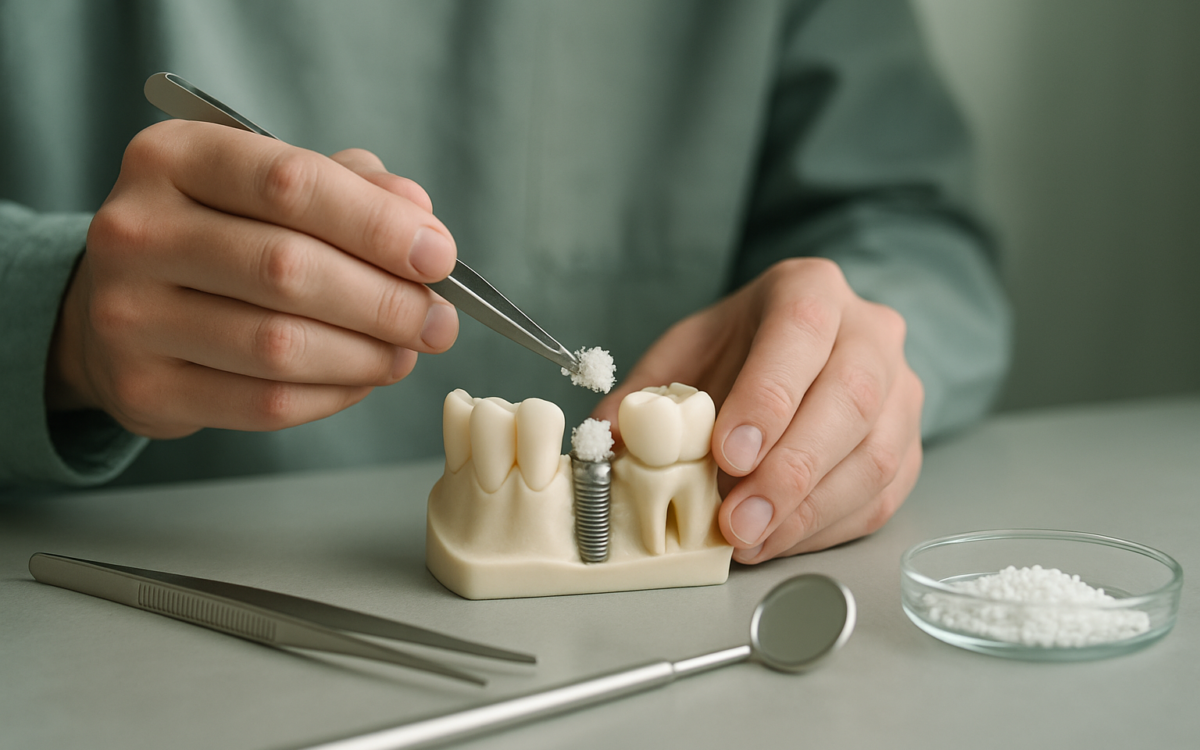
When you lose a tooth, it’s not just a gap in your smile; your jawbone can also suffer. This is where bone grafts come into play, especially when it comes to placing dental implants. Understanding how a bone graft works and why it might be necessary can help you feel more informed and at ease about your dental procedure.
What is a bone graft?
A bone graft is a surgical procedure that involves taking bone from one part of the body and placing it into another area that lacks sufficient bone density. In the context of dental implants, a bone graft is often used to rebuild the jawbone in areas where it has deteriorated due to tooth loss, trauma, or periodontal disease.
Why are bone grafts needed for dental implants?
Dental implants require a certain amount of healthy bone to support them. If a patient has experienced bone loss in the jaw, there may not be enough bone to anchor the implant securely. Here are some reasons bone grafts may be necessary:
- Bone Loss: Loss of bone can occur over time after a tooth is extracted. When a tooth is removed, the jawbone can start to shrink, creating a need for a graft.
- Periodontal Disease: This gum disease can erode the bone surrounding teeth, leading to insufficient bone for implants.
- Trauma or Injury: Accidents can damage the jawbone, necessitating reconstruction before an implant can be placed.
Types of bone grafts
There are several types of bone grafts used in dental procedures, and the choice depends on the patient’s specific needs. Here are some common types:
Autografts
These involve taking bone from the patient’s own body, often from the chin, jaw, or hip. Since this bone is the most compatible with the body, it typically has a higher success rate.
Allografts
Allografts use bone from a deceased donor. This bone is sterile and treated to reduce the risk of disease transmission. It is a good option when an autograft is not possible.
Xenografts
Xenografts are derived from animals, usually bovine, and have been treated for safety. This type is often used when more substantial grafting material is required.
Alloplastic grafts
Alloplastic grafts use synthetic materials to promote bone growth and healing. These materials can stimulate the body to regenerate its own bone, making them a valuable alternative.
The bone graft procedure
The process of receiving a bone graft typically involves several steps:
- Consultation: Your dentist will evaluate your jawbone through X-rays or 3D imaging to determine the extent of bone loss.
- Graft Placement: During the surgery, your dentist will place the graft material in the area needing reconstruction. This procedure can be done under local anesthesia or sedation.
- Healing: After the graft is placed, the healing process can take several weeks to months, during which the graft fuses with the existing bone.
Recovery after a bone graft
After undergoing a bone graft, recovery is crucial for the success of the procedure. Here are some common recovery tips:
- Follow post-operative care instructions from your dentist.
- Eat soft foods and stay hydrated.
- Rest and avoid strenuous activities.
- Attend follow-up appointments to monitor healing.
Most patients experience some swelling and discomfort after the procedure, but these can usually be managed with over-the-counter pain relief or as prescribed by your dentist.
Success rates and complications
Bone grafts for dental implants have a high success rate, especially when performed by a skilled dental professional. According to a review published in the Journal of Oral and Maxillofacial Surgery, success rates can exceed 90%, depending on various factors like the patient’s overall health and adherence to post-operative care.
While complications are rare, they can occur. Potential issues include:
- Infection at the graft site.
- Graft rejection, though this is less common with allografts and xenografts.
- Improper healing, which could require additional procedures.
When to see a doctor
If you’re experiencing prolonged pain, swelling, or signs of infection like fever or pus after a bone graft, it’s important to contact your dentist immediately. They can assess your condition and recommend appropriate treatment.
In conclusion, understanding the role of bone grafts in the implant process can empower you to make informed decisions about your dental health. Whether facing bone loss from injury or decay, proper evaluation and treatment can lead to successful and durable dental implants, restoring both function and confidence in your smile.
