
In today’s fast-paced world, stress seems to be an unwelcome companion for many of us. The demands of work, family, and everyday responsibilities can lead to feeling overwhelmed and exhausted. But it’s essential to take control of stress to maintain our mental and physical health. Fortunately, there are numerous techniques you can incorporate into your daily routine to help reduce stress. Here, we’ll explore some straightforward, effective strategies that can lead to a more relaxed and centered life.
1. Deep Breathing Techniques
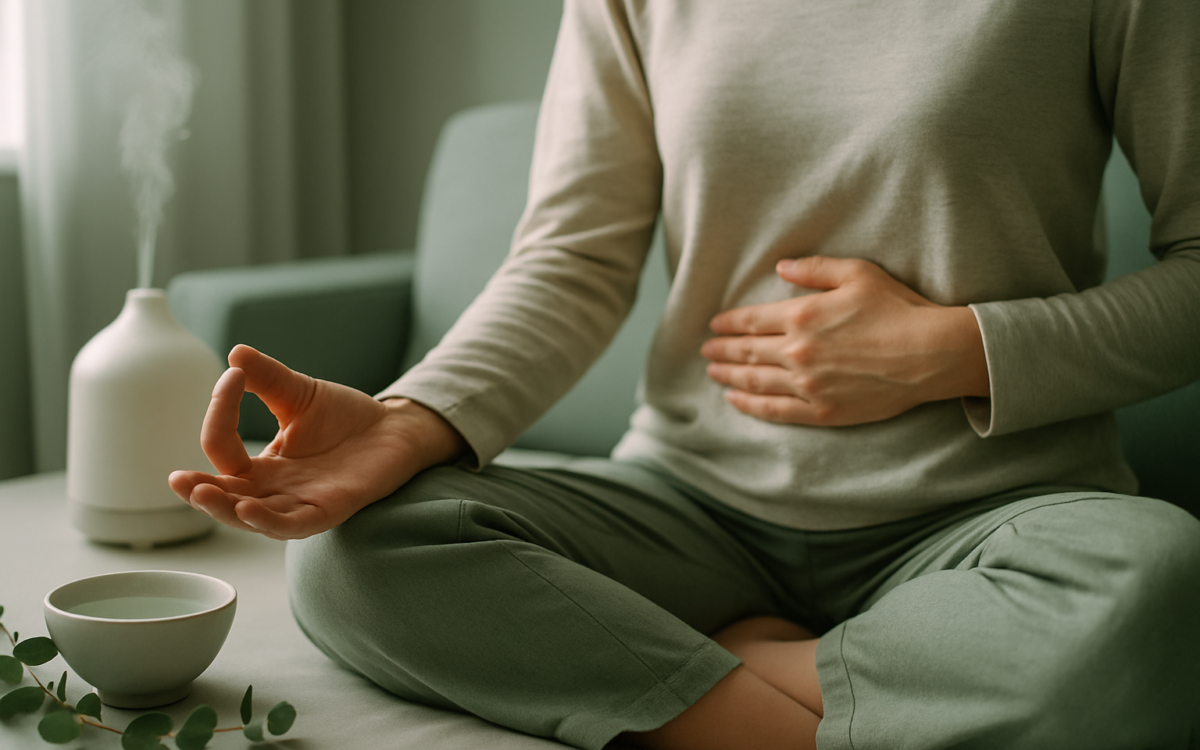
One of the simplest ways to reduce stress is through deep breathing exercises. When we’re stressed, our breathing can become shallow and rapid, exacerbating feelings of anxiety. By practicing deep breathing, we can counteract this physiological response. Here’s how:
- Find a comfortable position—sitting or lying down.
- Close your eyes and take a deep breath in through your nose, allowing your abdomen to expand.
- Hold that breath for a moment, and then exhale slowly through your mouth.
- Repeat this cycle several times, focusing on your breath and the sensations in your body.
Research has shown that deep breathing can help activate the body’s relaxation response, reducing overall stress levels. For more information on the benefits of deep breathing, visit the National Institutes of Health.
2. Mindfulness and Meditation
Mindfulness is the practice of being present in the moment without judgment. Meditation is a more structured practice where you can focus your thoughts and increase your awareness. Both techniques have gained popularity for their stress-reducing benefits. To get started:
- Set aside just a few minutes each day to sit quietly, close your eyes, and focus on your breath.
- Gently bring your mind back if it wanders to worries or distractions.
- You can also use guided meditation apps or videos to help ease you into the practice.
Studies have found that regular mindfulness and meditation practices can reduce stress and improve overall mental health. Check out resources from the World Health Organization for more insights.
3. Physical Activity
Engaging in physical activity is a powerful way to combat stress. Exercise increases the production of endorphins, chemicals in the brain that act as natural painkillers and mood elevators. You don’t need a rigorous training regimen; simple activities can be incredibly beneficial:
- Take a brisk walk in your neighborhood.
- Try a low-impact exercise class like yoga or tai chi.
- Engage in playful activities like dancing or biking.
Aim for at least 30 minutes of moderate exercise most days of the week to help keep your stress at bay. For more on the impact of exercise on stress, visit the Mayo Clinic.
4. Connecting with Nature
Spending time in nature can have a profound effect on your stress levels. Natural settings can help lower cortisol levels (the stress hormone) and improve overall well-being. Here are some ideas to connect with nature:
- Visit a local park or beach.
- Take a hike or nature walk.
- Gardening can also be a rewarding way to connect with the earth while tending to plants.
Studies suggest that even short periods spent in natural environments can enhance mood and reduce feelings of stress. If you want to learn more about the benefits of nature, the National Library of Medicine offers valuable research on this topic.
5. Social Support
Strong social connections can significantly impact our ability to manage stress. Engaging with friends, family, or support groups can provide comfort and perspective. Consider:
- Setting aside time to connect with loved ones, whether in person or over the phone.
- Participating in community events or clubs that interest you.
- Seeking professional support if you feel overwhelmed.
Having a solid support network is integral to emotional health, especially during tough times.
6. Healthy Lifestyle Choices
Making healthy lifestyle choices can also play a vital role in stress management. Here are some tips to consider:
- Maintain a balanced diet rich in fruits, vegetables, whole grains, and lean proteins.
- Avoid excessive caffeine and alcohol, as these can increase anxiety.
- Prioritize sleep by setting a regular sleep schedule and creating a calming bedtime routine.
These lifestyle choices can contribute to a better mood and lower stress levels, laying the foundation for overall wellness.
When to See a Doctor
If stress becomes overwhelming and is interfering with your daily life or mental health, it may be time to consult a healthcare professional. Symptoms like persistent anxiety, depression, or physical symptoms (like headaches or tummy troubles) should be discussed with your doctor. They can provide guidance and support tailored to your needs.
Implementing effective stress reduction techniques into your daily routine doesn’t have to be complicated. By adopting even a few of these strategies, you can create a more peaceful and fulfilling life. Remember, it’s about small, consistent changes that help you handle stress better and enhance your overall well-being.
