
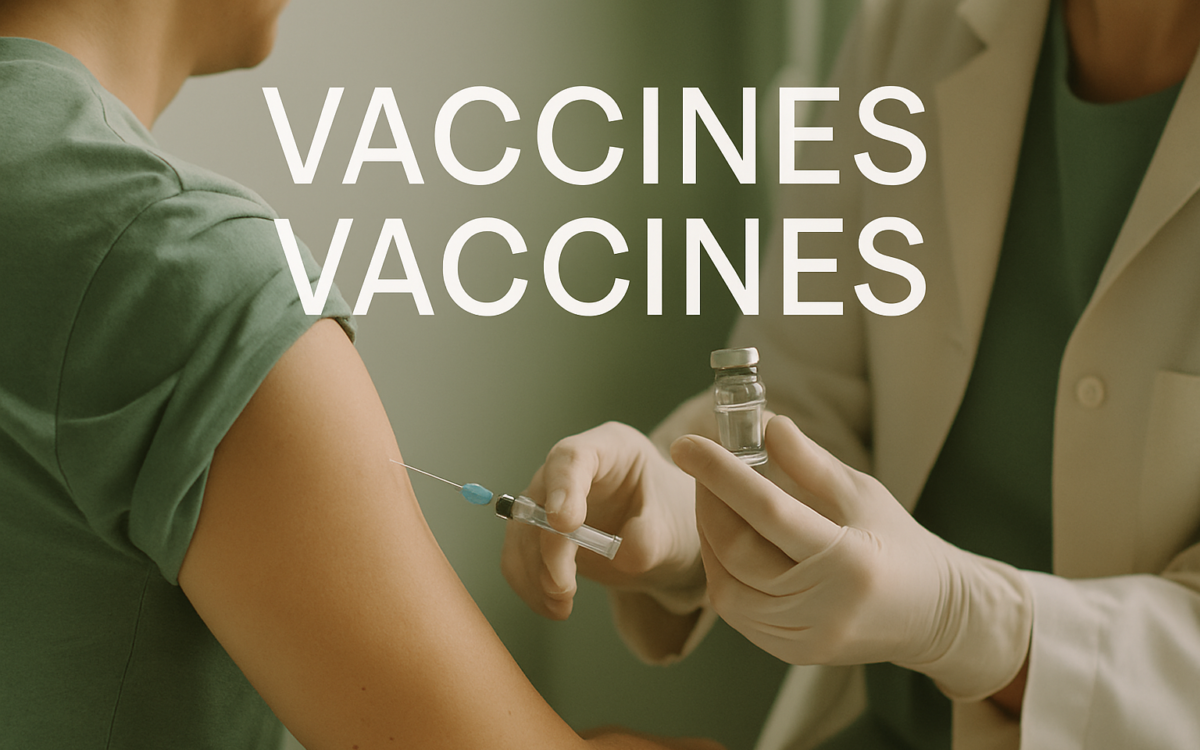
Vaccines have saved millions of lives and continue to play a vital role in public health. They protect us from various infectious diseases, helping to reduce illness and death. Vaccine debates might sometimes create confusion, but understanding their importance is crucial for making informed health decisions.
What Are Vaccines?
Vaccines are substances that stimulate the body’s immune system to recognize and fight specific infections. They contain a weakened or inactive part of a germ (antigen) that triggers an immune response without causing the disease itself. From the moment vaccines enter the body, they prepare your immune system to combat future infections, keeping you healthier in the long run.
Types of Vaccines
There are several types of vaccines, each designed to protect against different diseases:
- Live-attenuated vaccines: These vaccines contain a weakened form of the germ that causes the disease. Examples include the measles, mumps, and rubella (MMR) vaccine.
- Inactivated vaccines: These use killed pathogens to provoke an immune response. Polio and hepatitis A vaccines fall into this category.
- Subunit vaccines: These contain parts of the germ instead of the whole germ. The human papillomavirus (HPV) vaccine is a notable example.
- Toxoid vaccines: These contain toxins produced by the germ, which have been made harmless. The diphtheria and tetanus vaccines are common toxoid vaccines.
Why Vaccines Matter
Vaccines are essential not only for the health of individuals but also for the well-being of communities as a whole. Here’s why they matter:
- Disease Prevention: Vaccines prevent outbreaks of diseases that can be harmful or even deadly. The Centers for Disease Control and Prevention (CDC) states that vaccines have led to the near-eradication of diseases like polio in the U.S. (CDC).
- Herd Immunity: When a significant portion of the population is vaccinated, it reduces the overall spread of disease. This protects those who cannot be vaccinated, such as infants or individuals with certain medical conditions.
- Cost-Effective: Vaccination is often more affordable than treating diseases. Preventing sickness not only saves lives but also reduces healthcare costs.
Vaccination Schedules for Different Age Groups
Vaccination schedules vary depending on age, health conditions, and travel plans. Here’s a brief overview:
Children
Children are typically vaccinated in their first few years of life against diseases such as measles, mumps, rubella, hepatitis B, and chickenpox. Keeping on schedule with childhood vaccinations is crucial for their health and the health of others.
Teens and Young Adults
Many vaccines are recommended for adolescents, including the HPV vaccine and boosters for activities like college, where exposure to peers is high. Staying up to date is important during this transitional life phase.
Adults
Adults should remain vigilant about vaccinations. Recommendations for adults may include the seasonal flu shot, the Tdap booster, and vaccines for diseases like shingles or pneumonia.
Common Concerns about Vaccines
Despite their proven safety and efficacy, some people have concerns about vaccines. Here are a few common ones:
- Safety: Vaccines undergo rigorous testing before approval. They are continuously monitored for safety. According to the World Health Organization (WHO), vaccines are among the safest medical products available. You can learn more about vaccine safety on their website (WHO).
- Side Effects: Some individuals may experience mild side effects such as soreness at the injection site or a low-grade fever. Serious side effects are extremely rare.
- Myths: Common myths, such as the false belief that vaccines cause autism, have been debunked by extensive research. It’s essential to rely on credible sources for information.
Communication with Healthcare Providers
Having an open dialogue with your healthcare provider about vaccination is vital. Here are some tips:
- Ask questions. If you have concerns about a specific vaccine, discuss them with your doctor.
- Stay informed. Bring any updates or new research findings to your appointments.
- Discuss your medical history. Certain conditions might impact which vaccines are recommended for you.
When to See a Doctor
If you or your child experiences concerning symptoms after vaccination, such as a high fever, difficulty breathing, or persistent crying, contact your doctor. They can help determine if you need further evaluation.
Conclusion
Vaccines play a crucial role in maintaining public health. Not only do they provide individual protection, but they also contribute to the wellbeing of communities by preventing disease outbreaks. By staying informed and consulting healthcare professionals, you can make the best decisions regarding vaccinations for you and your family.
