
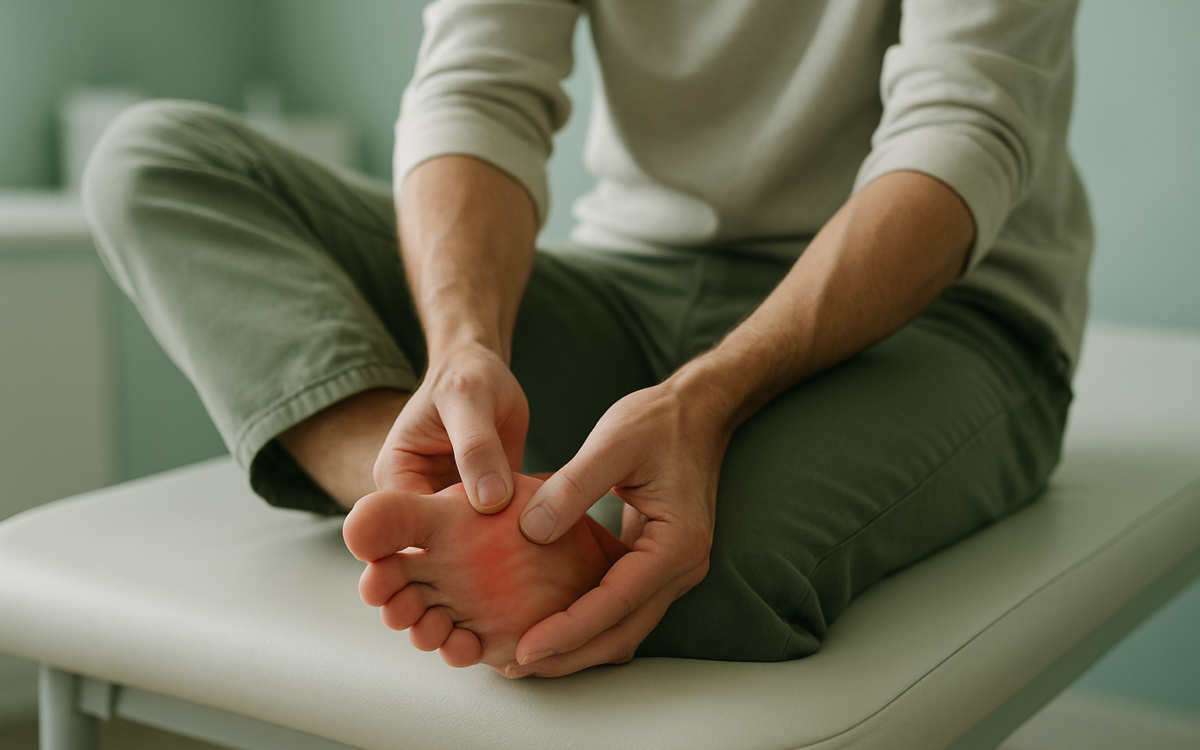
Foot cramps can sneak up on you, stopping you in your tracks and leaving you wondering what just happened. These sudden muscle contractions, often painful, can affect anyone. While they may occasionally be linked to mild dehydration or overexertion, understanding foot cramps’ underlying causes is essential for effective management and prevention.
What Are Foot Cramps?
Foot cramps occur when muscles in your foot involuntarily tighten. They can last from a few seconds to several minutes and may be accompanied by a burning sensation or mild pain. Common areas for foot cramps include the arch, heel, and toes.
Common Causes of Foot Cramps
While the exact causes of foot cramps can vary from person to person, several factors are commonly associated with these uncomfortable episodes:
- Dehydration: Insufficient water intake can lead to muscle cramps. Staying hydrated is essential, especially during exercise or hot weather.
- Electrolyte Imbalance: Low levels of potassium, calcium, or magnesium can affect muscle function. Consuming a balanced diet rich in these electrolytes is crucial.
- Overexertion: Engaging in intense physical activities without proper warm-up can stress your muscles. Gradually increasing your activity level can help.
- Positioning: Sitting or standing in one position for too long can lead to cramping. Regularly changing your position can relieve muscle tension.
- Medical Conditions: Certain conditions, such as diabetes or nerve disorders, may increase your risk of experiencing cramps.
Prevention Strategies
Preventing foot cramps involves a combination of lifestyle changes and self-care techniques. Below are some strategies that may help:
- Stay Hydrated: Drink plenty of fluids throughout the day. Water is essential, but sports drinks with electrolytes can also help, particularly during exercise.
- Balanced Diet: Incorporate foods rich in essential minerals. Fruits like bananas (potassium) and dairy products (calcium) are excellent choices.
- Stretching: Regularly stretch your feet and calf muscles. Simple stretches before and after exercise can help maintain muscle flexibility.
- Footwear: Wear supportive shoes that fit well. Poorly fitting shoes can put undue stress on your feet.
- Warm-Up and Cool Down: Always warm up before physical activities and cool down afterward to prevent sudden muscle contractions.
Home Remedies for Foot Cramps
If you experience a foot cramp, there are several home remedies you can try to relieve the discomfort:
- Gentle Stretching: Pull your toes toward you or stretch the affected muscle to ease the cramp.
- Massage: Gently rubbing the cramped area can help relieve tension.
- Cold or Heat Therapy: Applying a warm towel or an ice pack can help soothe cramping muscles.
- Stay Active: Move around or gently walk if you feel a cramp coming on to encourage blood flow.
When to Seek Medical Attention
Generally, foot cramps aren’t a cause for concern. However, certain circumstances warrant a visit to your healthcare provider. You should consult a doctor if:
- Cramps are frequent or severe.
- They are accompanied by swelling, redness, or other unusual symptoms.
- You have underlying health conditions that may be affecting your leg health.
International Perspectives on Treatment
For individuals seeking comprehensive treatments for foot cramps, seeking options beyond local solutions may be beneficial. Countries like Turkey offer various health services, including foot care and cramp management, that can be accessed through treatment in Turkey. Traveling for health reasons not only provides potential solutions but also allows for a unique cultural experience.
Conclusion
Foot cramps, while common, can be managed through simple lifestyle changes and home remedies. By understanding their causes and implementing preventative measures, you can minimize their occurrence and impact on your daily life. Always consult a healthcare professional if you have concerns about persistent or painful cramps.
