
Cooking pork can be a delightful culinary adventure, offering a variety of dishes from savory roasts to juicy chops. However, like any meat, pork requires careful handling and precise cooking to ensure both safety and flavor. Understanding the appropriate cooking temperatures for pork is essential for preventing foodborne illness while still enjoying delicious recipes.
Why Cooking Temperature Matters
Safe cooking temperatures are crucial for two main reasons: flavor and safety. Cooking pork to the right temperature not only enhances its taste and texture but also helps to eliminate harmful bacteria, such as Salmonella and E. coli. These bacteria can lead to foodborne illnesses, which can cause symptoms ranging from mild stomach discomfort to severe gastrointestinal distress.
The Centers for Disease Control and Prevention (CDC) emphasizes that improper cooking is a common cause of foodborne illness. By paying attention to cooking temperatures, you can safeguard yourself and your loved ones.
Recommended Cooking Temperatures for Pork
According to the United States Department of Agriculture (USDA), the correct internal temperature for cooking pork is crucial. Here are the guidelines:
- Pork Loin and Chops: Cook to an internal temperature of 145°F (63°C) and let it rest for three minutes before slicing. This allows the juices to redistribute, leading to a moister presentation.
- Pork Shoulder or Boston Butt: This cut, often used for pulled pork, should be cooked to at least 195°F (90°C) for optimal shredding.
- Pork Ribs: For tender and juicy ribs, aim for an internal temperature of 190°F (88°C), where collagen breaks down for the best texture.
These temperatures ensure that any harmful pathogens are destroyed, while still keeping your pork flavorful.
Checking for Doneness
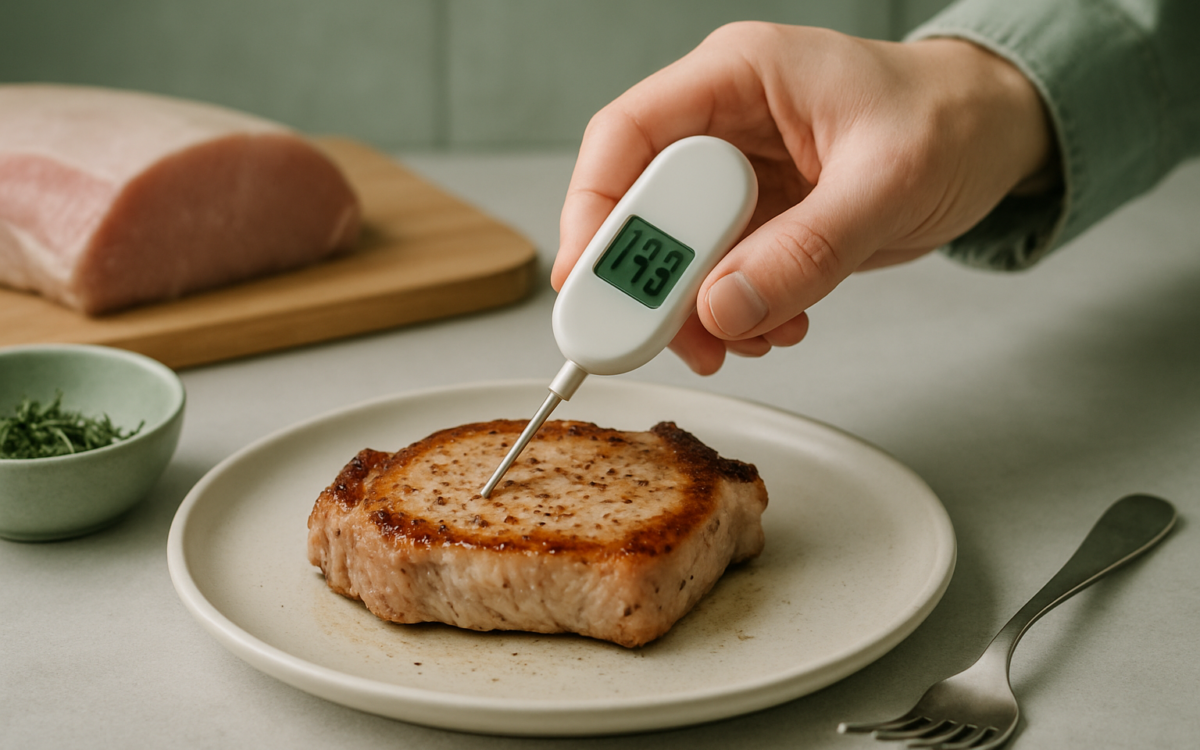
Using a meat thermometer is the best way to check if your pork is cooked properly. Insert the thermometer into the thickest part of the meat without touching bone or fat, which can give an inaccurate reading. Here’s how to use it:
- Make sure the thermometer is clean before use.
- Insert it horizontally into the center of the meat.
- Wait a few seconds for an accurate reading.
If you don’t have a meat thermometer, you can also check the color of the meat. Properly cooked pork should be pale pink and firm. However, relying solely on color can be misleading, so it’s best to use a thermometer for results you can trust.
Resting Periods and Their Importance
Once your pork reaches the recommended cooking temperature, it’s essential to let it rest before cutting into it. Resting allows the juices to redistribute throughout the meat, resulting in a juicier and more flavorful dish. For most cuts, aim for a resting time of at least three minutes. This period helps improve the overall texture and taste of your pork.
Common Myths About Pork Cooking
There are many misconceptions about cooking pork that can lead to improperly prepared dishes. Here are a few to set straight:
- Myth: Pork must be cooked until it’s completely white: Many people believe pork should be cooked to a dry white. However, pork can remain pink and still be safe to eat, thanks to modern farming practices.
- Myth: Always cook pork to well done: Cooking pork to 160°F (71°C) will render it well done, but cooking it to 145°F (63°C) is not only safe but also deliciously tender.
Understanding these myths helps you enjoy pork at its best while ensuring safety.
Storage and Reheating Tips
Safe handling of pork continues after cooking. Make sure to store leftovers within two hours of cooking. Here are some storage guidelines:
- Place leftover pork in shallow containers to cool quickly and store them in the refrigerator.
- Leftover pork should be eaten within three to four days or frozen for long-term storage.
When reheating pork, ensure it reaches an internal temperature of 165°F (74°C) to eliminate any bacteria that may have developed during cooling. Using a meat thermometer here is also advisable to ensure the reheated meat is safe.
When to See a Doctor
If you suspect that you or someone you know has contracted a foodborne illness from consuming improperly cooked pork, it’s advisable to consult a doctor. Symptoms to watch for include severe stomach cramps, diarrhea, fever, or vomiting, which might require medical attention.
Conclusion
Cooking pork safely is both an art and a science. By understanding the correct cooking temperatures and practicing safe handling, you can ensure your dishes are both delicious and safe to eat. So whether you’re grilling, roasting, or braising, keep these guidelines in mind, and enjoy the versatile world of pork cuisine!
