
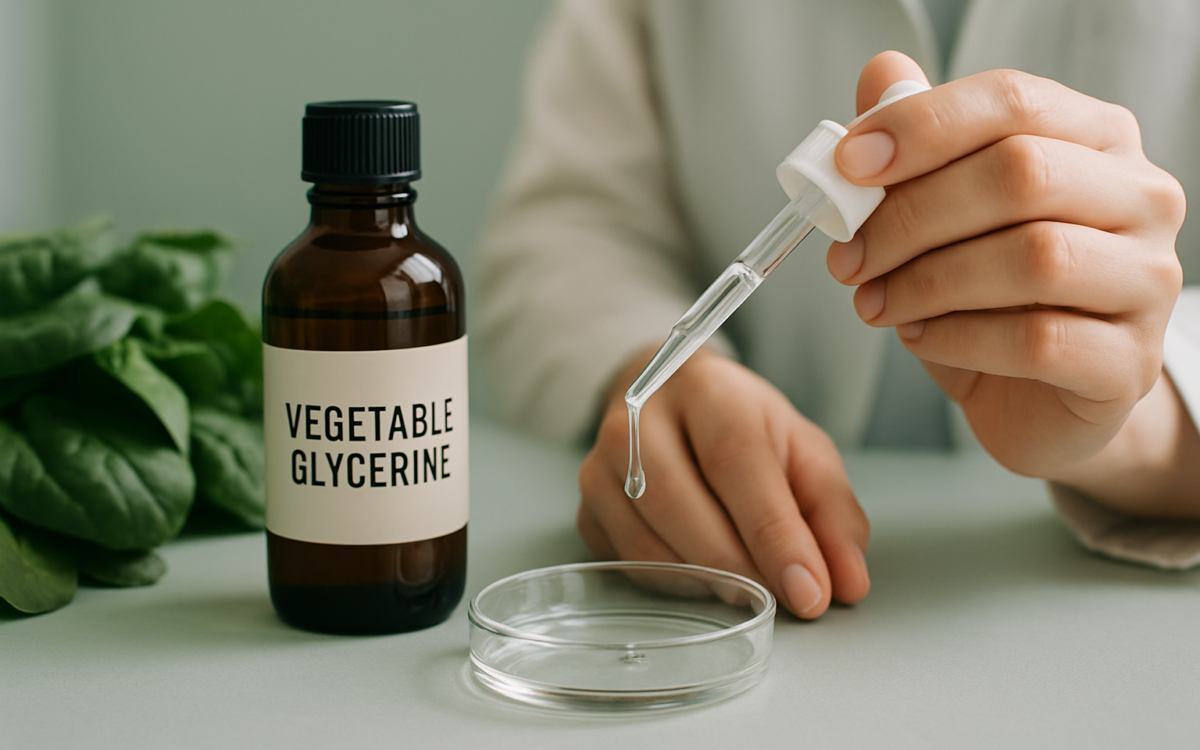
Vegetable glycerine, often called glycerol, is a sweet, syrupy substance derived from plants. Commonly used in various industries, including food, cosmetics, and pharmaceuticals, vegetable glycerine has gained popularity not just for its practical applications but also for its potential health benefits. While it’s mainly known as a moisturizer in skincare products, its uses extend far beyond that. Let’s explore what vegetable glycerine is, how it works, and the various ways it can benefit your health and well-being.
What is Vegetable Glycerine?
Vegetable glycerine is a type of sugar alcohol that is derived from the fats of plants, most often from palm, soy, or coconut oils. It is clear, odorless, and possesses a sweet taste. Due to its properties, it is a common ingredient in many products you may already use, including food, beauty products, and medicines. Because it’s considered safe for consumption, it’s a popular alternative to synthetic chemicals in various formulations.
Uses in Skincare
One of the most popular uses of vegetable glycerine is in skincare. The substance acts as a humectant, meaning it attracts moisture from the air into the skin. This makes it an excellent choice for hydrating dry, sensitive, or aging skin. Here are a few ways it’s commonly used in skincare:
- Moisturizers: When included in lotions and creams, vegetable glycerine helps lock in moisture, promoting a plump, healthy appearance.
- Soaps and Cleansers: Many natural soaps and facial cleansers contain vegetable glycerine to ensure they are gentle on the skin while still cleansing effectively.
- Toners and Masks: Glycerine can be found in various facial toners and masks, helping to hydrate the skin after cleansing.
However, while vegetable glycerine is generally safe for most people, individuals with oily or acne-prone skin should consult a dermatologist before incorporating it into their routine.
Digestive Health Benefits
Another exciting aspect of vegetable glycerine is its potential benefits for digestive health. It has been shown to have mild laxative effects, which can help relieve constipation. Some people use it as a natural remedy for digestive issues. Here are some benefits:
- Laxative Properties: Glycerine is often used in suppositories for its ability to help stimulate bowel movements.
- Soothing Irritation: Its lubricating effect can help soothe irritation in the digestive tract, making it a gentle remedy for those suffering from conditions like gastritis.
- May Support Gut Health: By encouraging regularity, vegetable glycerine can also contribute to better overall gut health.
Before using vegetable glycerine as a digestive aid, it’s wise to consult a healthcare professional to ensure it’s appropriate for your specific situation.
Food and Beverage Applications
In the food industry, vegetable glycerine is used for various purposes. As a sweetener, it’s often found in sugar-free products and can enhance flavors. Here are some common applications in food and beverages:
- Sweetener: It adds sweetness without the calories associated with sugar, making it popular in low-calorie and sugar-free foods.
- Moisture Retention: Glycerine helps retain moisture in baked goods, making them softer and fresher for longer.
- Preservative: Thanks to its effective moisture-retaining properties, it’s also used as a preservative in various products.
Since vegetable glycerine is safe for consumption, it is often viewed as a healthier alternative to artificial sweeteners or preservatives.
Potential Health Benefits
Beyond its applications in beauty and food, vinegar glycerine may have potential health benefits worth noting:
- Antioxidant Properties: Some studies suggest that vegetable glycerine may possess antioxidant properties, which could help protect cells from damage caused by free radicals.
- Hydration: Its ability to attract moisture makes it beneficial not just for skin but also for overall hydration in the body.
- Potential Anti-Inflammatory Effects: Some research indicates it may help reduce inflammation in the body, though more research is needed in this area.
While these benefits are promising, they should be viewed with caution, and more research is necessary to fully understand the extent of these effects.
Safety and Side Effects
Vegetable glycerine is generally recognized as safe by various health organizations. However, like any substance, it’s essential to use it wisely and consider the following:
- Allergies: Though rare, some individuals may experience allergic reactions. It’s wise to conduct a patch test when using it in skincare products for the first time.
- Digestive Discomfort: Overconsumption can lead to digestive issues, including diarrhea, especially if taken in large doses.
- Interactions with Medications: If taking medications, consult a healthcare provider, as glycerine can interact with certain drugs.
As with any ingredient used for health or skincare, moderation is key.
When to See a Doctor
If you experience any adverse reactions after using vegetable glycerine, such as persistent skin irritation or digestive issues, it’s essential to consult a healthcare professional. If you plan to use it for specific health purposes, such as helping with digestion, it’s wise to speak with your doctor first to gain personalized insights relevant to your health status.
In conclusion, vegetable glycerine is a versatile compound with numerous applications ranging from skincare to digestive health benefits. Its safety, combined with its effectiveness, makes it a popular choice for those seeking natural alternatives. Whether you want to improve your beauty routine or enhance your diet, vegetable glycerine could be a valuable addition. As always, consult your healthcare provider to ensure it’s a suitable option for your unique health needs.
