
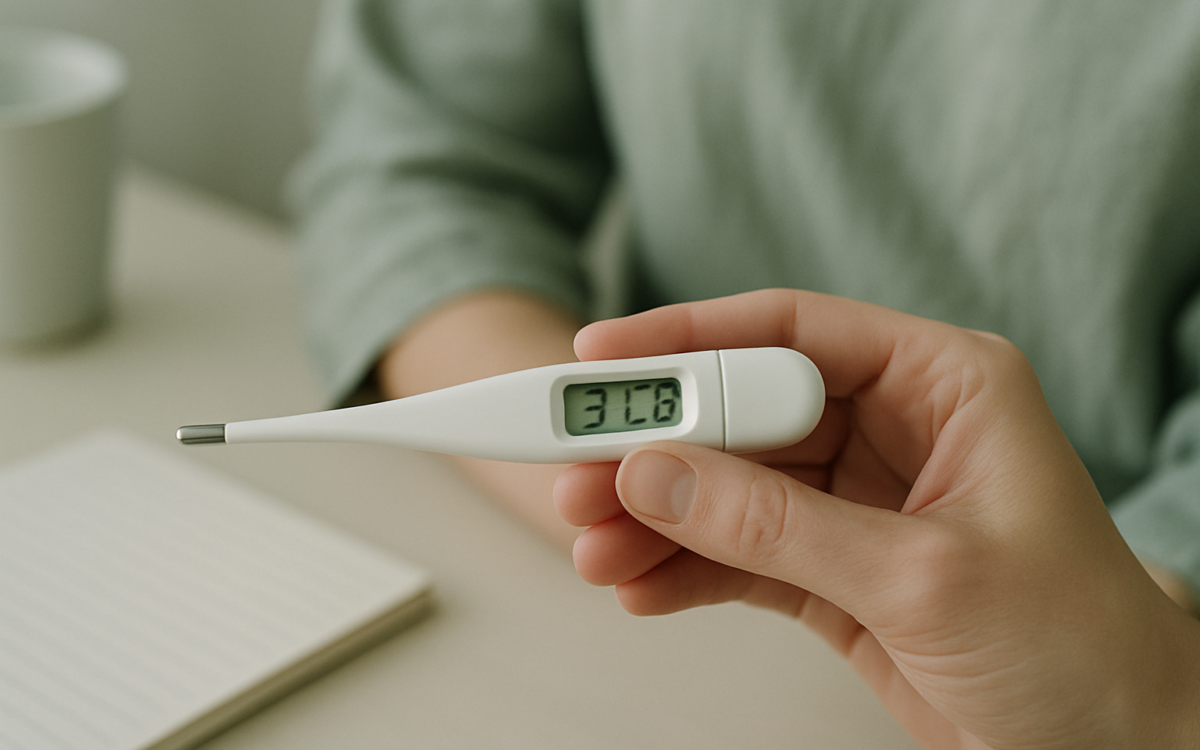
Temperature is a vital sign that helps assess health and well-being. When determining someone’s body temperature, many people might find themselves needing to convert between Celsius and Fahrenheit. A common number that often comes up is 37.1°C. In this article, we will discuss the conversion process, why it matters, and what different temperature ranges indicate for our health.
Understanding Temperature Scales
Temperature is measured using different scales, the most common being Celsius (°C) and Fahrenheit (°F). Celsius is the metric system’s standard and is widely used throughout the world, while Fahrenheit is primarily used in the United States. Understanding both temperature scales can help you navigate health discussions effectively.
Converting 37.1°C to Fahrenheit
To convert Celsius to Fahrenheit, you can use a simple formula:
- F = (C × 9/5) + 32
Plugging in the value of 37.1°C:
- F = (37.1 × 9/5) + 32
- F = (66.78) + 32
- F = 98.78°F
So, 37.1°C is approximately 98.8°F. This temperature is generally considered within the normal range of body temperature.
Normal Body Temperature Range
The average normal body temperature is around 37°C (98.6°F), but it can vary among individuals and at different times of the day. The normal range is typically between 36.1°C (97°F) and 37.2°C (99°F). Understanding where 37.1°C falls within this spectrum can help in evaluating health conditions.
What Does 37.1°C Indicate?
A body temperature of 37.1°C can be viewed as a sign of health in most circumstances. Here’s what can be inferred from a normal temperature:
- Healthy State: Generally, if a person’s temperature is around 37.1°C, they are typically in good health.
- During Illness: If a person has a fever, their body temperature usually exceeds 38°C (100.4°F). Therefore, 37.1°C would not indicate a fever.
- Time of Day Influence: Body temperature can be influenced by the time of day, activity level, and even individual metabolic rates.
For more information on body temperature norms, you can refer to resources like the NIH and CDC.
When Should You Be Concerned About Temperature?
While 37.1°C is typically not a cause for concern, there are instances when body temperature readings warrant attention. Here are some key points to keep in mind:
- Fever: If your temperature rises to 38°C (100.4°F) or above, it is generally classified as a fever. This could indicate an infection or other medical condition.
- Hypothermia: Conversely, a body temperature below 35°C (95°F) can indicate hypothermia, a serious condition requiring immediate medical attention.
- Chronic Conditions: Individuals with chronic health issues should closely monitor their body temperature, as changes can be indicative of underlying problems.
Always be mindful of how you feel in relation to your temperature and consult your healthcare provider if you notice any concerning changes.
When to See a Doctor
If you or someone you know has a body temperature significantly higher than normal (above 38°C or 100.4°F) or lower than 35°C (95°F), it is important to consult a healthcare professional. Additionally, seek medical advice if:
- Accompanying symptoms such as chills, persistent cough, or confusion arise.
- A fever persists for more than three days.
- Low body temperature is accompanied by other alarming symptoms.
It’s always better to err on the side of caution when it comes to health. For more detailed information, consider resources from the World Health Organization.
Conclusion
Understanding how to convert temperatures from Celsius to Fahrenheit, like 37.1°C to 98.8°F, not only helps in applying health information effectively but also assists us in staying healthy. Regularly monitoring body temperature can be a helpful practice in assessing our well-being. Remember, if you’re ever in doubt about how your body is feeling, don’t hesitate to consult your doctor for personalized guidance.
