
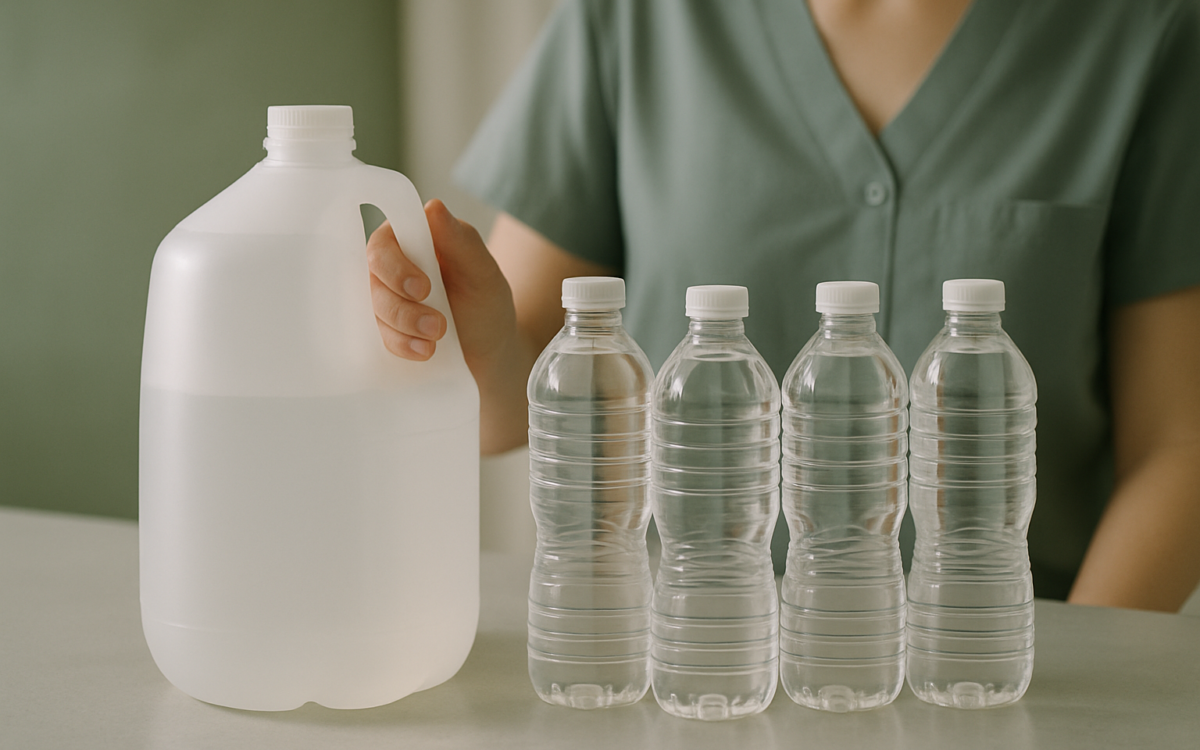
Ever find yourself looking at a gallon of water and wondering just how many water bottles it contains? You’re not alone! Many people ask this question, especially those who are trying to stay hydrated throughout the day. Understanding the conversion between gallons and bottles can help you track your daily intake of water more effectively. Let’s dive into the details!
What is a gallon?
A gallon is a unit of measurement commonly used in the United States to quantify liquids. There are two types of gallons: the US gallon and the imperial gallon used in the UK. The US gallon is defined as approximately 3.785 liters. This measurement is crucial to know if you’re calculating how many standard water bottles fit into a gallon.
Standard water bottle sizes
Water bottles come in various sizes, but the most common are:
- 12 fluid ounces (fl oz)
- 16.9 fluid ounces (also known as half a liter)
- 20 fluid ounces
- 24 fluid ounces
Knowing the size of your water bottle is essential for converting gallons into bottles. For most day-to-day activities, 16.9 fl oz bottles are the standard for bottled water.
How many water bottles is a gallon?
Now, let’s do the math!
If you’re using a standard 16.9 fl oz bottle:
1 gallon = 128 fl oz
So, when you divide 128 fl oz by 16.9 fl oz, you get:
128 fl oz ÷ 16.9 fl oz ≈ 7.57
This means that it takes about 7.5 standard-sized water bottles to make a gallon. If you want to be exact, you would need 8 bottles to hold a full gallon, considering you’ll have some water left in the last bottle.
Different sizes, different calculations
Now, let’s look at how many bottles you would need if you use different sizes:
- For a 12 fl oz bottle:
128 fl oz ÷ 12 fl oz ≈ 10.67 (about 11 bottles) - For a 20 fl oz bottle:
128 fl oz ÷ 20 fl oz = 6.4 (about 6 or 7 bottles) - For a 24 fl oz bottle:
128 fl oz ÷ 24 fl oz ≈ 5.33 (about 5 or 6 bottles)
By knowing your bottle size, you can easily determine how many it takes to reach a gallon!
Staying hydrated is essential
Understanding measurements can help you maintain proper hydration. The general recommendation for daily water intake is about 8 cups, or around 2 liters. However, individual needs can vary based on factors like climate, activity level, and overall health. Keeping track of how many water bottles you drink can help you stay within these guidelines and ensure you’re hydrating enough throughout the day.
Other tips for tracking water intake
Aside from measuring using bottles, consider these tips:
- Use a reusable water bottle: Invest in a bottle that has measurements printed on the side. This way, you can easily understand how much you’ve consumed.
- Create reminders: Set alarms or use a hydration app to remind you to drink water throughout the day.
- Flavor it up: If plain water isn’t appealing, try adding fruits or herbs for a burst of flavor without adding too many calories.
When to see a doctor
If you find that you are not feeling well or are experiencing unusual symptoms relating to hydration—such as extreme thirst, dark urine, dizziness, or confusion—it’s best to consult a healthcare provider. They can offer personalized advice based on your health needs.
Conclusion
Understanding how many water bottles make a gallon can be a simple yet impactful way to keep track of your hydration. Whether it’s for physical activity or general well-being, staying hydrated is key to maintaining good health. Remember to listen to your body and adjust your intake based on your individual needs. Cheers to a healthier you!
