
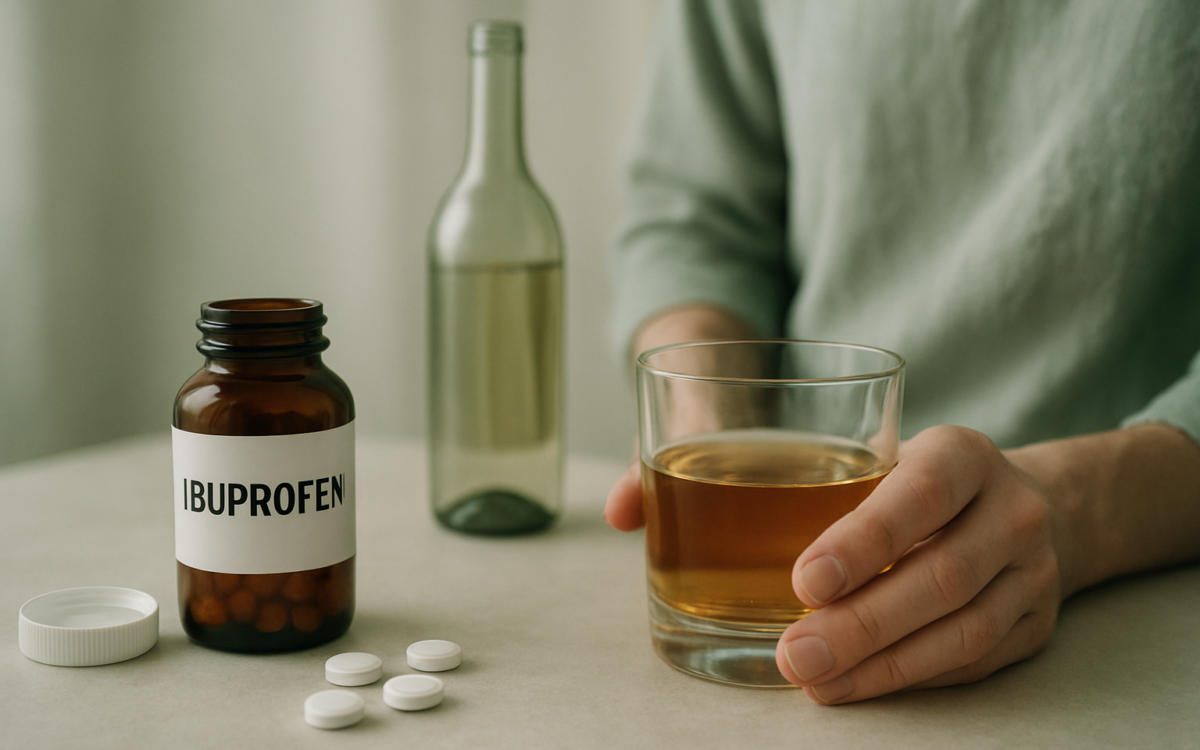
Many people use ibuprofen for pain relief, whether it’s for a headache, muscle soreness, or even a fever. But what happens when you add alcohol to the mix? This is a topic worth exploring, as the combination of medication and alcohol can lead to various consequences for your health.
What is ibuprofen?
Ibuprofen is a nonsteroidal anti-inflammatory drug (NSAID) commonly used to reduce inflammation, pain, and fever. Available over-the-counter, ibuprofen is often taken to alleviate discomfort associated with conditions such as arthritis, menstrual cramps, and minor injuries. While it can be effective in managing pain, understanding its interaction with other substances, like alcohol, is crucial.
The effects of alcohol on the body
Alcohol, a widely consumed beverage, affects the body in numerous ways. It acts as a depressant, influencing the central nervous system and altering mood, coordination, and reaction time. Moderate drinking may have some health benefits for certain individuals, but excessive consumption can lead to serious health issues, including liver damage, heart problems, and addiction.
Ibuprofen and alcohol: What the research says
The guidelines on mixing ibuprofen and alcohol can be confusing. Some sources suggest that mild to moderate drinking is generally acceptable when taking ibuprofen, while others caution against it. Research has shown varying results, with some studies indicating that consuming alcohol while taking ibuprofen may increase the risk of gastrointestinal bleeding and liver problems.
According to the National Institutes of Health (NIH), the combination of NSAIDs and alcohol can lead to risks for the stomach and intestines. Regularly combining these substances can exacerbate the potential for ulcers and bleeding, especially in individuals with a prior history of gastrointestinal issues.
How alcohol impacts ibuprofen’s effectiveness
While there’s limited evidence directly linking alcohol to decreased effectiveness of ibuprofen, heavy drinking may impair the body’s ability to process medications. This can affect how well ibuprofen works when you need it the most. Furthermore, mixing the two can increase feelings of dizziness or drowsiness, making it dangerous if you need to drive or operate machinery.
Safe consumption practices
If you find yourself reaching for ibuprofen to manage pain, consider your alcohol consumption as well. Here are some pointers to keep in mind:
- Moderate your intake: If you plan to drink alcohol, limit yourself to moderate amounts. This typically means up to one drink per day for women and up to two drinks per day for men.
- Timing matters: Take ibuprofen after the alcohol has cleared from your system, if possible. This change in timing can help mitigate some of the risks associated with mixing the two.
- Be aware of individual risks: Everyone’s body is different. Individual factors like age, medical history, and overall health can influence how ibuprofen and alcohol interact in your system.
- Consult healthcare providers: Always speak with a doctor or pharmacist before combining any medication with alcohol.
When to see a doctor
If you experience persistent pain or have questions about pain management, it’s a good idea to consult a healthcare professional. Additionally, if you notice adverse reactions after consuming ibuprofen and alcohol together, seek medical advice promptly. Symptoms might include severe stomach pain, nausea, vomiting blood, or black stools, all of which warrant immediate attention.
Conclusion
Understanding the implications of mixing ibuprofen and alcohol is essential for your health. While occasional use may not lead to significant issues for everyone, the risks increase with heavier drinking and ongoing ibuprofen use. Always prioritize your well-being and consult with your healthcare provider to ensure you’re making safe choices for pain management.
