
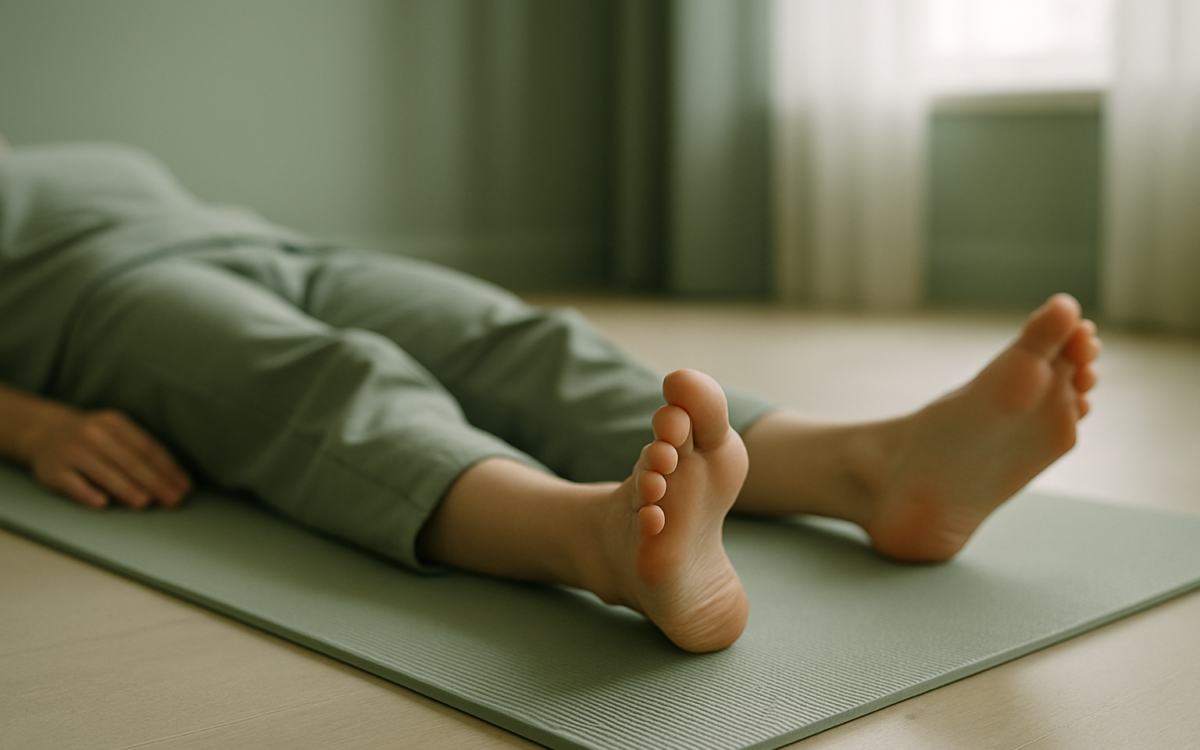
Choosing the right surface for exercising can make a significant difference in your fitness experience and safety. One common option is the mat ground, which is often used in various physical activities—from yoga and pilates to MMA and functional training. Understanding how to select and utilize mat ground appropriately can enhance your workouts while minimizing the risk of injury.
What is Mat Ground?
Mat ground refers to surfaces covered with mats designed to provide cushioning, grip, and support during physical activities. These mats can be made from a variety of materials, including rubber, foam, or vinyl, and can vary in thickness and density. The primary goal of using a mat ground is to create a safe, stable area where individuals can perform exercises or activities without the risk of slipping or falling.
The Benefits of Using Mat Ground
The use of mat ground offers several advantages for individuals engaging in fitness activities. Here are some key benefits:
- Dampening Impact: Mat ground helps absorb impact, reducing the stress on joints during activities like jumping or running.
- Enhanced Grip: Many mats come with textured surfaces that provide better traction, minimizing the risk of slipping while moving.
- Comfort and Support: A cushioned surface offers support for exercises that require lying down or kneeling, making workouts more comfortable.
- Noise Reduction: Mats can help lessen noise and vibrations, making workout environments more pleasant, especially in shared spaces.
Choosing the Right Mat for Your Activity
When selecting a mat for your workouts, consider the following factors:
Material
The material of a mat can significantly affect its performance. For instance, rubber mats are durable and provide excellent grip, making them ideal for high-impact activities. Foam mats are softer and often used in practices like yoga or pilates, where comfort is key.
Thickness and Density
Choose the thickness of the mat based on your activities. Thicker mats (about 0.5 to 1 inch) are generally better for activities involving floor work, while thinner mats (around 1/4 inch) may suffice for light stretching or balance exercises.
Surface Texture
A textured surface can provide better traction, which is essential for activities requiring stability, like martial arts and aerobics, where sliding could lead to injuries.
Safe Practices While Using Mat Ground
To ensure a safe experience when using mat ground, consider these safety practices:
Inspect the Mat
Before each workout, take a moment to inspect your mat for any signs of wear or damage. A mat that is too worn out can be slippery and may not provide adequate cushioning.
Keep Your Space Clean
Regularly clean your mat according to the manufacturer’s instructions to remove sweat, dirt, and oils that can make the surface slippery. Use recommended cleaners that won’t degrade the material.
Choose Appropriate Footwear
Your choice of footwear can impact your grip on the mat. Depending on the activity, you might want to wear shoes designed for good traction, or you may prefer working out barefoot for added stability.
Common Injuries Related to Mat Ground Usage
Even with safety practices in place, injuries can still occur while exercising on mat ground. Here are a few common injuries:
- Sprains and Strains: Overexertion or improper movement patterns can lead to sprains or strains, particularly in the ankles and wrists.
- Surface-Related Injuries: Slipping on a worn or dirty mat can result in falls that may lead to bruises or fractures.
- Joint Pain: Performing high-impact workouts on inadequate mats may exacerbate joint pain, particularly in the knees and hips.
When to See a Doctor
If you experience persistent pain or discomfort while exercising on mat ground, it is essential to consult with a healthcare professional. Additionally, if you sustain an injury that results in swelling, bruising, or inability to weight-bear, seek medical attention promptly. Early intervention can help prevent long-term issues and ensure a safe return to your fitness routine.
Conclusion
Mat ground surfaces play a vital role in creating a safe and effective workout environment. By understanding the benefits, selecting the appropriate mat, and practicing safety measures, you can enhance your fitness experience while minimizing the risk of injury. As with any physical activity, listen to your body, and don’t hesitate to seek professional advice when needed.
