
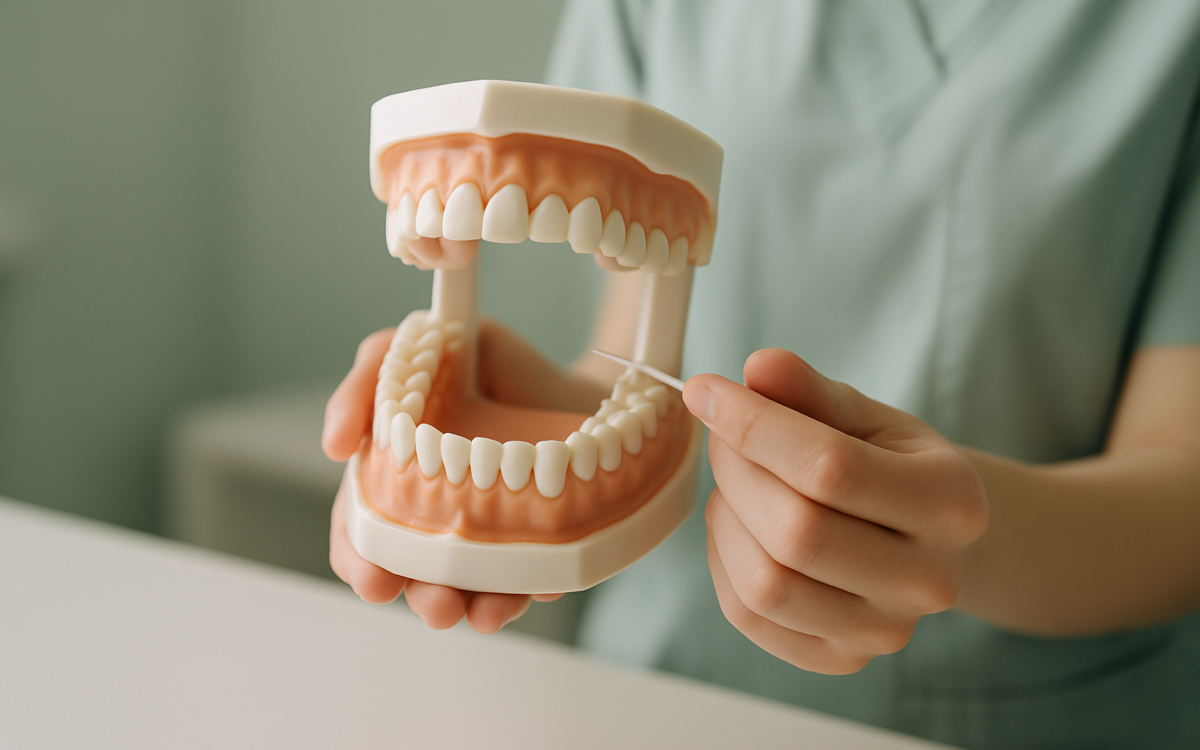
Have you ever wondered how many teeth we actually have? For many, this might seem like a simple question. However, the answer varies significantly depending on age, dental health, and individual circumstances. Our teeth play a crucial role in our daily lives, from biting into food to helping articulate words. In this article, we’ll explore how many teeth humans normally have, what factors influence this number, and when you should consider seeking dental advice.
The typical number of teeth in adults
For most adults, the total number of teeth is 32. This includes:
- 8 incisors (the front teeth),
- 4 canines (the pointed teeth next to the incisors),
- 8 premolars (the flat-topped teeth behind the canines), and
- 12 molars (the back teeth, which include 4 wisdom teeth).
The molars are essential for grinding food, while incisors help in cutting. Wisdom teeth, which usually emerge in late adolescence or early adulthood, often cause problems and may need to be removed.
How many teeth do children have?
Children have a different set of teeth known as primary teeth, or baby teeth. Typically, children have 20 primary teeth. This includes:
- 8 incisors,
- 4 canines, and
- 8 molars.
These teeth begin to emerge around six months of age and usually complete their set by age three. As children grow, these baby teeth will gradually be replaced by adult teeth, starting around the age of six. It’s a natural process that most parents anticipate.
The process of losing and gaining teeth
The transition from primary teeth to adult teeth is fascinating. Children usually lose their baby teeth in a specific order, starting with the incisors. By the age of 12 or 13, most children will have a complete set of 28 adult teeth (excluding wisdom teeth). The wisdom teeth may not fully emerge until the late teens or early twenties, which can lead to dental issues for some individuals.
Variations in tooth count
While 32 teeth is typical for adults, variations do occur. Factors that can affect the number of teeth in adults include:
- Genetics: Some people may be born with supernumerary teeth (extra teeth) or have congenitally missing teeth.
- Dental health: Tooth decay, gum disease, or trauma can lead to tooth loss.
- Wisdom teeth extraction: Many individuals have their wisdom teeth surgically removed, further reducing their total tooth count.
These variations highlight the importance of regular dental check-ups to keep track of your oral health and tooth count. If you think you might be affected by any of these issues, or if you’re considering your dental options abroad, you might want to research facilities like Acibadem International, which offer comprehensive dental care.
Dental health and the importance of taking care of your teeth
Each tooth plays a vital role in your overall health, making it crucial to maintain a good oral hygiene routine. Here are some tips to keep your teeth healthy:
- Brush your teeth at least twice a day with fluoride toothpaste.
- Floss daily to remove food particles and plaque from between teeth.
- Limit sugary and acidic foods that can contribute to tooth decay.
- Visit your dentist regularly for professional cleanings and check-ups.
Good dental care can help prevent issues that lead to tooth loss and ensure you maintain a healthy number of teeth throughout your life.
When to see a doctor
If you notice any changes in your teeth, such as pain, swelling, or mobility, it’s a good idea to consult your dentist. They can offer advice and treatment options tailored to your specific needs. Early intervention can often prevent more significant problems later on.
Understanding how many teeth we have and the health of our smiles is essential for overall well-being. By maintaining good oral hygiene and having regular dental visits, we can keep our teeth healthy for a lifetime. Whether you’re a parent guiding your child through their dental milestones or an adult managing your own dental health, knowing what to expect can make the journey smoother.
